Are Nootropics Safe? The Complete Evidence-Based Safety Guide
⚕️ Educational Information, Not Medical Advice
This article reflects independent research and personal experimentation, not clinical guidance. I’m a cognitive enhancement researcher, not a medical doctor or pharmacist. Supplements can interact with prescription medications and are not appropriate for everyone. If you take any medication, have a liver, kidney, heart or psychiatric condition, are pregnant or breastfeeding, or are under 18, speak with a qualified healthcare provider before taking any nootropic. Nothing here should be used to delay or replace medical care.
Are Nootropics Safe? An Honest Assessment of the Actual Risks
By Peter Benson, Cognitive Enhancement Researcher | 18+ Years Independent Research · Last Updated: July 2026
Most articles answering this question fall into one of two camps: breathless reassurance from people selling something, or blanket alarm from people who’ve never looked at the evidence. Neither is useful. After 18+ years of researching and personally testing cognitive enhancement compounds, my honest answer is that the question is badly framed — because “nootropics” isn’t a single category with a single safety profile. It ranges from caffeine to unapproved pharmaceuticals sold in capsules, and treating those as one thing is precisely how people get hurt.
This article separates the genuine risks from the imagined ones. It covers how supplements are actually regulated, why product quality is a bigger danger than any individual herb, which compounds carry real documented harms, and who shouldn’t be self-experimenting at all. It’s part of our Nootropics & Supplements guide. I’ll say plainly where I think the risk is overstated, and equally plainly where it isn’t — including about compounds I take myself.
What “supplement” actually means legally
Understanding the regulatory position isn’t legal trivia — it’s the single most important safety fact, because it explains why everything else on this page matters. Under the Dietary Supplement Health and Education Act of 1994, the FDA is not authorised to approve dietary supplements for safety or effectiveness before they are marketed. Manufacturers are responsible for ensuring their own products are safe, and in many cases a company can lawfully bring a supplement to market without even notifying the FDA (FDA).
The consequence is a reversal of the burden of proof that most consumers assume exists. With a prescription drug, a company must demonstrate safety and efficacy before sale. With a supplement, the FDA must show a product is unsafe after it’s already on shelves in order to act, largely relying on adverse event reports submitted after people have been harmed (FDA). “It’s sold legally on Amazon” is therefore not evidence of anything. That’s not a conspiracy theory — it’s the design of the law, and the industry has grown enormously within it.
The biggest risk isn’t the ingredient — it’s the product
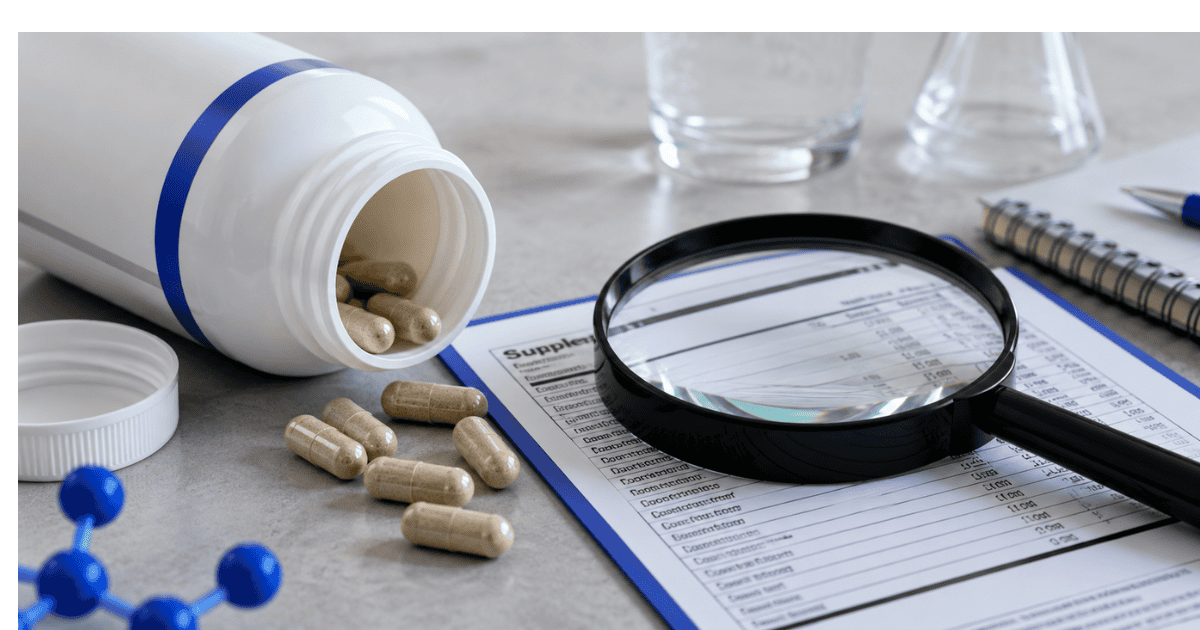
If you take one thing from this article, make it this. When people ask whether nootropics are dangerous, they’re usually picturing a herb causing harm. The far more documented danger is buying a product that doesn’t contain what the label says. Researchers purchased ten supplements marketed for memory and cognitive function and analysed their contents. They found five drugs not approved for human use in the United States — omberacetam, aniracetam, phenibut, vinpocetine and picamilon (Cohen et al., 2021).
The details are worse than the headline. Doses reached up to four times typical pharmaceutical amounts. Among the products that declared quantities on the label, 75% of those declarations were inaccurate. Some products contained drugs that weren’t listed at all, and consumers using a single product could be exposed to as many as four unapproved drugs at once — combinations never tested in humans. The authors concluded that consumers could face serious health risks through unpredictable dosing without any clinical supervision (Cohen et al., 2021). Notably, these products were identified through mainstream supplement databases — you could not have avoided them by shopping carefully alone.
This reframes the safety question entirely. The relevant risk isn’t usually “is Bacopa dangerous?” It’s “does this bottle contain Bacopa, at the stated dose, and nothing else?” Which is why third-party testing — independent verification by organisations such as NSF, USP or ConsumerLab — is the single most protective habit available to a supplement buyer, and why I won’t use a brand that doesn’t publish its testing.
What the well-studied compounds actually look like
Against that backdrop, the genuinely well-researched compounds look reassuring — and it’s worth being fair to them rather than tarring everything with the same brush. The combination of L-theanine and caffeine has been studied in controlled trials and is well characterised at the doses commonly used (Owen et al., 2008), with the caveat that caffeine itself carries familiar issues around sleep disruption, anxiety and dependence. Details are in our L-theanine and caffeine guide.
Bacopa monnieri, which I take daily, has a high therapeutic index and is generally well tolerated, with gastrointestinal effects — increased stool frequency, nausea and abdominal cramps — as the most common adverse events (StatPearls, NCBI). Those are real and reasonably common, not trivial, but they’re mild, reversible, and largely avoidable by taking it with food. Magnesium follows a similar pattern: safe for most people, with a supplemental upper limit of 350mg per day and a genuine caution for anyone with impaired kidney function, since magnesium is cleared renally (NIH Office of Dietary Supplements).
The honest summary for this tier: mild, mostly digestive side effects, well-documented dose ceilings, and specific contraindications that are knowable in advance. That’s a manageable risk profile for a healthy adult who reads labels — which is why these are the compounds I point beginners toward in our guide to the best nootropics for beginners.
Where the documented harms actually are
Now the part that reassurance-driven articles skip. Ashwagandha is one of the most popular supplements in this space and I’ve written about it favourably, so it matters that I report this accurately: while clinical trials have not shown liver enzyme elevations, the NIH’s LiverTox database records that cases of clinically apparent liver injury have been reported, typically appearing two to twelve weeks after starting, with jaundice and itching. Most resolve fully on stopping, but rare instances of fatal injury or emergency transplant have occurred, particularly in people with pre-existing cirrhosis or advanced liver disease. LiverTox grades ashwagandha a likely cause, and advises avoiding it in those with significant liver disease (NIH LiverTox).
That is not a reason for panic — millions take ashwagandha uneventfully and the cases are rare relative to use. It is a reason to know the warning signs, avoid it entirely if you have liver disease, and stop immediately if you develop jaundice, dark urine or persistent itching. Read our ashwagandha guide alongside this.
The higher-risk tier is clearer still. The racetam family and compounds like phenibut are not approved for human use in the United States, are frequently mislabelled, and in phenibut’s case carry documented risks of dependence and difficult withdrawal. Prescription stimulants and modafinil used without a prescription belong in a different category altogether — those are medical decisions requiring supervision, not supplements. My position is straightforward: I don’t use these, I don’t recommend them, and I think anyone selling them as “nootropics” is exploiting a definitional loophole.
Interactions, and who shouldn’t self-experiment
The risk that most often catches people out isn’t a compound being inherently dangerous — it’s a compound being dangerous for them. Herbal supplements can interact with prescription medications through shared metabolic pathways, altering how much of a drug reaches your bloodstream. That can mean either a medication becoming less effective or its levels rising toward toxicity, and neither is something you’d notice until it caused a problem.
So, plainly: if you take any prescription medication — particularly blood thinners, thyroid medication, antidepressants, sedatives, blood pressure drugs or immunosuppressants — talk to a pharmacist or doctor before adding anything. The same applies if you’re pregnant or breastfeeding, under 18, or managing liver, kidney, cardiac or psychiatric conditions. Pharmacists are genuinely good at this, usually free to consult, and rarely asked. Bring the actual bottle and the Supplement Facts panel.
This is also the strongest practical argument for building slowly rather than assembling an elaborate regimen from a recipe online. Every additional product multiplies both your interaction surface and your exposure to the labelling problems described above — a point I make in more detail in the nootropic stacking guide.
Risk hierarchy: not all nootropics are equal
Graded honestly — including for compounds I personally take.
The NeuroEdge Protocol
The NeuroEdge Nootropic Safety Protocol
The rules I follow myself, in the order they matter.
01 — Clear it first
On any medication, or pregnant, or managing a health condition? Speak to a pharmacist or doctor before anything else. Bring the bottle.
02 — Buy verified
Third-party tested only (NSF, USP, ConsumerLab or published certificates of analysis). This addresses the largest documented risk.
03 — One at a time
One new compound, lowest sensible dose, minimum two weeks before adding anything else. Otherwise you can’t attribute either benefit or harm.
04 — Know your stop signs
Jaundice, dark urine, persistent itching, chest symptoms, mood changes: stop and seek medical advice. Don’t push through side effects.

Peter’s Testing Notes
First-person, n=1 — reported honestly
In 18+ years of self-experimentation I’ve had exactly one experience that genuinely worried me, and it’s worth describing because it illustrates the point of this article. Years ago, early in my testing, I started three compounds in the same week. Within days I felt persistently unwell — low-grade nausea, poor sleep, a flat mood I couldn’t place. The problem wasn’t just that something disagreed with me. It was that I had no idea which of the three was responsible, so I had to stop everything and lost two months of testing. That mistake is the origin of the one-at-a-time rule above.
My current stack is deliberately conservative: Bacopa with breakfast, Lion’s Mane, creatine, and magnesium glycinate in the evening. All four are in the lower risk tiers of the table above, all from suppliers that publish third-party testing. I’ve tried more exotic compounds over the years and quietly abandoned most of them — not usually because they were dangerous, but because the evidence was thin and the sourcing uncertain, which is its own kind of risk.
The honest limitation of everything I’ve written here: my experience is one person’s, and tolerating something well tells you nothing about whether you will. I’m also aware that running a site about nootropics gives me an incentive to be reassuring. That’s precisely why the liver injury data on ashwagandha is in this article rather than left out — if I only reported the comfortable findings, nothing else I write would be worth trusting.
Key takeaways
| → | “Are nootropics safe?” has no single answer — the category spans well-tolerated herbs and unapproved pharmaceuticals. Judge compounds individually. |
| → | The FDA does not approve supplements for safety before sale, and must prove a product unsafe after it’s on the market to act (FDA). Legal availability proves nothing. |
| → | Product quality is the biggest documented risk: five unapproved drugs were found across ten cognitive supplements, with 75% of declared quantities inaccurate (Cohen et al., 2021). Buy third-party tested. |
| → | Ashwagandha carries rare but documented liver injury; avoid it with existing liver disease and stop at the first sign of jaundice or itching (NIH LiverTox). |
| → | Introduce one compound at a time. It’s both the safest approach and the only way to learn anything reliable about what works for you. |
Frequently asked questions
Are nootropics safe to take every day?
It depends entirely on which compound. Well-studied options like L-theanine, magnesium glycinate and Bacopa monnieri are generally well tolerated with daily use in healthy adults, with mild gastrointestinal effects being the most common issue for Bacopa (StatPearls). Others are not suitable for daily use at all, and unapproved drugs sold as nootropics shouldn’t be taken at any frequency. Daily use also raises questions that short trials don’t answer, since most research covers weeks to months rather than years. If you take medication or have a health condition, check with a clinician before making anything a daily habit.
Does the FDA test nootropic supplements?
No. Under the Dietary Supplement Health and Education Act of 1994, the FDA is not authorised to approve dietary supplements for safety or effectiveness before they reach the market, and in many cases companies can begin selling without notifying the FDA at all. Manufacturers are responsible for their own safety assurance. Once a product is on sale, the FDA must demonstrate that it is unsafe before restricting it, relying largely on adverse event reports (FDA). This is why independent third-party certification from organisations such as NSF, USP or ConsumerLab carries real weight — it supplies verification the regulatory system doesn’t.
What is the most dangerous nootropic?
The highest-risk category is unapproved pharmaceutical drugs sold as supplements. Analysis of ten cognitive enhancement products detected five drugs not approved for human use in the US — omberacetam, aniracetam, phenibut, vinpocetine and picamilon — sometimes at four times typical pharmaceutical doses, sometimes undeclared on the label, and with users of a single product potentially exposed to four unapproved drugs at once (Cohen et al., 2021). Phenibut specifically carries documented risks of dependence and difficult withdrawal. Prescription stimulants and modafinil taken without medical supervision belong in a separate, medical category.
Can nootropics damage your liver?
Some can, rarely. The clearest documented example among popular supplements is ashwagandha: the NIH’s LiverTox database records cases of clinically apparent liver injury typically appearing two to twelve weeks after starting, presenting with jaundice and itching, and grades ashwagandha a likely cause. Most cases resolve fully after stopping, but rare instances of fatal injury or emergency transplant have occurred, particularly in people with pre-existing cirrhosis or advanced liver disease, who should avoid it entirely (NIH LiverTox). If you develop jaundice, dark urine or persistent itching while taking any supplement, stop and seek medical advice promptly.
Can I take nootropics with my prescription medication?
Not without checking first. Herbal supplements can interact with medications through shared metabolic pathways, either reducing a drug’s effectiveness or raising its levels toward toxicity — and you generally wouldn’t notice until it caused a problem. This applies particularly to blood thinners, thyroid medication, antidepressants, sedatives, blood pressure drugs and immunosuppressants. A pharmacist is the ideal person to ask: they’re trained specifically in interactions, usually free to consult, and rarely asked about supplements. Bring the actual bottle so they can read the full Supplement Facts panel rather than relying on a brand name.
Get “7 Days to a Sharper Brain” — Free
The exact daily protocol I use — biohacking stack sequence, HRV tracking, cold exposure, and a 4-week testing methodology to measure what actually works for you.
Join 2,000+ readers optimising their cognitive performance. Unsubscribe anytime.
Scientific references
1. Cohen, P. A., Avula, B., Wang, Y. H., Zakharevich, I., & Khan, I. (2021). Five unapproved drugs found in cognitive enhancement supplements. Neurology: Clinical Practice, 11(3), e303–e307. DOI: 10.1212/CPJ.0000000000000960
2. National Institutes of Health. Ashwagandha. LiverTox: Clinical and Research Information on Drug-Induced Liver Injury. NCBI Bookshelf. NBK548536
3. US Food and Drug Administration. Dietary Supplements. fda.gov
4. US Food and Drug Administration. Is It Really “FDA Approved”? Consumer Updates. fda.gov
5. Walker, E. A., & Pellegrini, M. V. Bacopa monnieri. StatPearls. NCBI Bookshelf. NBK589635
6. Owen, G. N., Parnell, H., De Bruin, E. A., & Rycroft, J. A. (2008). The combined effects of L-theanine and caffeine on cognitive performance and mood. Nutritional Neuroscience, 11(4), 193–198. PMID: 18681988
7. National Institutes of Health, Office of Dietary Supplements. Magnesium: Fact Sheet for Health Professionals. ods.od.nih.gov
Peter Benson
Cognitive Enhancement Researcher | 18+ Years Independent Research
Peter has personally tested every protocol in this guide over 18+ years of systematic self-experimentation, tracking sleep, HRV and cognitive performance data as part of his ongoing research practice. NeuroEdge Formula is his platform for sharing rigorous, safety-first cognitive enhancement guidance.
Last reviewed: July 2026