The Complete Guide to Biohacking: Evidence-Based Advanced Protocols for Cognitive Performance
Medical Disclaimer: The information in this article is for educational purposes only and does not constitute medical advice. Advanced biohacking protocols — particularly cold exposure, extended fasting, and high-intensity training — carry physiological risks and are contraindicated in various medical conditions. Always consult a qualified healthcare provider before beginning any advanced protocol, especially if you have cardiovascular conditions, metabolic disorders, or take medications. Individual responses vary significantly.
Biohacking has a credibility problem — one created almost entirely by its loudest proponents. The term has become associated with expensive gadgets, fringe theories, and the kind of confident overclaiming that makes evidence-based researchers wince. Influencers inject themselves with experimental compounds based on preliminary animal research. Podcasters recommend five-figure diagnostic panels for 25-year-olds. “Biohackers” optimize metrics with no established relationship to health outcomes, chasing numbers that move on tracking apps while ignoring the interventions with actual evidence behind them.
This is not that guide. What biohacking actually is — stripped of the marketing and the theater — is the systematic application of emerging scientific understanding about human physiology to deliberately improve biological performance beyond baseline. When the definition is that simple, it becomes clear that the most powerful biohacking interventions are not exotic or expensive. They are the deliberate exploitation of well-characterized physiological mechanisms — cold thermogenesis, metabolic flexibility, autonomic nervous system training, circadian biology, hormetic stress — that most people have consistent access to and almost no one applies with the specificity that transforms them from vague lifestyle advice into precise performance tools.
After 18+ years of systematic self-experimentation — including OMAD practice, water fasting supervision, mindfulness coaching, and methodical compound testing — I have identified the biohacking interventions with the strongest evidence-to-effort ratio: those that produce meaningful, measurable improvements in cognitive performance, stress resilience, and long-term brain health through mechanisms that are well-enough understood to optimize rather than guess at. This is the pillar guide for the Biohacking hub, covering the foundational science and the complete protocol framework. Detailed guides for each major intervention follow throughout the hub.
Part 1: What Evidence-Based Biohacking Actually Means
The core concept behind every legitimate biohacking intervention is hormesis — the biological principle that controlled, acute stress applied to a physiological system produces adaptive responses that strengthen the system beyond its baseline capacity. Exercise is the most familiar example: controlled mechanical and metabolic stress on muscle tissue produces adaptive protein synthesis that increases strength, endurance, and metabolic efficiency. The same principle applies to thermal stress (cold and heat exposure), metabolic stress (fasting and caloric restriction), oxidative stress (exercise-induced ROS that upregulate antioxidant enzymes), and cognitive stress (learning challenges that drive neuroplasticity).
What distinguishes hormetic biohacking from harmful stress is dose and recovery: the stress must be acute enough to trigger an adaptive response but not chronic enough to overwhelm recovery capacity, and adequate recovery between stressor applications must allow the adaptation to consolidate. This is why the dose-response relationship matters for every biohacking protocol — cold exposure for 2 minutes produces different adaptive signals than 20 minutes, fasting for 16 hours produces different metabolic effects than 72 hours, and exercise at 70% maximum heart rate produces different neurochemical responses than maximum effort sprints.
The Three Evidence Tiers in Biohacking Research
Biohacking sits at the intersection of established physiology and emerging research — which means the evidence quality varies enormously across different interventions. This guide uses the same three-tier evidence framework applied throughout NeuroEdge Formula, adapted for biohacking-specific research contexts.
Tier 1 — Established mechanisms with robust human evidence: Interventions where the physiological mechanism is well-characterized and human clinical or controlled research confirms meaningful effects. Examples: aerobic exercise for BDNF and hippocampal neurogenesis, cold exposure for norepinephrine and brown adipose tissue activation, time-restricted eating for metabolic flexibility and autophagy induction, HRV biofeedback for autonomic nervous system regulation.
Tier 2 — Plausible mechanisms with preliminary human evidence: Interventions where the mechanism is biologically sound and animal research is compelling, with some human data that is consistent but not yet definitive. Examples: specific sauna protocols for heat shock protein expression and cardiovascular adaptation, specific breathing protocols for autonomic regulation, photobiomodulation for mitochondrial function.
Tier 3 — Theoretical or anecdotal: Interventions with plausible theoretical mechanisms but insufficient human evidence. Not covered in this hub — these belong in an experimental log, not a protocol.
Every protocol in this hub falls within Tier 1 or Tier 2. The biohacking space generates enormous excitement about Tier 3 interventions — which is precisely why this distinction matters for anyone who wants results rather than novelty.
Part 2: The Core Biohacking Domains — Mechanisms and Leverage
Domain 1: Cold Exposure — Norepinephrine, Resilience, and Metabolic Activation
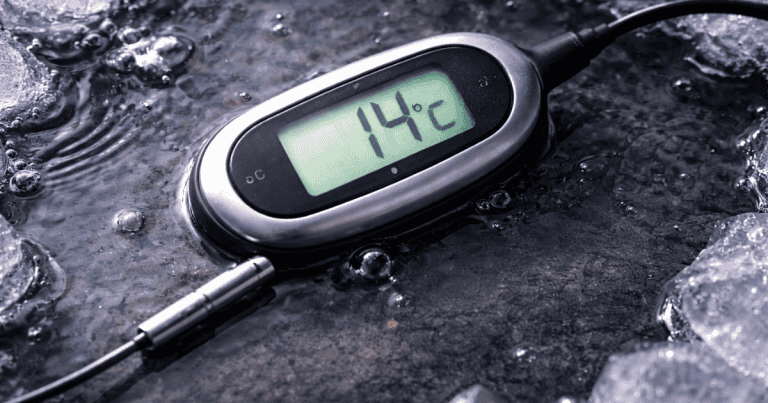
Cold exposure — cold water immersion, cold showers, cryotherapy — is the biohacking intervention with the clearest acute neurochemical mechanism and one of the strongest evidence bases for cognitive performance effects. The mechanism begins within seconds of cold water contact: the sympathetic nervous system activates acutely, producing a 200–300% increase in norepinephrine — the catecholamine that drives alertness, working memory, and the attentional system’s capacity to filter signal from noise. Research by Srámek and colleagues documented that cold water immersion at 14°C produced a 530% increase in norepinephrine — the largest acute norepinephrine stimulus documented for any non-pharmacological intervention.
The cold-adapted brain — in individuals who practice cold exposure regularly over weeks — shows changes that extend beyond the acute norepinephrine response: increased dopamine receptor sensitivity, enhanced autonomic nervous system flexibility (measured by improved HRV), reduced inflammatory cytokine baseline, and improved stress resilience through the same mechanism that exercise produces stress adaptation. In my own 18+ years of protocol testing, consistent cold exposure is among the small number of interventions that produces a perceptible, reliable shift in mental sharpness and stress tolerance within the first two weeks of regular practice — rather than requiring the structural timelines of neuroplasticity supplements.
The cognitive performance applications: morning cold exposure (2–5 minutes at the coldest comfortable temperature) as a pre-work neurochemical activation protocol — the norepinephrine elevation persists for 3–4 hours, providing a stimulant-free attentional enhancement that complements the caffeine-L-theanine combination from the Focus hub. Post-exercise cold exposure for inflammation reduction and recovery optimization. The detailed protocol, dose-response considerations, and timing optimization are covered in the cold exposure guide.
Domain 2: Intermittent Fasting and Time-Restricted Eating — Metabolic Flexibility and Autophagy
Intermittent fasting — from 16:8 time-restricted eating to extended multi-day fasting — produces cognitive performance effects through three distinct mechanisms that operate on different timescales: acute ketone production (within 12–16 hours of fasting onset), metabolic flexibility improvement (across weeks of consistent practice), and autophagy induction (cellular cleanup beginning at 16–24 hours, maximizing at 48–72 hours for extended fasts).
The cognitive case for fasting begins with ketones. When liver glycogen is depleted after 12–16 hours of fasting, the liver begins producing ketone bodies — beta-hydroxybutyrate, acetoacetate, and acetone — from fatty acid oxidation. Ketones cross the blood-brain barrier and are oxidized by neurons with approximately 25% greater ATP efficiency than glucose, providing a cleaner, more stable neuronal energy source that many people subjectively describe as producing exceptional mental clarity — without the glucose fluctuations that create the cognitive peaks and valleys of glucose metabolism. Research on ketone metabolism and brain function found that beta-hydroxybutyrate directly increases BDNF expression — connecting fasting’s metabolic effects to the neuroplasticity mechanisms that long-term brain health depends on.
Autophagy — the cellular self-cleaning process through which damaged proteins, dysfunctional organelles, and debris including amyloid-beta precursors are cleared from neurons — is activated by the mTOR pathway suppression that fasting produces. Regular activation of neuronal autophagy through intermittent fasting is a direct neuroprotective mechanism against the protein aggregate accumulation that underlies Alzheimer’s and other neurodegenerative conditions. I have practiced OMAD (one meal a day) consistently for years and supervised numerous extended water fasting protocols — the cognitive clarity effects of sustained metabolic flexibility are among the most consistent and significant I have observed across all biohacking interventions. The detailed fasting protocol is covered in the intermittent fasting guide.
Domain 3: HRV Training and Autonomic Optimization — The Stress Resilience System
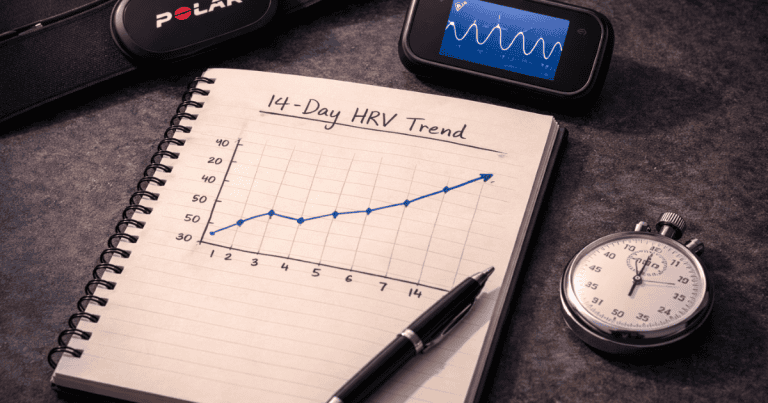
Heart rate variability — the millisecond-to-millisecond variation in time between heartbeats — is the most informative single biomarker of autonomic nervous system function available from consumer devices, reflecting the balance between sympathetic (fight-or-flight) and parasympathetic (rest-and-digest) nervous system tone. High HRV indicates healthy autonomic flexibility — the ability to efficiently shift between states of activation and recovery — while low HRV indicates chronic sympathetic dominance associated with elevated stress, poor recovery, impaired cognitive function, and increased health risk.
HRV is both a measurement tool and a training target. Resonance frequency breathing — slow diaphragmatic breathing at approximately 6 breaths per minute — produces maximal heart rate oscillation through baroreflex activation, directly training the vagal tone that elevates resting HRV across weeks of consistent practice. Research on HRV biofeedback and cognitive performance found that regular HRV biofeedback training significantly improved executive function, emotional regulation, and attentional performance — through the prefrontal-vagal connectivity that high vagal tone enables. The practical application: 20 minutes of resonance frequency breathing daily, tracked with a consumer HRV monitor to confirm the training effect and guide session quality. Full protocol in the HRV training guide.
Domain 4: Heat Exposure — Cardiovascular Adaptation and Growth Hormone
Sauna use — particularly Finnish dry sauna at 80–100°C for 15–20 minutes — produces a hormetic heat stress response with well-characterized cardiovascular and neurochemical benefits. Heat shock protein (HSP) induction protects neurons against protein misfolding — a direct neuroprotective mechanism against the aggregate formation underlying Alzheimer’s and Parkinson’s pathology. Growth hormone secretion increases dramatically with sauna use — with research showing 2–5x GH elevation from sauna sessions, supporting the anabolic tissue maintenance and brain-derived neurotrophic signaling that GH facilitates. Epidemiological research by Laukkanen and colleagues found that frequent sauna use (4–7 times per week) was associated with a 65% reduction in Alzheimer’s disease risk and 65% reduction in dementia risk over 20-year follow-up in Finnish men — with dose-response relationships suggesting more frequent sessions produce greater protection. The mechanism is likely multi-factorial: cardiovascular adaptation improving cerebral blood flow, HSP neuroprotection, BDNF elevation, and the relaxation response reducing chronic cortisol.
Domain 5: Circadian Optimization — Light, Timing, and the Master Clock
Circadian biology represents the most underutilized biohacking domain — and arguably the one with the highest leverage-to-effort ratio of any intervention in this hub. The circadian clock governs virtually every physiological process relevant to cognitive performance: cortisol secretion patterns, neurotransmitter synthesis rates, neuroplasticity windows, immune function timing, sleep architecture, metabolic rate, and cellular repair cycles. Misalignment between the biological clock and behavioral timing — from inconsistent sleep timing, artificial light exposure, and misaligned meal timing — degrades cognitive performance across every domain simultaneously.
The biohacking approach to circadian optimization: morning bright light within 30–60 minutes of waking to anchor the circadian clock (10,000 lux outdoor light or equivalent), consistent sleep and wake timing within a 30-minute window seven days per week, meal timing aligned with the circadian metabolic window (eating earlier in the day when insulin sensitivity and digestive enzyme activity are highest), and evening light management through blue-light-blocking glasses and dim warm light to protect melatonin onset timing. These interventions cost nothing and collectively produce circadian optimization that many people have never experienced in adult life — a level of physiological coherence where every system is operating in its optimal temporal context simultaneously.
Free Download
Get the 7-Day Brain Optimization Protocol
The evidence-based diet, sleep, and supplement framework for your first week of cognitive enhancement — completely free.
Join 2,000+ readers optimizing their cognitive performance. Unsubscribe anytime.
Part 3: The Stacking Principle — How Biohacking Interventions Compound
The most important concept in applied biohacking is that the interventions in this hub are not merely additive — they are multiplicatively synergistic when sequenced correctly. The biological mechanisms through which they produce their effects interact and amplify each other in ways that make a coherent integrated protocol dramatically more effective than the same interventions applied randomly or in isolation.
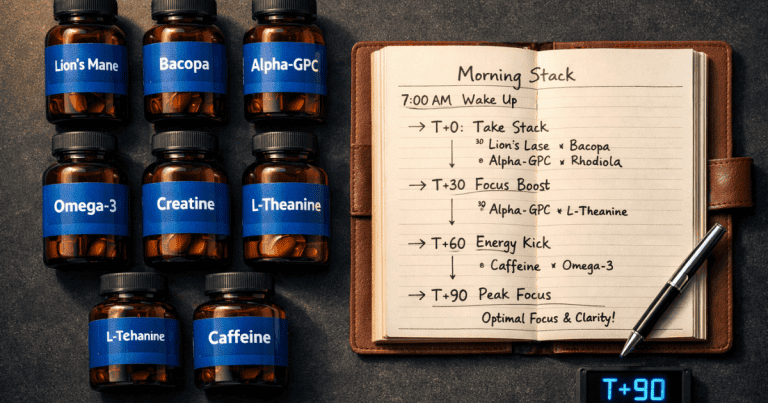
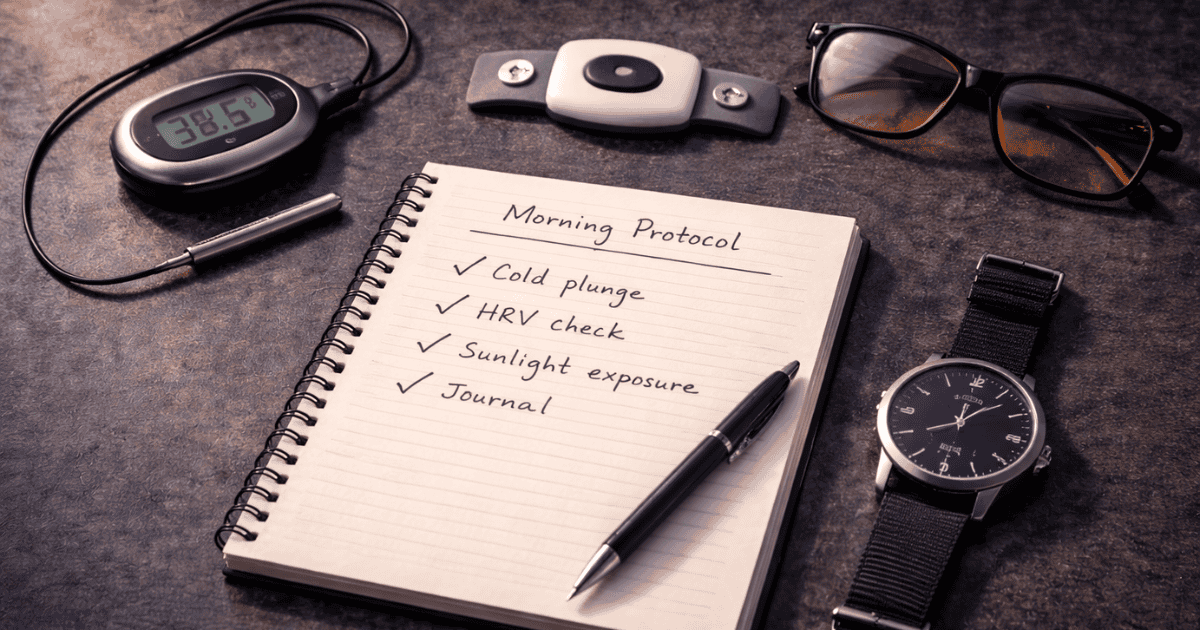
The morning protocol illustrates this most clearly. Morning outdoor light exposure anchors the circadian clock (circadian optimization), triggering the cortisol awakening response that prepares the brain for peak cognitive function. Cold exposure immediately after produces a 200–300% norepinephrine surge (cold thermogenesis) on top of the already-elevated morning catecholamine baseline, amplifying attentional activation beyond what either produces alone. Aerobic exercise within the subsequent 90 minutes generates BDNF elevation (neuroplasticity) during the circadian window of peak cognitive performance, which the cold-induced norepinephrine extends by suppressing adenosine-driven fatigue. The post-exercise window — elevated BDNF, elevated norepinephrine, peak circadian cognitive performance, active neuroplasticity — is the optimal timing for the most demanding learning or cognitively intensive work of the day, with the supplementation protocol (Alpha-GPC, Lion’s Mane, Bacopa) amplifying the synaptic consolidation of what that window produces.
This is not a theoretical stack — it is the daily protocol I have refined over years of systematic self-experimentation, combining the physiological mechanisms that the research identifies as synergistic into a morning sequence that produces a cognitive state most people have never consistently accessed. The detailed integration guide connects the protocols across this hub into this coherent sequence.
Part 4: The Biohacking Hierarchy — What to Implement First
For anyone new to systematic biohacking, the implementation sequence matters enormously. Advanced interventions applied on a foundation of sleep deprivation, poor nutrition, and chronic unmanaged stress produce modest effects at best — the biology is not in a state to respond adaptively to hormetic stressors when it is already overwhelmed by baseline chronic stressors. The hierarchy below reflects the evidence-to-effort ratio at each level and the dependency structure of the protocols.
Foundation (Month 1): Sleep optimization to 7–9 hours with consistent timing — the non-negotiable prerequisite for every other biohacking intervention’s effectiveness. Anti-inflammatory diet MIND pattern — the nutritional substrate that determines how effectively every other protocol’s adaptive responses consolidate. Daily mindfulness 10–15 minutes — HPA normalization that clears the cortisol interference with every other intervention.
Level 2 (Month 2): Circadian optimization — morning light, consistent timing, evening light management. Consistent aerobic exercise 4x weekly — the highest evidence neuroprotective intervention available. Cold exposure introduction — 60-second cold finish to existing showers, building to 2–3 minutes over two weeks.
Level 3 (Month 3): Time-restricted eating — 16:8 fasting window if metabolically appropriate and medically cleared. HRV biofeedback training — 20-minute resonance frequency breathing sessions with measurement. Sauna use — if accessible, 2–4 sessions per week at appropriate temperature.
Advanced (Month 4+): Extended fasting protocols — 24–72 hour fasts under appropriate conditions with medical clearance. Combined morning protocol stacking — the integrated cold/exercise/learning sequence. Advanced nootropic cycling — the precision supplementation protocols covered in the advanced stacking guide.
Frequently Asked Questions About Biohacking
What is biohacking and does it actually work?
Biohacking is the systematic application of scientific understanding about human physiology to deliberately improve biological performance through targeted interventions — most commonly in the domains of cognitive performance, stress resilience, metabolic health, sleep quality, and longevity. Whether it “works” depends entirely on which specific interventions are being evaluated. The biohacking space contains a wide spectrum from well-established physiological interventions with robust clinical evidence (cold exposure for norepinephrine and autonomic adaptation, time-restricted eating for metabolic flexibility and autophagy, HRV biofeedback for autonomic nervous system training, sauna for cardiovascular and neuroprotective adaptation) to speculative interventions with no meaningful human evidence (many supplements marketed under biohacking branding, expensive diagnostic panels for optimization of metrics with no established health outcome relationship, experimental compounds with only animal research). The former category works with precision and consistency, producing measurable physiological and performance changes with well-characterized mechanisms. The latter category is the source of the credibility problems that make “biohacking” a controversial term. This hub focuses exclusively on the first category — interventions where the mechanism is established and human evidence supports meaningful effects — treating biohacking as applied physiology rather than experimental self-modification.
What are the most effective biohacking techniques for cognitive performance?
Ranked by evidence strength and cognitive performance impact, the most effective biohacking techniques for cognitive performance are: aerobic exercise (the highest-evidence single intervention for BDNF, hippocampal neurogenesis, and sustained cognitive performance improvement across every domain); sleep optimization (establishing consistent 7–9 hour sleep with SWS-optimizing protocols — without which every other biohacking intervention’s cognitive benefits are substantially reduced); circadian optimization through morning bright light and consistent sleep timing (producing system-wide physiological coherence that improves cognitive performance without requiring any new activity, only appropriate light timing); cold exposure for acute norepinephrine elevation (producing 200–300% catecholamine increases that provide 3–4 hours of enhanced alertness and attentional sharpness without stimulant side effects); intermittent fasting for ketone-driven neuronal fuel efficiency and metabolic flexibility (with BDNF elevation as an additional neuroplasticity benefit); and HRV biofeedback for autonomic nervous system training (improving the prefrontal-vagal connectivity that governs executive function and emotional regulation). Applied in the integrated morning sequence described in this guide, these interventions compound into a cognitive performance baseline that most people have never consistently experienced from lifestyle factors alone.
Is biohacking safe?
The safety of biohacking interventions varies considerably by specific protocol and individual health status. The interventions with the strongest evidence base — aerobic exercise, sleep optimization, circadian optimization, mindfulness practice, anti-inflammatory nutrition — are also the safest, with risk profiles that any healthy adult can navigate without medical supervision. Cold exposure in healthy adults is generally safe at the durations described in this hub (2–5 minutes), with the primary risks being cardiovascular shock from sudden immersion (avoided by gradual adaptation) and hypothermia (avoided by appropriate duration limits). Time-restricted eating in the 16:8 range is safe for most healthy adults without metabolic conditions, though individuals with diabetes, eating disorder history, pregnancy, or specific medications require medical consultation before implementation. Extended fasting beyond 24 hours warrants medical clearance for anyone with metabolic conditions, a history of electrolyte disorders, or cardiovascular disease. Sauna use at appropriate temperatures is safe for healthy adults but contraindicated in certain cardiovascular conditions. The consistent safety principle across all protocols: start at lower intensity than the research suggests and build gradually, monitor for adverse responses, and consult a healthcare provider before beginning any protocol if you have pre-existing conditions or take medications. The most common biohacking safety failure is applying advanced protocols before the foundation (sleep, nutrition, stress management) is established — increasing the physiological load on a system already compromised by baseline dysfunction.
What is the difference between biohacking and healthy living?
The meaningful distinction is not in the interventions themselves — exercise, nutrition, sleep, and stress management appear in both — but in the specificity, intentionality, and mechanistic understanding with which they are applied. General healthy living recommendations apply broad principles without the precision that optimizes outcomes: “exercise regularly” without the specificity of intensity, timing, and duration that maximizes BDNF response; “eat healthy” without the specificity of the MIND dietary pattern that most directly addresses neuroinflammation mechanisms; “get enough sleep” without the specificity of SWS depth optimization, sleep spindle enhancement, and circadian timing that maximizes cognitive restoration and amyloid clearance. Evidence-based biohacking takes the same categories of intervention and applies them with precision informed by the underlying mechanisms — cold exposure at a specific temperature range for a specific duration timed to pre-work for maximum norepinephrine benefit; morning light at a specific intensity window within a specific time of waking for optimal circadian anchoring; exercise at a specific intensity and timing relative to cognitive work to exploit the BDNF-learning window. The difference is not exotic versus conventional — it is imprecise versus mechanistically informed. Healthy living done well is biohacking; biohacking done poorly is healthy living with expensive tracking equipment.
Evidence-Based Biohacking: The Approach That Survives Contact With Reality
The biohacking industry’s failure mode is the same as every wellness industry’s failure mode: the conflation of novelty with efficacy, the marketing of complexity as sophistication, and the systematic undervaluation of the interventions with the strongest evidence in favor of those with the most compelling story. Cold plunges get podcasts; going to bed at the same time every night does not. Ketone drinks get supplement company investments; leafy greens daily does not. Advanced blood panels get attention; consistent aerobic exercise four times a week does not.
The protocols in this hub are deliberately oriented in the opposite direction — toward the interventions where the mechanism is understood, the human evidence is convincing, the effort is scalable, and the results compound over time rather than requiring continuous maintenance of an elaborate new routine. Applied systematically on the foundation of sleep, nutrition, exercise, and stress management that the preceding hubs have established, these advanced protocols are what transforms a solid cognitive performance baseline into genuine peak performance — and what ensures that peak performance is sustained and improved across decades rather than optimized briefly and then degraded by the aging processes that biohacking, done properly, directly addresses.
The detailed protocols for each domain follow throughout this hub. For cold exposure mechanisms and protocols, see the cold exposure guide. For fasting protocols and brain health, see the intermittent fasting guide. For HRV training and autonomic optimization, see the HRV training guide. For advanced nootropic stacking, see the advanced stacking guide.
References
- Srámek, P., et al. (2000). Human physiological responses to immersion into water of different temperatures. European Journal of Applied Physiology, 81(5), 436–442. PubMed
- Shimazu, T., et al. (2013). Suppression of oxidative stress by β-hydroxybutyrate, an endogenous histone deacetylase inhibitor. Science, 339(6116), 211–214. PubMed
- Lehrer, P.M., & Gevirtz, R. (2014). Heart rate variability biofeedback: How and why does it work? Frontiers in Psychology, 5, 756. PubMed
- Laukkanen, T., et al. (2017). Sauna bathing is inversely associated with dementia and Alzheimer’s disease in middle-aged Finnish men. Age and Ageing, 46(2), 245–249. PubMed
- Cotman, C.W., & Berchtold, N.C. (2002). Exercise: A behavioral intervention to enhance brain health and plasticity. Trends in Neurosciences, 25(6), 295–301. PubMed
- Lazar, S.W., et al. (2005). Meditation experience is associated with increased cortical thickness. NeuroReport, 16(17), 1893–1897. PubMed
- Mattson, M.P., et al. (2018). Intermittent metabolic switching, neuroplasticity and brain health. Nature Reviews Neuroscience, 18(2), 63–80. PubMed
- Erickson, K.I., et al. (2011). Exercise training increases size of hippocampus and improves memory. PNAS, 108(7), 3017–3022. PubMed
- Laukkanen, J.A., et al. (2018). Cardiovascular and other health benefits of sauna bathing: A review of the evidence. Mayo Clinic Proceedings, 93(8), 1111–1121. PubMed
- Wright, K.P., et al. (2013). Entrainment of the human circadian clock to the natural light-dark cycle. Current Biology, 23(16), 1554–1558. PubMed
Tags: biohacking, biohacking for cognitive performance, evidence-based biohacking, biohacking brain, cold exposure biohacking, intermittent fasting biohacking, HRV biohacking, sauna biohacking, circadian biohacking, biohacking protocols, hormesis biohacking, norepinephrine cold exposure, ketones cognitive performance, biohacking beginners, advanced biohacking protocols
About Peter Benson
Peter Benson is a cognitive enhancement researcher and certified mindfulness coach with 18+ years of systematic self-experimentation in biohacking, nootropics, and brain health optimization. He practices OMAD (one meal a day), has supervised extended water fasting protocols, and has personally tested the protocols in this hub over years of documented experimentation. NeuroEdge Formula is his platform for sharing rigorous, safety-first cognitive enhancement guidance.