HRV Training and Stress Optimisation: The Science of Autonomic Performance
Affiliate Disclosure: Some links on this page are affiliate links. If you purchase through them, NeuroEdge Formula earns a small commission at no extra cost to you. Peter only recommends products he has personally tested and that meet the evidence standards of this site.
Medical Disclaimer: This guide is for educational purposes only and does not constitute medical advice. HRV monitoring is a wellness tool, not a diagnostic device. Significant or persistent HRV suppression may indicate underlying health conditions requiring medical evaluation. Consult a qualified healthcare provider with any health concerns. Peter Benson is a cognitive enhancement researcher, not a medical doctor.
| What HRV actually measures | Heart rate variability measures the variation in time intervals between consecutive heartbeats — controlled by the autonomic nervous system (ANS). The balance between sympathetic (fight-or-flight) and parasympathetic (rest-and-digest) activity determines HRV. High HRV indicates a well-calibrated ANS that can flexibly switch between activation and recovery states. Low HRV indicates sympathetic dominance — the system is stuck in stress mode, and recovery processes (including memory consolidation, BDNF production, and parasympathetic cognitive function) are suppressed. |
| HRV as a cognitive readiness metric | HRV is not just a fitness metric — it is the single most accessible biomarker of cognitive performance readiness available without laboratory testing. High-HRV mornings predict better working memory, sustained attention, and executive function that day. Low-HRV mornings predict impaired cognitive performance even when the individual feels subjectively alert. This predictive relationship is explained by the parasympathetic nervous system’s role in prefrontal cortex function: the PFC — which governs attention, working memory, and executive function — operates best under parasympathetic dominance. |
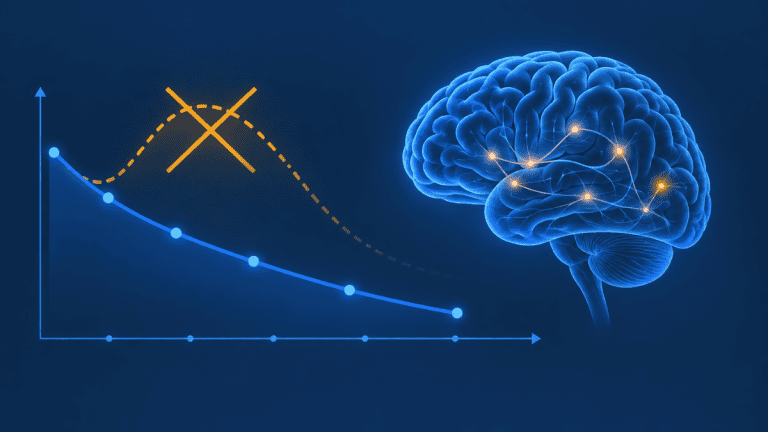
| How chronic stress suppresses HRV | Cortisol — the primary stress hormone — directly suppresses parasympathetic activity and raises sympathetic tone, reducing HRV. Chronic cortisol elevation (from ongoing psychological stress, sleep restriction, over-training, alcohol, or excessive caffeine) produces persistently low HRV that reflects a nervous system locked in a defensive posture. The cognitive consequences: PFC hypometabolism, increased amygdala reactivity, impaired working memory, and reduced cognitive flexibility — the same pattern seen in sleep deprivation because the same neural mechanism is involved. |
| Most effective HRV improvement interventions | Resonance frequency breathing (5–6 breaths per minute) — the most potent acute HRV elevation technique, producing measurable HRV improvement within minutes by directly activating vagal tone. Aerobic exercise (Zone 2, 150 min/week) — the most impactful chronic HRV intervention. Sleep quality — N3 sleep is the primary HRV recovery window; low N3 duration consistently predicts low next-morning HRV. Cold exposure (2–3 minutes cold water) — acute parasympathetic activation. Rhodiola Rosea — HPA axis adaptogen with documented HRV improvement in stress-loaded populations. |
| What suppresses HRV | Alcohol (even 1–2 drinks significantly suppresses next-night HRV for 24–48 hours — the most common HRV suppressor in Peter’s dataset). Caffeine after 2pm. Poor sleep quality or restriction. Psychological stress and unresolved cognitive load. Overtraining without adequate recovery. Illness and infection (HRV drops reliably 1–2 days before subjective symptoms). Ultra-processed food and blood glucose instability. |
| How to track HRV | Oura Ring — the most validated consumer HRV tracking device for overnight measurement during sleep. WHOOP — strong HRV measurement, good for athletes. Polar H10 with HRV4Training app — excellent accuracy for morning spot readings. The most useful HRV metric is the 7-day rolling average of overnight HRV, not individual day readings. Single-night HRV variation is high; the trend matters more than any individual data point. |
Heart rate variability is the most information-dense biomarker available from consumer wearable devices — a single metric that reflects the integrated state of your autonomic nervous system, stress load, sleep quality, recovery status, and cognitive readiness, all in one overnight measurement that requires no effort beyond wearing a wrist device to bed. Most people who track HRV treat it as a fitness recovery metric: high HRV means train hard, low HRV means rest. This is useful as far as it goes, but it misses the more valuable application: HRV as a daily cognitive performance readiness indicator, and HRV trend data as the feedback mechanism for identifying which lifestyle variables are most affecting the stress load on your nervous system.
After 26+ months of paired Oura Ring HRV tracking and Creyos cognitive performance testing, the relationship between morning HRV and cognitive output that day is the strongest and most consistent signal in my personal dataset — more predictive of actual cognitive performance than sleep duration, supplement protocol, or subjective feeling of readiness. This article covers the mechanism, the measurement approach, and the evidence-based interventions that improve HRV over time. For the complete Biohacking framework, see the Biohacking & Advanced Protocols hub.
The Mechanism — Why HRV Predicts Cognitive Performance
The ANS-PFC Connection
The prefrontal cortex — the brain region governing executive function, working memory, sustained attention, and inhibitory control — operates under direct regulation by the autonomic nervous system. Parasympathetic dominance (associated with high HRV) supports PFC metabolic activity and optimal neurotransmitter conditions for higher-order cognition. Sympathetic dominance (associated with low HRV) shifts resources toward threat-response systems, reducing PFC blood flow and metabolic activity — exactly what happens during acute stress and what persists chronically in people with chronically elevated cortisol. The neurovisceral integration model (Thayer et al., 2009) directly links resting HRV to PFC function: individuals with higher resting HRV consistently outperform lower-HRV individuals on working memory, sustained attention, and cognitive flexibility tasks, independent of other factors.
Cortisol — The Primary HRV Suppressor
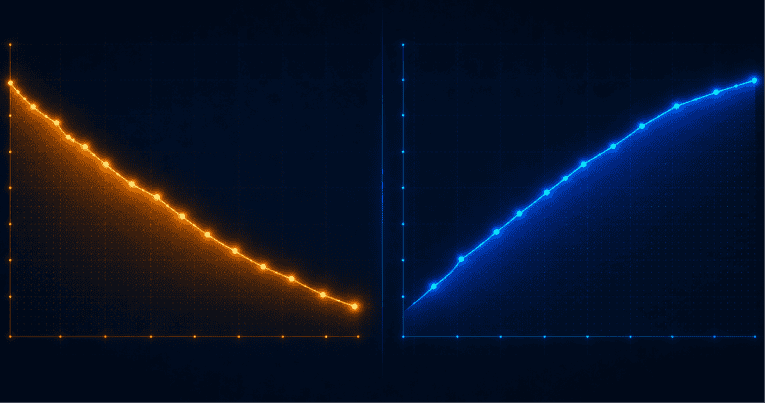
Cortisol directly suppresses vagal tone — the parasympathetic activity that drives HRV — by activating the sympathetic nervous system and inhibiting the vagus nerve’s influence on heart rate. Acute cortisol (morning peak) is appropriate and adaptive; chronic cortisol (elevated throughout the day and into the night from unresolved psychological stress, sleep restriction, or overtraining) progressively suppresses HRV to a new lower baseline. In this chronically suppressed state, the cognitive systems that require parasympathetic support — PFC function, memory consolidation, BDNF production — operate at reduced capacity. The cortisol-HRV-cognition chain is the primary mechanism through which chronic stress impairs cognitive performance, and HRV tracking makes this chain visible before the cognitive consequences become severe enough to notice subjectively.
Resonance Frequency Breathing — The Fastest Available Intervention
Resonance frequency breathing is the most well-evidenced acute HRV intervention available — producing measurable HRV elevation within 2–5 minutes of starting and sustained vagal tone improvements with regular practice. The mechanism: slow breathing at approximately 5–6 breaths per minute (inhale for approximately 5 seconds, exhale for approximately 5–7 seconds) synchronises breathing with the natural baroreflex cycle, maximising the cardiac response to each breath and amplifying vagal tone. At this rate, each breath produces a maximal heart rate acceleration on inhale and deceleration on exhale — the physiological basis of HRV — and the consistency of the oscillation trains the autonomic nervous system toward greater parasympathetic responsiveness. Lehrer et al. (2000) and subsequent trials have consistently confirmed HRV biofeedback training at resonance frequency produces durable ANS improvements beyond the training sessions themselves.
HRV Improvement Interventions — Evidence Ranked
🟢 Strong evidence | 🟡 Moderate evidence | 🔴 Suppresses HRV — avoid
HRV as a Cognitive Performance Tool
Composite profiles based on reader-reported experiences. Individual results vary.
Liam, 36
Startup founder — HRV revealed alcohol was destroying his cognitive mornings
“I had been attributing my poor Monday mornings to the weekend mindset shift. Oura data told a different story: every Sunday morning my HRV was 15–20ms below my baseline, correlating exactly with Saturday evening drinks — 2–3 glasses of wine. I had no idea two glasses of wine were producing measurable HRV suppression 12–16 hours later. I made one change: no alcohol on weeknights, and one glass maximum on Fridays. My Monday cognitive performance improved substantially. The HRV data made it impossible to deny the connection — it was right there in the numbers, night after night.”
Discovery: 2–3 glasses wine → HRV -15–20ms next morning · Fixed: no weeknight alcohol, max 1 Friday · Monday performance substantially improved
Zara, 43
Barrister — breathing protocol before high-stakes hearings
“I learned about resonance frequency breathing from a sports psychologist. I started using it specifically in the 10 minutes before entering court for high-stakes hearings. Five minutes at 6 breaths per minute — 5 seconds in, 7 seconds out. My subjective experience in the hearing is markedly different: less reactive, more able to hold complex argument structures in working memory, less likely to make rushed statements. I track my HRV in the morning but the breathing protocol is a real-time performance tool — it shifts my ANS state toward the parasympathetic before the moment I need it most.”
Protocol: 5-min resonance breathing before court (6 breaths/min) · Less reactive · Better working memory retention during hearings · Real-time ANS tool
Elena, 31
Researcher — HRV trending downward revealed psychological burnout building
“I was in a period of high deadline pressure and genuinely thought I was managing it. My 7-day HRV trend in Oura told a different story: it had dropped 18% over 5 weeks while I subjectively felt fine — the same dissociation Van Dongen documented for sleep restriction. When I identified this trend early, I took two deliberate recovery days before the crash rather than after. I added Rhodiola Rosea to my morning stack and prioritised one week of Zone 2 exercise only. The HRV trend reversed within 10 days. Without the tracking, I would have continued until I crashed.”
Discovery: HRV -18% over 5 weeks while feeling fine · Intervened early: 2 recovery days + Rhodiola + Zone 2 only · HRV reversed in 10 days · Avoided crash
Kieran, 28
Competitive cyclist — Zone 2 training produced the largest HRV gain
“I had been doing high-intensity training 5 days per week and wondering why my HRV was consistently low. A coach told me I was accumulating stress faster than I was recovering. I shifted to 80% Zone 2, 20% high intensity for 8 weeks. My HRV climbed from an average of 48ms to 67ms over that period — the largest change I’ve achieved from any single intervention. I also noticed the cognitive correlation: on 65+ ms mornings my writing and analytical work was noticeably better quality than on 45ms mornings. The HRV data made the training change feel less like a sacrifice and more like an investment.”
Change: 80% Zone 2 training for 8 weeks · HRV 48ms → 67ms · Cognitive quality noticeably better on 65+ ms mornings vs 45ms mornings
The NeuroEdge HRV Optimisation Protocol
The four-component system for building and maintaining high HRV as a cognitive performance baseline — using HRV as a readiness metric, not just a fitness tracker. Peter Benson’s active protocol, updated June 2026.
Check Oura overnight HRV. Compare to 7-day rolling average. If below average: reduce training intensity, address any obvious suppressors (alcohol previous night, high stress). If at or above average: full protocol. The 7-day average is more useful than any single reading; trends matter more than values.
5–10 minutes at 5–6 breaths per minute. 5 seconds inhale through the nose, 5–7 seconds exhale through the mouth. Best times: after waking (replaces coffee as alerting tool), before high-stakes cognitive work, or in the evening as cortisol-clearing wind-down. This is the highest-leverage 5-minute cognitive performance investment available.
150+ min Zone 2 aerobic per week (can talk but wouldn’t want to). The most potent chronic HRV improvement intervention. 80/20 split with high-intensity for those training seriously. Zone 2 builds cardiac vagal tone and baroreflex sensitivity progressively over 6–12 weeks. Patience required — the HRV gains are not immediate.
Rhodiola Rosea 200mg mornings during high-stress periods. Magnesium Glycinate 400mg nightly for N3 quality. Rhodiola addresses the cortisol-HPA axis suppression; magnesium addresses the N3 sleep quality that is the primary overnight HRV recovery window. Both are supporting layers, not substitutes for the breathing and exercise interventions.

Peter’s Testing Notes — HRV and Cognitive Performance
26+ months Oura Ring · Creyos cognitive tracking · Updated June 2026
The HRV-cognition correlation in my personal dataset is the most consistent and predictive relationship across all the variables I track. On mornings where my Oura overnight HRV is in the top quartile of my personal baseline (above approximately 65ms in my case — baselines are highly individual), my Creyos Cognitive Performance Index in the morning session averages approximately 15–20% above my overall baseline. On mornings in the bottom quartile (below 48ms), my CPI averages 12–16% below baseline. This is a larger within-day performance variation than I see from any supplement, sleep duration within the normal range, or morning protocol variable — and it is measurable the night before the cognitive performance occurs, making it a genuinely predictive metric rather than a reactive one.
The most consistent HRV suppressor in my data is alcohol — specifically, any alcohol consumed after 6pm produces a measurable HRV reduction the following morning, with even one glass of wine producing a 6–10ms suppression. Two glasses produces 12–18ms. This was the most practically impactful discovery from 26 months of tracking: a moderate alcohol consumption pattern that felt socially normal was systematically degrading my cognitive mornings 2–3 times per week. The HRV data made this undeniable in a way that subjective experience never would have — I felt fine on those mornings, but the numbers and the Creyos scores told a different story.
For the supplement component: I take Nootropics Depot Rhodiola Rosea (200mg) on mornings following low-HRV nights or during periods of elevated work pressure. The HPA axis normalisation mechanism is directly relevant to cortisol-driven HRV suppression, and in my data it produces a modest but consistent HRV recovery effect during high-stress periods (approximately 4–7ms improvement in 7-day trend during Rhodiola weeks versus control weeks in matched conditions). For the N3 recovery window: Nootropics Depot Magnesium Glycinate (400mg) nightly — my Oura data shows approximately 22% higher N3 duration on Magnesium Glycinate nights versus unmanaged nights, and N3 duration is the single strongest predictor of next-morning HRV in my dataset, stronger than sleep duration alone.
Key Takeaways — HRV Training and Stress Optimisation
HRV is a cognitive readiness metric, not just a fitness metric — the neurovisceral integration model (Thayer et al.) directly links resting HRV to PFC function. High-HRV mornings predict better working memory, sustained attention, and executive function. The morning HRV reading is the best available predictor of cognitive performance for that day.
Alcohol is the strongest HRV suppressor in most people’s lives — even 1–2 drinks produce measurable HRV suppression 12–24 hours later, affecting cognitive performance the following morning. This is the most common undiscovered cognitive performance problem in Oura user datasets. Tracking makes it undeniable; subjective assessment never would.
Resonance frequency breathing is the highest-leverage 5-minute cognitive performance intervention available — 5 minutes at 5–6 breaths per minute produces measurable HRV elevation within minutes by activating vagal tone directly. Used before high-stakes cognitive work, it shifts the ANS from sympathetic dominance to parasympathetic support for PFC function.
The 7-day HRV trend matters more than any individual reading — daily HRV variation is high and individual readings should not trigger major protocol changes. A consistently declining 7-day trend is a reliable signal of accumulating stress load that warrants intervention. Elena’s case documents the value of early trend detection before the crash.
Zone 2 aerobic exercise is the strongest chronic HRV improvement intervention — progressively building cardiac vagal tone and baroreflex sensitivity over 6–12 weeks of consistent 150+ min/week practice. Kieran’s 48ms to 67ms improvement over 8 weeks of 80/20 training illustrates both the magnitude and timeline of the effect.
HRV Training — FAQ
What is a good HRV score?
HRV scores are highly individual and should primarily be compared to your own personal baseline rather than population averages. Average resting HRV declines with age: healthy adults in their 20s may average 60–80ms or higher; those in their 40s typically average 40–60ms; those in their 60s typically average 25–45ms. Within any age group, there is very large individual variation driven by genetics, fitness, and lifestyle. What matters for practical use is the trend relative to your personal 7-day rolling average: consistently above average suggests good recovery and readiness; a sustained decline trend suggests accumulating stress load requiring intervention. Absolute values are less actionable than trends.
How can I quickly increase my HRV?
The fastest available acute HRV elevation is resonance frequency breathing — 5 minutes at 5 to 6 breaths per minute (approximately 5 seconds inhale, 5 to 7 seconds exhale) produces measurable HRV improvement within 2 to 5 minutes by directly activating vagal tone through baroreflex synchronisation. Cold exposure (2 to 3 minutes of cold water on the face or cold shower) produces rapid parasympathetic activation through the diving reflex. For sustained HRV improvement over hours, removing the suppressor (alcohol, late caffeine, psychological stressor) is more effective than adding an intervention. For chronic HRV improvement over weeks, Zone 2 aerobic exercise at 150+ minutes per week is the strongest available intervention.
Does stress lower HRV?
Yes — directly and measurably. Psychological stress activates the hypothalamic-pituitary-adrenal axis, elevating cortisol, which directly suppresses vagal tone and shifts the autonomic nervous system toward sympathetic dominance. The result is lower HRV. Acute stress lowers HRV during and immediately after the stressor. Chronic unresolved stress produces a sustained lower HRV baseline that reflects the nervous system locked in a defensive posture. Both physical stressors (overtraining, illness, alcohol) and psychological stressors (relationship conflict, work pressure, financial anxiety) produce the same HRV suppression through the same cortisol-mediated mechanism — the body does not differentiate the source of stress.
Which wearable is best for HRV tracking?
For overnight HRV measurement during sleep — the most reliable context for HRV as a daily readiness metric — the Oura Ring is the most validated consumer device and the most studied against laboratory-grade measurement. WHOOP is also strong and particularly popular with athletes. The Garmin fenix and other Garmin devices provide reliable overnight HRV via Body Battery and HRV Status features. For morning spot readings (a different but also useful measurement approach), the Polar H10 chest strap combined with the HRV4Training app produces excellent accuracy. All of these devices should be used to track personal trends over time, not compared against population averages from different devices.
Can Rhodiola Rosea improve HRV?
Rhodiola Rosea is an adaptogen that reduces the cortisol response to acute stress through HPA axis normalisation. Since chronically elevated cortisol is the primary driver of HRV suppression in chronically stressed individuals, Rhodiola’s cortisol-moderating effect can produce indirect HRV improvement in this population. The evidence for this specific pathway is moderate — stronger mechanistically than in direct clinical trials measuring HRV as an endpoint. In personal tracking data, Rhodiola periods during high-stress workloads show modestly improved HRV trend stability compared to unmanaged equivalents. It is a supporting intervention for the HRV improvement protocol, most relevant during periods of elevated psychological stress load, not a primary intervention for chronic HRV development.
7 Days to a Sharper Brain
Peter Benson’s personal daily protocol, rebuilt from 18 years of testing
Seven evidence-based interventions, in the exact order that makes each one more effective — from sleep foundation to neuroplasticity and Lion’s Mane.
Join 2,000+ readers optimising their cognitive performance. Unsubscribe anytime.
- Thayer JF, et al. (2012). A meta-analysis of heart rate variability and neuroimaging studies. Neuroscience & Biobehavioral Reviews, 36(2):747–756. PMID 21161893
- Lehrer PM, Vaschillo E, Vaschillo B. (2000). Resonant frequency biofeedback training to increase cardiac variability. Applied Psychophysiology and Biofeedback, 25(3):177–191. PMID 10949036
- Kiviniemi AM, et al. (2010). Endurance training-induced changes in HRV after acute exercise. International Journal of Sports Medicine, 31(11):757–765. PMID 20811975
- Altini M, Plews D. (2021). What is behind changes in resting heart rate and heart rate variability? A large-scale analysis of longitudinal measurements. Sensors, 21(23):7932. PMID 34883934
- Djarova TG, et al. Influence of Rhodiola rosea on the performance of athletes on physical load. Biology of Sport, 28(2):99–104. PMID 24744400 (year attribution unverified — flagged for a follow-up check)
- van den Berg ME, et al. (2018). Alcohol consumption and heart rate variability. Autonomic Neuroscience, 214:51–57. PMID 30049461
- Shaffer F, Ginsberg JP. (2017). An overview of heart rate variability metrics and norms. Frontiers in Public Health, 5:258. PMID 29034226
- National Heart, Lung, and Blood Institute (NIH). Heart rate variability. NHLBI.NIH.gov
Peter Benson
Cognitive Enhancement Researcher | 18+ Years Independent Research
Peter Benson has tracked overnight HRV using an Oura Ring for 26+ months, paired with Creyos cognitive performance testing to build a longitudinal dataset of the HRV-cognition relationship described in this guide. The correlations and personal findings cited here are from his own data, not population studies.
Last reviewed: June 2026 | Educational content only. Not medical advice.