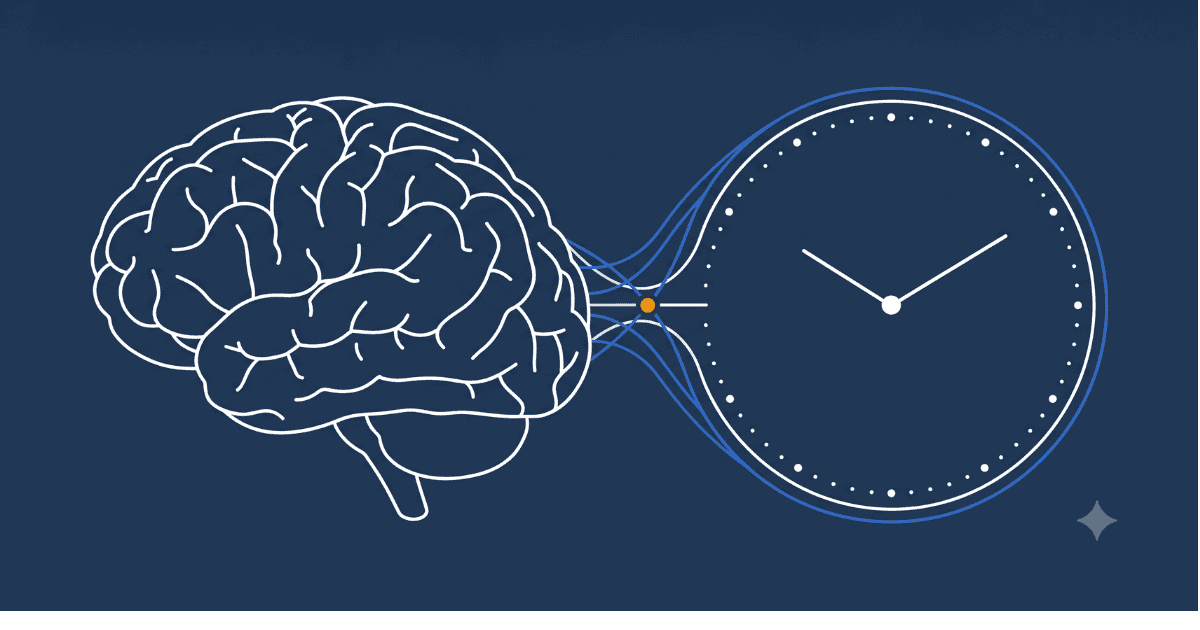
Intermittent Fasting Brain Health
Educational information, not medical advice. This article is for general education and reflects independent research, not clinical guidance. Intermittent fasting is not appropriate for everyone. Speak with a qualified healthcare provider before changing how you eat — especially if you are pregnant or breastfeeding, take medication (particularly for diabetes), are underweight, are under 18, or have any history of disordered eating.
| What this covers | The intermittent fasting brain story: the underlying physiology is real, but most cognitive claims rest on animal studies rather than human trials. |
| Best-evidenced effect | Fasting for roughly 12 hours or more shifts the brain toward ketone fuel (β-hydroxybutyrate) — well-established physiology (de Cabo & Mattson, NEJM 2019). |
| Human cognitive evidence | In healthy adults, short-term fasting does not appear to impair cognition and may modestly help some groups — but it is not a proven enhancer (Moreau & Bamberg 2025; Senderovich 2023). |
| Cleanest memory signal | The strongest positive human memory result comes from 30% caloric restriction in older adults (about a 20% verbal-memory gain over 3 months; Witte 2009) — restriction, not the fasting window itself. |
| Evidence standard | Human RCTs and meta-analyses are distinguished from rodent mechanism studies throughout. BDNF and autophagy claims for the brain are largely preclinical. |
| Biggest caution | Longer fasts are not better and are unsafe for some people. Anyone with a history of disordered eating, diabetes managed with medication, or who is pregnant should not start without medical guidance. |
Intermittent Fasting and Brain Health: What the Evidence Actually Shows
By Peter Benson, Cognitive Enhancement Researcher | 18+ Years Independent Research · Last Updated: August 2026
Search “intermittent fasting brain” benefits and you will be told, with complete confidence, that skipping breakfast rewires your neurons, floods your head with growth factors and switches on a cellular clean-up crew that holds off dementia. Some of that has a genuine basis. A great deal of it is rodent science wearing a human costume.
In 18+ years of researching cognitive enhancement — and after tracking my own sleep, recovery and heart-rate variability with an Oura Ring for more than two years — I have learned to separate a real physiological mechanism from a mechanism that has only ever been shown to matter in a mouse. Intermittent fasting is one of the most genuinely interesting interventions in the whole biohacking and advanced protocols toolkit — and also one of the most oversold. This article sets out what the evidence supports, what it doesn’t, and who should be careful.
The Metabolic Switch: What Fasting Does to the Brain
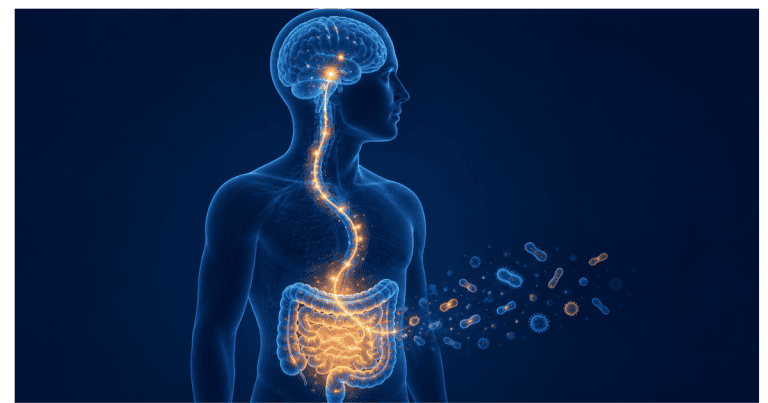
The single most robust thing fasting does is change your brain’s fuel supply. After roughly 12 hours without food, liver glycogen stores run low, the body mobilises fatty acids, and the liver begins converting them into ketone bodies — chiefly β-hydroxybutyrate. This shift from glucose to ketone metabolism is what researchers Rafael de Cabo and Mark Mattson call the metabolic switch, described in their 2019 New England Journal of Medicine review. The brain runs perfectly well on ketones; during longer fasts they can supply a large share of its energy.
What makes this more than an energy story is that β-hydroxybutyrate is not just fuel — it also behaves as a signalling molecule, influencing gene expression and cellular stress-response pathways. A widely cited 2018 review in Obesity by Anton and colleagues mapped how the switch typically engages beyond about 12 hours of fasting. Here is the honest caveat that most articles skip: a large share of the organ-level and brain-level data in that review comes from mice and rats, not people. The switch itself is real and measurable in humans. The claim that flipping it repeatedly makes your brain measurably sharper is a much bigger leap.
Johns Hopkins neuroscientist Mark Mattson, who has studied fasting for more than two decades, is careful about this himself. As Johns Hopkins Medicine notes, ketone elevation is a marker of the switch — but the beneficial cellular responses seen alongside it are largely inferred from animal studies. That distinction matters more than any single statistic.
BDNF and Autophagy — and Why Most of It Is Rodent Work
Two mechanisms do most of the heavy lifting in fasting hype. The first is BDNF (brain-derived neurotrophic factor), a protein involved in learning, memory and the survival of neurons. The second is autophagy, the cellular recycling process for which Yoshinori Ohsumi won the 2016 Nobel Prize in Physiology or Medicine, and which fasting is thought to stimulate by lowering insulin and inhibiting the mTOR pathway.
Both mechanisms are real. The problem is where the evidence lives. In animals, fasting reliably raises BDNF in the hippocampus and cortex and ramps up autophagy in brain tissue. In humans, the picture is far thinner. A 2024 systematic review in Medicina by Alkurd and colleagues looked specifically at how different fasting regimens affect BDNF levels and cognition in people, and found the response subject-dependent — no change in some studies, increases in others, decreases in others still. The takeaway is not “fasting raises human BDNF, therefore you’ll think better.” It is that the human data are limited, inconsistent, and nowhere near strong enough to justify the confident causal claims made online. Measuring autophagy in a living human brain is harder still — which is precisely why almost nobody has done it.
This is the recurring pattern with fasting and the brain: a beautiful, plausible mechanism, extensively demonstrated in rodents, and only partially and inconsistently confirmed in humans. A plausible mechanism is a reason to keep studying something. It is not the same as proof that it works in you.
What the Intermittent Fasting Brain Research Actually Shows in Humans
When you set the mouse studies aside and look only at human trials, the tone changes from “miraculous” to “modest and mixed.” A 2023 systematic review of randomised controlled trials in Medical Principles and Practice by Senderovich and colleagues examined intermittent fasting and dieting effects on cognition in adults, and found the evidence limited and far from uniform — some signals of benefit, plenty of null results, and studies too short and too small to settle the question.
The largest human synthesis to date is reassuring on the most common worry. A 2025 meta-analysis in Psychological Bulletin by Moreau and Bamberg pooled dozens of studies — roughly 3,500 participants in all, with a median fast of about 12 hours — and concluded that short-term fasting neither meaningfully impairs nor enhances mental performance in adults. Two honest caveats came with it: measured performance dipped slightly once fasts ran beyond about half a day, and children showed clearer declines than adults, which is one more reason fasting is an adult intervention. So the headline is not “fasting sharpens the mind” — it is “in healthy adults, a normal fasting window does not appear to dull it.”
A 2025 randomised controlled trial by Bamberg and colleagues in the Journal of Health Psychology adds a close-up of the adjustment period specifically. It followed 122 healthy young adults through their first ten days of a roughly 16-hour, breakfast-skipping fast. Objective cognitive performance held steady throughout — but participants did report feeling a little less concentrated in the late-morning stretch of the fast, before their first meal, compared with the afternoon after eating. That pairing is worth sitting with: measured performance stayed stable, while the subjective sense of sharpness wobbled a bit before lunch. A common fear is that fasting leaves you foggy; for most healthy people, once past the first couple of weeks, the fog is more felt than measured. But “does not impair cognition” is a very different promise from “boosts your brain.”
Reviews of time-restricted eating in older adults hint at more upside, but they rest on a handful of small, varied studies. The honest summary of the human intermittent fasting brain literature in 2026 is this: it probably won’t hurt your cognition, it might modestly help certain people, and it is not the reliable nootropic the internet sells.
Caloric Restriction vs Fasting: The Memory Evidence
The most impressive positive human result in this whole area is frequently misattributed to intermittent fasting when it actually comes from caloric restriction — eating meaningfully fewer calories overall, not simply compressing them into a shorter window. In a 2009 study in PNAS, Witte and colleagues put healthy older adults (50 participants, mean age around 60) through three months of a 30% calorie reduction and measured a roughly 20% improvement in verbal memory, correlated with drops in fasting insulin and the inflammation marker C-reactive protein.
It is a striking result — and it deserves its caveats. This was caloric restriction, not intermittent fasting. The participants were older adults, so it says little about a busy 30-year-old. Diet was self-reported, the memory correlation was strongest in the small subgroup with the best dietary adherence, and the authors themselves flagged the possibility that extra attention and social contact in the restriction group contributed to the effect. It is one good study, not a settled science.
The reason this matters for fasting is subtle but important. Intermittent fasting often reduces total calories almost by accident — a shorter eating window simply means fewer opportunities to eat. So some of the metabolic benefit attributed to the fasting window may really be a benefit of eating a bit less overall. If the mechanism doing the work is lower insulin and reduced inflammation, then how you achieve it — a shorter window, or just smaller meals — may matter less than the fact that you achieve it at all.
Illustrative example, not a real individual or testimonial. The scenario below is a composite for explanation only. It does not represent guaranteed or typical results — individual responses vary, and anyone with a health condition should speak to a doctor before changing how they eat.
Picture two people who both decide to try a 16:8 eating window. The first simply compresses their usual day into eight hours — same foods, same rough total, just eaten between noon and 8pm. The second uses the shorter window as a natural brake and ends up eating somewhat less overall, mostly by skipping the late-night grazing they used to do.
On the evidence in this article, the second person is the one more likely to see the metabolic changes — the lower fasting insulin and reduced inflammation — that the caloric-restriction research links to a memory benefit. Not because their clock is set differently, but because they are eating less. The first person gets the circadian benefit of not eating late, which is real and worth having, but they have changed when they eat without changing how much — so the mechanism the memory studies point to may barely be engaged.
The practical lesson: if you are fasting hoping for the cognitive upside, notice which of these two you actually are. A shorter window only does the work the research describes if it genuinely shifts your intake or your insulin and inflammation — not if it just reshuffles the same meals into a tighter block.
Where Fasting Fits With Sleep, Timing and Exercise
If you do decide to experiment with fasting, the single most useful refinement is when you place your eating window. Eating late at night collides directly with your body clock and tends to degrade sleep — and sleep is a far stronger lever on next-day thinking than any fasting protocol. Anchoring your eating window earlier in the day, where your schedule allows, keeps it aligned with your circadian rhythm rather than fighting it.
It is also worth keeping fasting in proportion. If your goal is more BDNF and a more resilient brain, exercise is a far stronger and better-evidenced lever than fasting — the human trial data there are genuinely convincing, where the fasting data are not. And what you eat still matters enormously: fasting is not a licence to eat poorly during your window. Pairing a sensible eating pattern with an anti-inflammatory approach to food and a healthy gut-brain axis almost certainly does more for your head than the clock alone. Viewed as one lever among many in a broader strategy to protect long-term cognitive health, fasting is reasonable. Viewed as a magic switch, it disappoints.
Who Should Be Cautious — or Avoid It Entirely
This is the section the enthusiast articles leave out, and it is the most important one. Intermittent fasting is a behaviour that involves deliberately not eating, which makes it genuinely unsuitable for some people. If you have any history of an eating disorder or disordered eating, fasting can reactivate harmful patterns, and the right move is to avoid it and speak with a professional rather than treat it as a biohack. It is also not appropriate during pregnancy or breastfeeding, for people who are underweight or frail, or for adolescents whose bodies are still developing.
If you have type 1 diabetes, or type 2 diabetes managed with insulin or sulfonylureas, fasting can cause dangerous drops in blood sugar and must only ever be attempted under medical supervision. The same caution applies if you take medication that needs to be given with food. Two general points are worth holding onto as well. First, as the National Institute on Aging stresses, the long-term human evidence is still thin — most trials have been short, and whether fasting delivers durable benefits over years is genuinely unsettled. Second, longer is not better: very long fasts of 24 hours or more carry real risks, and the best human cognitive data show performance, if anything, dipping slightly as fasts extend past roughly half a day — not improving. Johns Hopkins’ Mattson makes the practical version of the point — ease in gradually rather than going “cold turkey.” Expect a two-to-four-week adjustment period during which you may feel hungry or irritable, and if fasting consistently makes you feel worse rather than better, that is useful information, and a reason to stop.
Evidence Hierarchy: Fasting and the Brain
| Claim / Intervention | Evidence level | What it rests on |
|---|---|---|
| Metabolic switch to ketone fuel after ~12h fasting | 🟢 Well established | Human physiology; NEJM 2019 review |
| Intermittent fasting does not impair cognition in healthy adults | 🟢 Strong (does not impair) | Meta-analysis ~3,500 adults + RCT (Moreau & Bamberg 2025; Bamberg 2025) |
| Caloric restriction improves memory in older adults | 🟡 Moderate | One small RCT (Witte 2009); CR, not IF |
| Fasting raises BDNF / drives autophagy to sharpen the human brain | 🔴 Commonly claimed, not shown in humans | Mostly rodent; human data limited & mixed (Alkurd 2024) |
| Intermittent fasting prevents dementia in humans | 🔴 Commonly claimed, not shown in humans | No human RCTs; animal and mechanistic only |
The Metabolic Switch Protocol
A principles-first way to try fasting sensibly. Deliberately not a rigid hour count — the evidence doesn’t support prescribing one, and the right window depends on your life, your sleep and your health.
Extend your overnight fast gradually over two to four weeks rather than jumping to an aggressive window. Expect some hunger and irritability early; for most healthy people it settles. If it consistently makes you feel worse, stop.
Where your schedule allows, place your eating window earlier in the day and stop eating well before bed. Protecting sleep matters far more for next-day thinking than the exact length of the fast.
A shorter window is not permission to eat badly. Keep meals nutrient-dense and protein-forward, and stay well hydrated — much of the “fasting headache” is simply dehydration.
Longer fasts are not better for the brain and carry real risks. Judge the approach by how you feel and sleep over weeks, not by pushing the clock. If you take medication or have a health condition, get medical sign-off first.
I have experimented with an earlier, compressed eating window on and off, and tracked around it with my Oura Ring. I want to be honest about what that kind of self-tracking can and cannot tell you. I chose when to eat, I knew what I expected to see, and I was not blinded to any of it — which means whatever I “noticed” is hopelessly tangled up with what I was hoping to notice. So I will describe direction and impression only, and deliberately no numbers.
The clearest thing I observed was not about cognition at all — it was about sleep. On the days I ate late to fit a longer fast in, my sleep quality was visibly worse, and that showed up the next morning as duller focus. Shifting the same window earlier removed the problem. That single variable — meal timing versus bedtime — mattered far more to how sharp I felt than the length of the fast itself. The much-hyped “fasted clarity” I found real but modest, and hard to separate from the ordinary calm of a quiet, un-snacked morning.
My honest conclusion after all of it: fasting is a reasonable tool if it suits your life, mostly worth doing for the metabolic and routine benefits rather than any dramatic cognitive lift — and completely optional. It is not something I would tell anyone they need for a sharper brain.
Key Takeaways
| → | The metabolic switch from glucose to ketones after ~12 hours of fasting is real and well established. The claim that flipping it makes your brain measurably sharper is not. |
| → | BDNF and autophagy benefits for the brain are largely demonstrated in rodents; the human evidence is limited and mixed. |
| → | In healthy adults, short-term fasting doesn’t appear to harm cognition — a large 2025 meta-analysis found it neither impairs nor enhances thinking. But “doesn’t harm” is not “boosts.” |
| → | The best human memory result comes from caloric restriction in older adults, not the fasting window itself — and eating a little less may be doing much of the work. |
| → | Fasting is not for everyone. If you have a history of disordered eating, are pregnant, or manage diabetes with medication, do not start without medical guidance. |
Frequently Asked Questions
Does intermittent fasting actually improve brain function?
Not in the dramatic way it is often marketed. In healthy adults, a large 2025 meta-analysis found that short-term fasting neither meaningfully impairs nor enhances mental performance, and it may modestly help some groups — but there is no strong evidence it reliably sharpens thinking. Much of the “brain-boosting” reputation comes from rodent studies of BDNF and autophagy that have not been consistently reproduced in people. Fasting is best viewed as a reasonable metabolic tool rather than a proven cognitive enhancer.
How long do you have to fast before the brain switches to ketones?
The metabolic switch from glucose to ketone metabolism typically begins after roughly 12 hours without food, once liver glycogen stores are depleted and the body starts converting fatty acids into ketones such as β-hydroxybutyrate. The exact timing varies with your last meal, activity levels and individual metabolism. Reaching the switch is normal physiology, not a special achievement — and crossing it does not automatically translate into better cognition.
Does fasting increase BDNF in humans?
In animal studies, fasting reliably raises BDNF in the brain. In humans, the evidence is far weaker and inconsistent. A 2024 systematic review examining fasting regimens, BDNF and cognition in people found the response subject-dependent — some studies showed no change, some an increase, some a decrease. If raising BDNF is your goal, exercise has much stronger and more reproducible human evidence behind it than fasting does, and is a more dependable lever to pull.
Is intermittent fasting safe for your brain long-term?
For most healthy adults, moderate intermittent fasting appears safe and does not seem to harm cognition, though robust long-term human data are still limited. Longer fasts of 24 hours or more are not better and carry added risk without proven cognitive benefit. The bigger safety issue is individual: fasting is not appropriate for people who are pregnant, underweight, adolescent, managing diabetes with medication, or who have a history of disordered eating. Check with a healthcare provider before starting.
Is it fasting or eating less that helps the brain?
This is an underappreciated point. The strongest positive human memory result in this area came from caloric restriction — eating about 30% fewer calories overall — not from a compressed eating window as such. Because intermittent fasting often reduces total calories almost incidentally, some of its benefit may come from eating less rather than from the timing itself. If lower insulin and reduced inflammation are the mechanisms doing the work, the method you use to get there may matter less than getting there.
Get “7 Days to a Sharper Brain” — Free
Peter Benson’s personal daily protocol, rebuilt from 18 years of testing
Seven evidence-based interventions, in the exact order that makes each one more effective — from sleep foundation to neuroplasticity and Lion’s Mane.
Join 2,000+ readers optimising their cognitive performance. Unsubscribe anytime.
Peter has spent nearly two decades studying nootropics, metabolic interventions and brain optimisation through systematic self-experimentation, including more than two years of continuous Oura Ring tracking. He writes about fasting the way he tests it — separating the mechanisms that hold up in humans from the ones that only shine in mice.
Scientific References
- de Cabo R, Mattson MP. Effects of Intermittent Fasting on Health, Aging, and Disease. N Engl J Med. 2019;381(26):2541–2551. PMID: 31881139
- Anton SD, Moehl K, Donahoo WT, et al. Flipping the Metabolic Switch: Understanding and Applying the Health Benefits of Fasting. Obesity (Silver Spring). 2018;26(2):254–268. PMID: 29086496
- Alkurd R, Mahrous L, Zeb F, et al. Effect of Calorie Restriction and Intermittent Fasting Regimens on Brain-Derived Neurotrophic Factor Levels and Cognitive Function in Humans: A Systematic Review. Medicina (Kaunas). 2024;60(1):191. PMC10819730
- Senderovich H, Farahneh O, Waicus S. The Role of Intermittent Fasting and Dieting on Cognition in Adult Population: A Systematic Review of the Randomized Controlled Trials. Med Princ Pract. 2023;32(2):99–109. PMID: 37263255
- Moreau D, Bamberg C. Acute Effects of Fasting on Cognitive Performance: A Systematic Review and Meta-Analysis. Psychol Bull. 2025. DOI: 10.1037/bul0000492. apa.org
- Bamberg C, Reichenberger J, Blechert J. Stable cognitive performance while adapting to intermittent fasting: A randomised controlled trial. J Health Psychol. 2025. DOI: 10.1177/13591053251351204. sagepub.com
- Witte AV, Fobker M, Gellner R, Knecht S, Flöel A. Caloric restriction improves memory in elderly humans. Proc Natl Acad Sci USA. 2009;106(4):1255–1260. PMID: 19171901
- National Institute on Aging. Research on intermittent fasting shows health benefits. NIH. nia.nih.gov
- Johns Hopkins Medicine. Intermittent Fasting: What Is It, and How Does It Work? hopkinsmedicine.org