Cold Exposure and Cognitive Performance: The Neuroscience of Cold Thermogenesis
Medical Disclaimer: The information in this article is for educational purposes only and does not constitute medical advice. Cold exposure carries cardiovascular risks including cold shock response and arrhythmia risk. Individuals with cardiovascular conditions, Raynaud’s disease, cold urticaria, or uncontrolled hypertension should not practice cold water immersion without medical clearance. Always consult a qualified healthcare provider before beginning any cold exposure protocol. Never practice cold water immersion alone. Individual responses vary significantly.
The moment cold water contacts skin, the brain changes — measurably, rapidly, and in directions that are directly relevant to cognitive performance. Within seconds, the sympathetic nervous system activates. Norepinephrine surges. Dopamine begins elevating. The prefrontal cortex receives a catecholamine signal that sharpens attentional focus, improves working memory gating, and produces the subjective experience of heightened mental clarity that regular cold exposure practitioners describe consistently and that the neuroscience now explains precisely.
Cold exposure is the biohacking intervention where the mechanism-to-hype ratio is most favorable: the neurochemical effects are large, rapid, well-characterized, and directly relevant to cognitive performance — and the intervention costs nothing beyond the willingness to turn a shower to cold or step into cold water. It does not require expensive equipment, elaborate protocols, or the suspension of skepticism that many biohacking claims demand. The norepinephrine elevation from cold water immersion is not theoretical — it has been measured directly in human subjects, quantified at 200–300% increases from typical shower temperatures and up to 530% from full cold immersion, with a duration of effect that provides 3–4 hours of enhanced catecholamine tone following each session.
After years of systematic cold exposure practice — from cold shower finishes through cold water immersion — the pattern I observe is consistent with what the research predicts: a reliable shift in mental sharpness, stress tolerance, and emotional resilience that becomes perceptible within two weeks of regular practice and compounds with consistent application. This guide covers the complete neuroscience of cold thermogenesis, the specific cognitive performance mechanisms, the evidence-based protocol, and the integration with the broader performance optimization framework across NeuroEdge Formula.
Part 1: The Neuroscience of Cold Exposure — What Happens in the Brain
The Norepinephrine Cascade: The Primary Cognitive Mechanism
The most important cognitive performance effect of cold exposure operates through norepinephrine — the catecholamine neurotransmitter that governs alertness, attentional focus, working memory gating, and the signal-to-noise ratio of prefrontal cortex function. Norepinephrine is released from the locus coeruleus — the brain’s primary noradrenergic nucleus — in response to sympathetic nervous system activation, and modulates cognitive function through an inverted-U dose-response relationship: too little produces inattention and cognitive fog, too much produces anxiety and impaired flexibility, and the optimal moderate elevation produces the sharply focused, alert cognitive state that high-demand work requires.
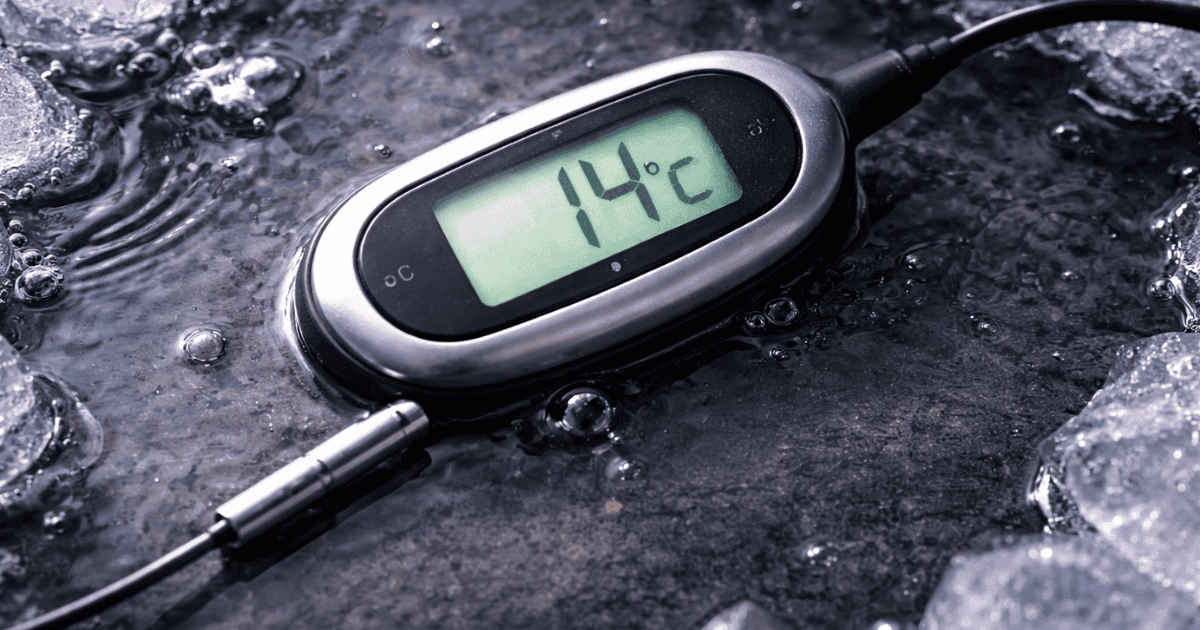
Research by Srámek and colleagues documented that cold water immersion at 14°C produced a 530% increase in plasma norepinephrine — the largest acute norepinephrine stimulus documented for any non-pharmacological intervention. At more practical temperatures (cold shower, approximately 15–20°C), the norepinephrine elevation is lower but still substantial — typically 200–300% above baseline — and persists for 3–4 hours following the exposure. This is the neurochemical basis of the mental clarity and sharpness that cold exposure practitioners consistently report: a real, large, sustained catecholamine elevation that improves prefrontal function through the same mechanism that prescription stimulant medications target, without the receptor downregulation and dependency risks that chronic pharmacological catecholamine elevation produces.
Dopamine: The Sustained Motivational Shift
Beyond the immediate norepinephrine surge, cold exposure produces a sustained dopamine elevation that distinguishes it neurochemically from other catecholamine-stimulating interventions. Research on cold water immersion and monoamine neurotransmitters documented dopamine increases of approximately 250% that persist significantly longer than the norepinephrine elevation — providing a prolonged motivational and mood-enhancing effect that extends well beyond the session itself. The dopaminergic component explains the characteristic post-cold-exposure mood elevation that practitioners describe: not merely the sharp alertness of norepinephrine activation, but a sustained sense of positive engagement and motivated readiness for the subsequent hours.
The dopamine mechanism has an additional significance: dopamine is the gating signal for prefrontal cortex function, modulating which information is updated into working memory and which is filtered out. The post-cold dopamine elevation improves this gating function — making the prefrontal cortex more discriminating and more efficiently selective in the hours following cold exposure, producing the cognitive state most conducive to the demanding, focused work that cognitive performance optimization aims to support.
The Anti-Inflammatory and Neuroprotective Effects
Beyond the acute neurochemical mechanisms, regular cold exposure produces longer-term neurobiological changes through anti-inflammatory pathways. Cold exposure reduces the production of pro-inflammatory cytokines including TNF-alpha and IL-6 — the same inflammatory mediators that impair synaptic plasticity and accelerate cognitive aging when chronically elevated. This anti-inflammatory effect complements the dietary and sleep-based neuroinflammation reduction strategies throughout NeuroEdge Formula, providing a third independent pathway to the reduced neuroinflammatory baseline that long-term brain health requires.
Cold exposure additionally activates brown adipose tissue thermogenesis through norepinephrine-driven beta-3 adrenergic receptor stimulation — a metabolic adaptation that improves insulin sensitivity, increases mitochondrial density, and produces systemic metabolic improvements that indirectly support brain health through the vascular and metabolic mechanisms described in the anti-inflammatory diet guide.
Autonomic Adaptation: Building Stress Resilience
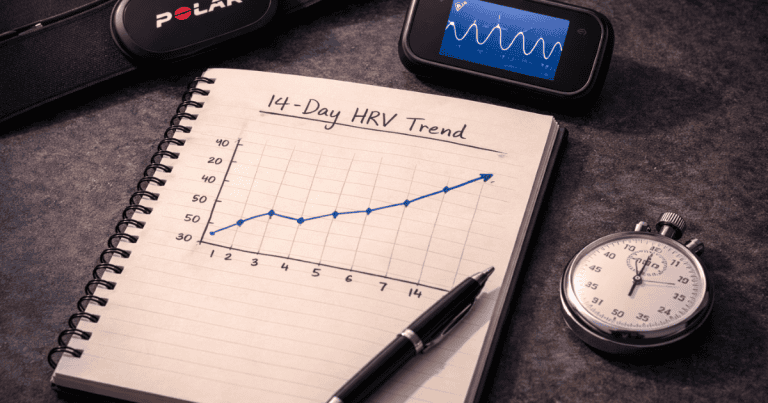
With regular practice over weeks, cold exposure produces autonomic nervous system adaptations that extend the benefits beyond the session window. The cold shock response — the involuntary hyperventilation and cardiovascular activation that cold water initially produces — is progressively dampened by repeated exposure through a habituation process that reflects genuine autonomic flexibility training. Regular cold exposure practitioners show improved heart rate variability, more rapid heart rate recovery from sympathetic activation, and reduced baseline sympathetic tone — reflecting the same ANS flexibility that HRV biofeedback training directly targets, achieved through a different but complementary mechanism.
This autonomic adaptation has direct cognitive implications: the prefrontal-vagal connectivity that high HRV reflects governs the top-down emotional regulation that determines cognitive performance under pressure — the ability to maintain focused, flexible thinking when stakes are high, deadlines are near, or situations are ambiguous. Cold exposure, practiced regularly, systematically trains the physiological substrate of stress resilience alongside its acute neurochemical cognitive enhancement effects.
Part 2: The Evidence-Based Cold Exposure Protocol
The Dose-Response Relationship: What Actually Matters
Cold exposure research reveals a dose-response relationship where temperature and duration interact to determine the neurochemical response. Lower temperatures produce larger acute norepinephrine responses; longer durations at moderate cold produce greater cumulative adaptation. For cognitive performance applications — where the acute norepinephrine and dopamine elevation is the primary target — the most efficient protocol is shorter duration at genuinely cold temperatures rather than longer duration at mildly cool temperatures.
The research-supported practical targets: water temperature of 15–20°C (59–68°F) for cold showers, 10–15°C (50–59°F) for cold water immersion. Duration of 2–5 minutes for cold showers, 2–4 minutes for cold immersion — sufficient to produce the full norepinephrine response without the hypothermia risk of extended exposure. The total weekly cold exposure associated with the most consistent cognitive and metabolic benefits in the research is approximately 11 minutes — achievable through five 2-minute cold shower finishes per week, or three 3–4 minute immersion sessions.
The Cold Shower Protocol: The Accessible Starting Point
The most practical entry point for cold exposure is the cold shower finish — completing an existing warm shower with 2–3 minutes of cold water at the coldest available temperature. This approach avoids the cold shock habituation challenge of starting cold, allows existing warm shower routines to remain intact, and requires no additional time or equipment. The transition from warm to cold provides a more dramatic thermal contrast that some research suggests produces a larger acute sympathetic response than starting cold — making the finish approach not merely more accessible but potentially more neurochemically effective.
Week 1–2 (Introduction): End every shower with 60 seconds of cold water at the coldest comfortable setting. Focus on controlling breathing — slow, deliberate exhales through the cold shock response rather than gasping. This breathing control is simultaneously training the vagal regulation that builds autonomic resilience and making the experience neurologically manageable rather than merely uncomfortable.
Week 3–4 (Extension): Extend cold finish to 90–120 seconds. Begin turning the temperature to the coldest available setting rather than the coldest comfortable setting. The habituation that develops over the first two weeks makes temperatures that initially felt impossible become manageable.
Week 5+ (Full Protocol): 2–3 minutes at maximum cold available, consistent 5 days per week. Timing: immediately before the primary cognitive work session of the day, exploiting the 3–4 hour norepinephrine elevation window for the work that most demands focused mental performance.
Cold Water Immersion: The Higher-Stimulus Option
For those with access to cold water immersion — cold plunge pools, natural cold water bodies, or ice baths — the full immersion protocol produces larger norepinephrine responses and more rapid autonomic adaptation than shower protocols at comparable temperatures. The whole-body thermal receptor activation of immersion drives a more complete sympathetic response than shower-only cold contact.
The protocol: 2–4 minutes at 10–15°C, 3–5 times per week. Entry should be deliberate rather than rapid plunging — the controlled entry with immediate breath control produces better physiological outcomes than shock-entry and reduces the cardiovascular risk of the cold shock response. Maintain slow, controlled breathing throughout — the calming of the initial hyperventilation response is itself an autonomic training exercise that compounds the session’s resilience-building benefits.
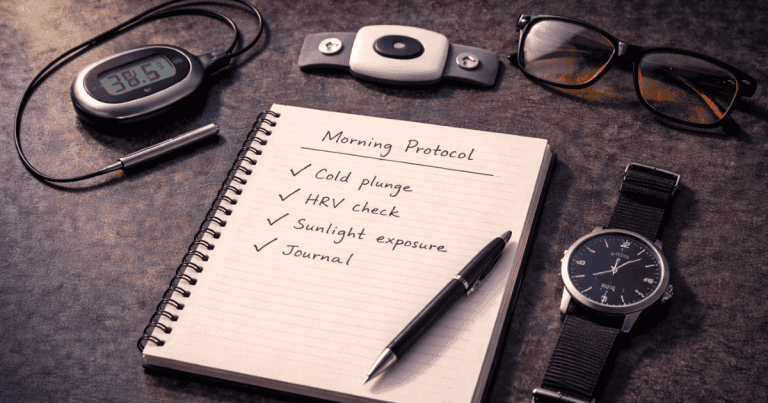
Timing considerations: Morning cold exposure exploits the natural cortisol awakening response as a neurochemical foundation that the norepinephrine surge amplifies. Post-exercise cold immersion reduces exercise-induced inflammation and accelerates recovery — but should be delayed 2–4 hours if the session immediately follows strength training where the inflammatory response is part of the adaptive signal. Never immediately pre-sleep — the sympathetic activation of cold exposure delays sleep onset by 1–2 hours and should be completed at least 4–6 hours before bed.
Free Download
Get the 7-Day Brain Optimization Protocol
The evidence-based diet, sleep, and supplement framework for your first week of cognitive enhancement — completely free.
Join 2,000+ readers optimizing their cognitive performance. Unsubscribe anytime.
Part 3: Integration With the NeuroEdge Formula Performance Stack
Cold exposure produces its strongest cognitive performance effects when integrated with the surrounding protocol rather than applied in isolation. The neurochemical mechanisms of cold exposure interact with the supplementation, exercise, and circadian timing protocols across NeuroEdge Formula in ways that produce synergistic effects not achievable from any individual intervention alone.
Cold exposure + caffeine-L-theanine: The norepinephrine elevation from cold exposure and the adenosine receptor blockade from caffeine address cognitive performance through complementary mechanisms — catecholamine elevation and adenosine system modulation respectively. Combining cold exposure with the caffeine-L-theanine protocol from the Focus hub produces additive alertness enhancement without the anxiety that high caffeine doses alone can generate — the parasympathetic component of L-theanine and the autonomic regulation training of cold exposure together buffer the sympathetic activation into the optimal moderate range.
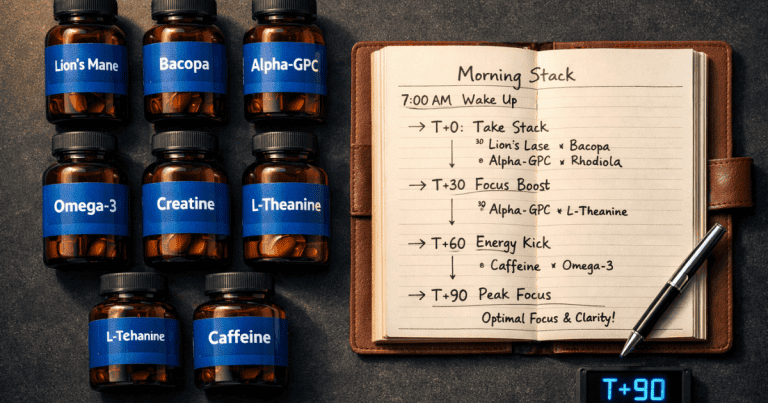
Cold exposure + aerobic exercise: The BDNF elevation from aerobic exercise and the norepinephrine elevation from cold exposure both peak within the same 1–2 hour post-activity window. Morning aerobic exercise followed immediately by cold exposure produces a combined neurochemical state — elevated BDNF, norepinephrine, and dopamine simultaneously — that represents the highest neuroplasticity and cognitive performance window available from lifestyle interventions. The subsequent 2–3 hours are optimal for demanding cognitive work, focused learning, or creative problem solving — and the supplementation timing (Alpha-GPC 30 minutes before this window, Lion’s Mane and Bacopa with morning food) amplifies what the behavioral protocol creates.
Cold exposure + mindfulness: The cold shock response — the involuntary breath disruption and physiological alarm that cold water initially triggers — is the most accessible and immediate mindfulness training environment available in daily life. Practicing slow, controlled breathing through the cold shock response trains the same prefrontal-vagal regulatory pathways that formal mindfulness practice develops — making daily cold exposure a functional, embodied mindfulness practice for those who find seated meditation difficult to sustain. The autonomic resilience gains from both practices are additive, producing faster HRV improvement than either produces alone.
Frequently Asked Questions About Cold Exposure and Cognitive Performance
Does cold exposure actually improve cognitive performance?
Yes — cold exposure produces measurable cognitive performance improvements through well-characterized neurochemical mechanisms, not merely through the alerting effect of thermal discomfort. The primary mechanism is norepinephrine elevation: cold water immersion produces 200–530% increases in plasma norepinephrine depending on water temperature, with the catecholamine elevation persisting for 3–4 hours following the exposure. Norepinephrine directly modulates prefrontal cortex function — improving working memory gating, sustained attention, and the signal-to-noise ratio of attentional systems — through the same receptors targeted by prescription stimulant medications for attention disorders. Cold exposure additionally produces a sustained dopamine elevation of approximately 250% that provides motivational and mood-enhancing effects extending beyond the norepinephrine window. The practical cognitive effects are consistent with the neuroscience: enhanced mental clarity, improved sustained focus, reduced susceptibility to distraction, and improved emotional regulation in the 2–4 hours following cold exposure sessions. These effects are not dependent on the experience of cold being pleasant — they occur through sympathetic activation mechanisms that operate independently of subjective comfort, which is why the cold shock adaptation that develops over 2–4 weeks of regular practice does not reduce the neurochemical benefits even as it reduces the subjective discomfort.
How long should a cold shower be to get the cognitive benefits?
The research supports that 2–3 minutes of cold water exposure at genuinely cold temperatures (15–20°C / 59–68°F for showers) produces sufficient norepinephrine elevation for meaningful cognitive performance benefit. The key variable is temperature rather than duration — a 60-second exposure at 10°C produces a larger norepinephrine response than a 5-minute exposure at 20°C. For practical cold shower protocols where the coldest available temperature is the target, 2–3 minutes is the evidence-supported sweet spot: sufficient duration to produce the full norepinephrine response without the extended cold stress that would require unnecessary recovery time. The weekly total cold exposure most consistently associated with cognitive and metabolic benefits in the research is approximately 11 minutes — achievable through five 2-minute cold shower finishes per week. For beginners, starting at 60 seconds and building by 20–30 seconds per week reaches the full 2–3 minute protocol over 4–6 weeks — a progression that allows cold shock habituation to develop without requiring immediate tolerance of the full duration.
Is it better to do cold exposure before or after exercise?
The optimal timing depends on the type of exercise and the primary performance goal. For cognitive performance optimization, cold exposure immediately after aerobic exercise produces the most beneficial combined neurochemical state: the BDNF elevation from aerobic exercise overlaps with the norepinephrine and dopamine surge from cold exposure, creating a simultaneously elevated neuroplasticity and attentional performance window that is optimal for demanding cognitive work in the subsequent 2–3 hours. For strength and hypertrophy training, cold immersion immediately post-workout blunts the inflammatory response that is part of the muscle adaptation signal — reducing long-term strength gains. Strength training athletes who want cold exposure benefits should either do cold exposure before training (not after), or wait 4–6 hours post-strength training before cold immersion. For aerobic fitness, cold exposure post-cardio does not meaningfully impair adaptation and may enhance recovery. The practical recommendation for most cognitively-focused individuals: aerobic exercise (20–30 minutes) → cold exposure (2–3 minutes) → 90-minute focused cognitive work window. This sequence exploits both the BDNF-learning window from exercise and the norepinephrine-focus window from cold exposure simultaneously.
What temperature should cold exposure be for cognitive benefits?
The norepinephrine response to cold exposure follows a temperature-response relationship: colder temperatures produce larger acute catecholamine responses. The research benchmark is Srámek’s finding of 530% norepinephrine elevation at 14°C (57°F) full immersion. For practical shower protocols, the coldest available tap water in most climates (typically 10–20°C / 50–68°F depending on season and location) produces meaningful norepinephrine elevation — generally in the 200–300% range — sufficient for significant cognitive performance benefit. The threshold below which cold exposure reliably produces the sympathetic activation required for meaningful catecholamine response is approximately 20°C (68°F) — water above this temperature is unlikely to produce the full norepinephrine response. For cold immersion protocols targeting maximum neurochemical response, 10–15°C (50–59°F) represents the most evidence-supported range — cold enough to produce large catecholamine elevation, warm enough to allow 3–4 minutes of exposure without hypothermia risk in adapted individuals. The most important practical principle: colder is more effective up to the point where the duration required to produce the full response cannot be safely sustained. A 2-minute exposure at 10°C produces more cognitive benefit than a 5-minute exposure at 18°C — prioritizing temperature over duration within safe limits.
How long does it take to adapt to cold exposure?
Cold shock habituation — the reduction of the involuntary hyperventilation, cardiovascular surge, and subjective panic that cold water initially produces — develops remarkably quickly with regular practice. Research on cold water adaptation found that the cold shock response is significantly reduced after just 5–6 cold water immersions, with the majority of habituation occurring within the first 2 weeks of daily or near-daily exposure. The practical experience matches the research: what feels genuinely alarming on day one becomes merely uncomfortable by day seven, and comfortably manageable by week three. Critically, this habituation affects the subjective experience and the cardiovascular cold shock components without proportionally reducing the norepinephrine and dopamine responses that produce the cognitive performance benefits — meaning that cold exposure becomes both more comfortable and no less neurochemically effective with practice. The autonomic resilience benefits — improved HRV, faster sympathetic recovery, reduced stress reactivity — develop more slowly, typically over 4–8 weeks of consistent practice, and continue improving with sustained application. The recommendation is consistent: begin with the cold shower finish protocol immediately and build the protocol progressively over the first month — the adaptation makes the escalation feel natural rather than forced.
Cold Exposure: The Free, Fast Neurochemical Reset
Cold exposure is the biohacking intervention with the most favorable profile of any in this hub: the mechanism is well-established, the effect is large and rapid, the cost is zero, the equipment is a shower that already exists, and the results are perceptible within the first week. The 530% norepinephrine elevation from cold immersion is not exceeded by any non-pharmacological cognitive performance intervention in the research literature — and unlike pharmacological catecholamine elevation, cold exposure produces this response without receptor downregulation, dependency, or cardiovascular side effects at appropriate doses.
The two-week commitment required to get past the habituation discomfort and into the regular practice is the only meaningful barrier — and it is a barrier that dissolves quickly once the cognitive performance benefits in the subsequent hours provide direct experiential reinforcement of why the discomfort is worth it. In my own practice, the morning cold shower finish has become the single most reliable acute cognitive performance tool I use daily — more consistent than caffeine in its effects, faster than any supplement in its onset, and free in a way that makes it accessible regardless of budget or circumstance.
For the complete biohacking context, see the biohacking pillar guide. For the intermittent fasting protocols that pair with morning cold exposure in the integrated morning stack, see the intermittent fasting guide. For the HRV training that compounds the autonomic benefits of cold exposure, see the HRV training guide.
References
- Srámek, P., et al. (2000). Human physiological responses to immersion into water of different temperatures. European Journal of Applied Physiology, 81(5), 436–442. PubMed
- Shevchuk, N.A. (2008). Adapted cold shower as a potential treatment for depression. Medical Hypotheses, 70(5), 995–1001. PubMed
- Tipton, M.J., et al. (1994). The initial responses to cold water immersion in man. Clinical Science, 77(6), 581–588. PubMed
- Janský, L., et al. (1996). Immune system of cold-exposed and cold-adapted humans. European Journal of Applied Physiology, 72(5), 445–450. PubMed
- van der Lans, A.A., et al. (2013). Cold acclimation recruits human brown fat and increases nonshivering thermogenesis. Journal of Clinical Investigation, 123(8), 3395–3403. PubMed
- Lehrer, P.M., & Gevirtz, R. (2014). Heart rate variability biofeedback. Frontiers in Psychology, 5, 756. PubMed
- Castellani, J.W., & Young, A.J. (2016). Human physiological responses to cold exposure: Acute responses and acclimatization to prolonged exposure. Autonomic Neuroscience, 196, 63–74. PubMed
- Mäkinen, T.M., et al. (2008). Autonomic nervous function during whole-body cold exposure. Journal of Applied Physiology, 105(5), 1523–1531. PubMed
Tags: cold exposure cognitive performance, cold shower benefits brain, cold water immersion norepinephrine, cold exposure dopamine, cold thermogenesis brain, cold shower mental clarity, cold plunge cognitive benefits, cold exposure protocol, cold shock response adaptation, cold exposure HRV, cold exposure BDNF, cold shower focus, cold immersion stress resilience, cold exposure biohacking, brown adipose tissue cold exposure
About Peter Benson
Peter Benson is a cognitive enhancement researcher and certified mindfulness coach with 18+ years of systematic self-experimentation in biohacking, nootropics, and brain health optimization. He practices daily cold exposure as a core element of his cognitive performance protocol and has documented its effects systematically across years of personal application. NeuroEdge Formula is his platform for sharing rigorous, safety-first cognitive enhancement guidance.