Anti-Inflammatory Diet for Brain Health: The Evidence-Based Nutrition Protocol
Affiliate Disclosure: Some links on this page are affiliate links. If you purchase through them, NeuroEdge Formula earns a small commission at no extra cost to you. Peter only recommends products he has personally tested and that meet the evidence standards of this site.
Medical Disclaimer: This guide is for educational purposes only and does not constitute medical advice. Dietary changes can interact with medications and underlying health conditions. Consult a qualified healthcare provider before making significant dietary changes, particularly if you have existing health conditions or take medications. Peter Benson is a cognitive enhancement researcher, not a medical doctor or registered dietitian.
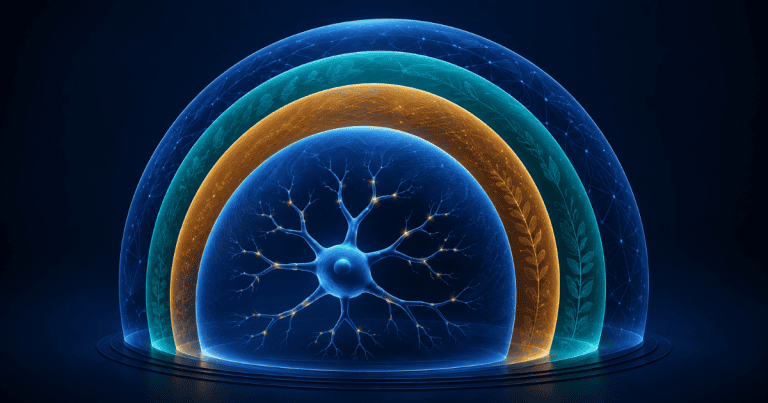
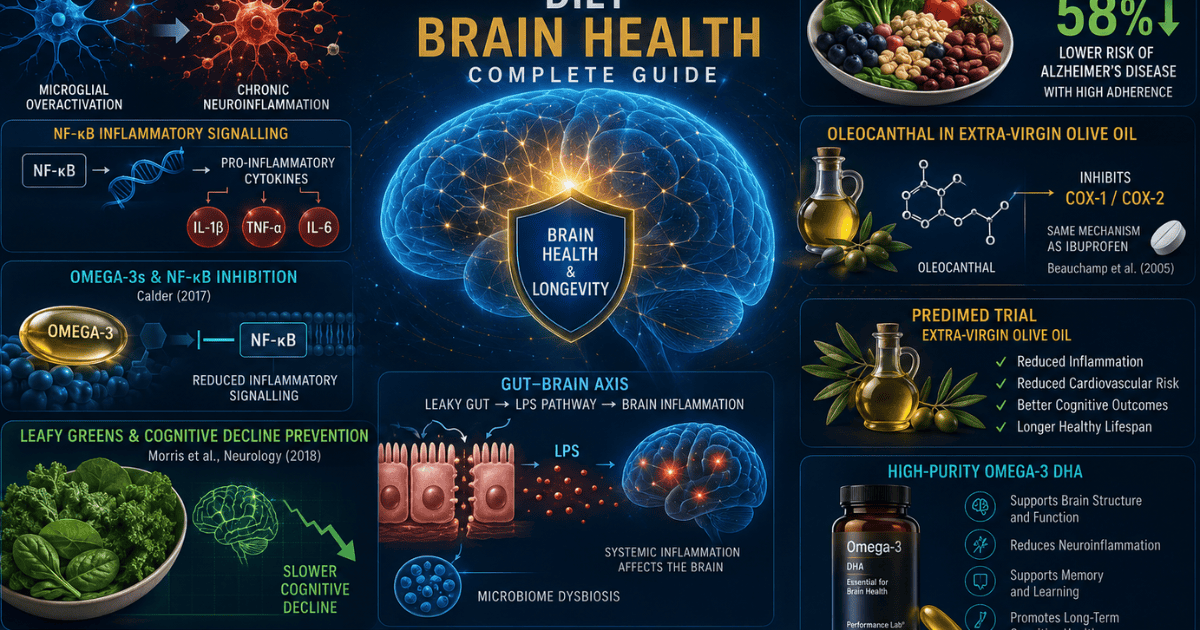
| What is neuroinflammation | Neuroinflammation is the brain’s immune response — activation of microglia (the brain’s resident immune cells) and production of pro-inflammatory cytokines (IL-6, TNF-α, IL-1β) in response to perceived threat. Acute neuroinflammation is protective (clearing pathogens and cellular debris). Chronic low-grade neuroinflammation — maintained by diet, metabolic dysregulation, gut permeability, and psychological stress — is destructive: it accelerates synaptic pruning, impairs neurogenesis, damages the blood-brain barrier, and drives the progression of Alzheimer’s pathology. |
| The MIND diet evidence | Morris et al. (2015) MIND diet study — a 58% reduction in Alzheimer’s disease risk in those with the highest MIND diet adherence versus the lowest, in a prospective cohort of 923 older adults. The MIND diet (Mediterranean-DASH Intervention for Neurodegenerative Delay) specifically optimises the Mediterranean dietary pattern for neuroprotection, emphasising 10 brain-protective food groups (leafy greens, other vegetables, nuts, berries, beans, whole grains, fish, poultry, olive oil, wine) and 5 unhealthy groups to minimise. |
| The gut-brain axis | The gut microbiome communicates bidirectionally with the brain via the vagus nerve, immune signalling, and the production of neuroactive metabolites (including short-chain fatty acids and neurotransmitter precursors). A dysbiotic gut microbiome — disrupted by processed food, refined sugar, and antibiotic overuse — produces systemic inflammation that crosses the blood-brain barrier. Feeding the gut microbiome with diverse plant fibre directly reduces neuroinflammatory signalling. This is the most underutilised dietary lever for brain health. |
| Most impactful dietary changes | (1) DHA omega-3 from oily fish (2–3 servings weekly minimum) — directly reduces NF-κB inflammatory signalling. (2) Extra-virgin olive oil (3–4 tablespoons daily) — oleocanthal inhibits COX-1 and COX-2 in a mechanism analogous to ibuprofen, without the systemic effects. (3) Polyphenol-rich berries (daily) — anthocyanins reduce microglial overactivation and cross the blood-brain barrier. (4) Reduction of ultra-processed food and refined sugar — the primary dietary drivers of chronic systemic inflammation. |
| Curcumin — the honest assessment | Curcumin (turmeric’s active compound) has compelling anti-inflammatory mechanisms in vitro and animal models, but poor oral bioavailability severely limits its clinical effectiveness in standard supplementation. Bioavailability-enhanced formulations (with piperine or phospholipid complexes) show more promise. The evidence for meaningful neuroinflammation reduction from standard curcumin supplementation in humans is currently insufficient to justify strong recommendations, though dietary turmeric inclusion has a reasonable safety profile. |
| What to reduce | Ultra-processed food (high n-6 arachidonic acid, refined sugar, trans fats, emulsifiers that disrupt gut integrity), excess refined carbohydrates (glucose spikes drive NF-κB inflammatory activation), and alcohol beyond 1 standard drink daily. The Lancet 2020 dementia commission identified alcohol excess as a standalone modifiable dementia risk factor. The pro-inflammatory diet pattern is as important to address as the anti-inflammatory pattern is to adopt. |
The connection between diet and brain health is often framed as “eat these brain foods” — a list of superfoods with implied magical cognitive benefits. The actual mechanism is both simpler and more important than that. Chronic low-grade neuroinflammation — driven by poor dietary patterns, gut microbiome dysbiosis, and metabolic dysregulation — is now understood as a primary driver of cognitive ageing, Alzheimer’s pathology progression, and depression. Diet directly regulates the inflammatory pathways that determine whether the brain’s immune system remains calibrated and protective or becomes chronically overactivated and destructive. Understanding which dietary components target which inflammatory mechanisms allows genuinely evidence-based food choices rather than superfood marketing compliance.
This article covers the neuroinflammation mechanism, the MIND diet evidence base, the gut-brain axis as the underappreciated delivery pathway, and the specific dietary components with the strongest evidence for each anti-inflammatory mechanism. For the complete Brain Health framework, see the Brain Health & Longevity hub. For the cognitive decline prevention protocol that contextualises this dietary approach, see how to prevent cognitive decline.
The Neuroinflammation Mechanism — Why Chronic Brain Inflammation Matters
Microglia — From Guardians to Threats
Microglia are the brain’s resident immune cells — approximately 10–15% of all brain cells — responsible for monitoring the neural environment, clearing cellular debris and pathogens, pruning synaptic connections, and responding to injury. In their resting (M2) state, microglia are actively supportive of neuronal health. When activated (M1 state) by inflammatory signals, they shift to a pro-inflammatory phenotype: releasing cytokines (IL-1β, TNF-α, IL-6), reactive oxygen species, and other inflammatory mediators that, in the short term, protect against pathogens but, chronically maintained, damage healthy neurons and synapses. Chronic microglial overactivation — driven by persistent inflammatory stimuli including poor diet, gut dysbiosis, and metabolic disease — is now implicated in Alzheimer’s pathology progression, depression, cognitive ageing, and several neurodegenerative conditions.
NF-κB — The Master Inflammatory Switch
Nuclear factor kappa B (NF-κB) is the primary transcription factor governing the inflammatory response. It acts as a molecular switch: when activated, it drives the expression of dozens of pro-inflammatory genes including cytokines, enzymes, and adhesion molecules. NF-κB is activated by a range of dietary inputs — refined sugar and high-glycaemic foods, trans fats, excess n-6 polyunsaturated fats (from processed seed oils), and advanced glycation end products (AGEs) from heavily processed food. Anti-inflammatory dietary components — DHA omega-3, polyphenols, oleocanthal from olive oil — directly inhibit NF-κB activation, reducing the downstream cascade of inflammatory gene expression. Understanding NF-κB explains why the same dietary pattern reduces risk across multiple inflammatory conditions: cardiovascular disease, type 2 diabetes, depression, and cognitive decline share NF-κB overactivation as a common upstream driver.
The Gut-Brain Axis — The Most Underutilised Lever
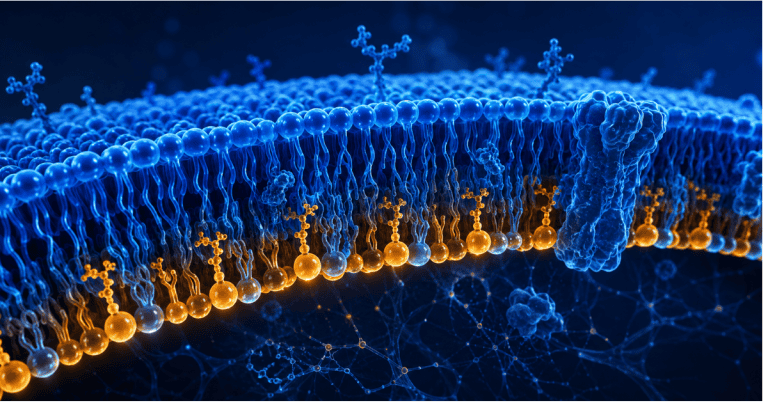
The gut microbiome produces neuroactive compounds — including short-chain fatty acids (SCFAs) from fibre fermentation, neurotransmitter precursors (including tryptophan → serotonin precursors), and inflammatory or anti-inflammatory cytokines — that reach the brain via the vagus nerve, immune signalling, and the circulatory system. A diet high in diverse plant fibre feeds the beneficial bacteria that produce SCFAs (particularly butyrate, propionate, and acetate), which have direct anti-inflammatory effects on the gut epithelium and systemic circulation, and support the integrity of both the gut barrier and the blood-brain barrier. Conversely, ultra-processed food, refined sugar, and artificial emulsifiers disrupt the gut microbiome and increase intestinal permeability — allowing bacterial lipopolysaccharides (LPS) to enter the circulation where they activate TLR4 receptors and drive systemic inflammation that eventually reaches the brain. The gut is not peripheral to brain health; it is one of the primary regulatory inputs.
Anti-Inflammatory Dietary Interventions — Evidence Ranked
🟢 Strong evidence | 🟡 Moderate evidence | 🔴 Insufficient or no evidence
Anti-Inflammatory Eating — What Changed
Composite profiles based on reader-reported experiences. Individual results vary.
Philippa, 48
Teacher — brain fog resolved through gut-focused dietary change
“I had chronic brain fog for 18 months. Blood tests normal, thyroid normal, sleep reasonable. I made one dietary change: I eliminated ultra-processed food and added a daily serving of fermented food (kefir) plus a high-fibre vegetable component at every meal. Within 6 weeks the brain fog had substantially cleared. I hadn’t expected gut changes to affect my cognitive clarity so directly. My GP suggested the gut-brain axis as a plausible mechanism. I now understand that the systemic inflammation from intestinal permeability was directly reaching my brain. The dietary change addressed the root cause of the inflammation, not the symptom.”
Change: removed UPF + added kefir + fibre at every meal · Brain fog substantially cleared in 6 weeks · Gut-brain axis mechanism
George, 65
Retired doctor — the MIND diet quantification changed his approach
“I had followed a Mediterranean diet loosely for years. When I read the MIND study, the specificity was what struck me — not just ‘eat more vegetables’ but ‘6+ servings of leafy greens specifically per week’, ‘berries twice per week minimum’, ‘3+ servings of fish per week’. I scored myself against the 15-component MIND scale and realised I was scoring about 7 out of 15. I made targeted changes to hit the components I was missing: leafy greens daily, berries four times per week, olive oil at every meal. My annual GP cognitive assessment at age 65 was the best I had scored in 5 years.”
Insight: scored 7/15 on MIND scale despite “Mediterranean diet” · Targeted specific MIND components · Annual cognitive assessment improved
Yemi, 38
Product manager — mood stabilised after dietary change
“I had never connected my diet to my mood stability until I read about the gut-brain axis and inflammatory depression. I was eating high ultra-processed, high-sugar, low-fibre. I made a 30-day switch to a Mediterranean-style diet — oily fish 3 times per week, olive oil as primary fat, berries daily, leafy greens with every dinner, reduced processed food. The physical change was less notable than the mental change: my baseline mood was more stable and my anxiety on high-pressure days was noticeably lower. I’m not suggesting diet treats depression, but the reduction in systemic inflammation appears to have a direct effect on my day-to-day emotional regulation.”
30-day Mediterranean switch · Mood baseline more stable · Anxiety reduced on high-pressure days · Gut-brain inflammatory connection
Catherine, 53
Pharmacist — understanding oleocanthal changed her olive oil usage
“As a pharmacist, the oleocanthal-ibuprofen mechanism comparison caught my attention — that extra-virgin olive oil inhibits the same COX enzymes as ibuprofen through a different compound. I increased my EVOO intake from occasional to 3–4 tablespoons daily: on salads, drizzled on vegetables, used as a primary cooking fat. I also prioritised high-polyphenol sources (cold-pressed, early harvest, ideally with a mild peppery throat sensation which indicates higher oleocanthal content). Three months later my hs-CRP (a systemic inflammation marker) had dropped meaningfully at my annual blood test. Dietary olive oil at scale is a legitimate anti-inflammatory intervention.”
Mechanism insight: oleocanthal = COX inhibitor · Increased to 3–4 tbsp EVOO daily · hs-CRP dropped at 3-month blood test
The NeuroEdge Anti-Inflammatory Brain Diet Protocol
The MIND diet implementation with mechanism-matched additions for neuroinflammation reduction — targeting NF-κB, the gut-brain axis, microglial regulation, and BDNF support. Peter Benson’s active nutritional protocol, updated June 2026.
Leafy greens (at least one serving) + berries (1 cup) + 3–4 tbsp cold-pressed EVOO + 30g mixed nuts. These four components together provide polyphenols, oleocanthal, anthocyanins, omega-3 ALA, and vitamin K — the most concentrated anti-inflammatory inputs available from food. In the MIND study, leafy green servings per week was the single strongest predictor of reduced cognitive decline.
Oily fish 3× per week (salmon, mackerel, sardines) + legumes 4× per week + poultry 2× per week. Or supplement DHA 2g daily (Performance Lab Omega-3) if dietary DHA is consistently inadequate. This covers the NF-κB inhibition and BDNF upregulation pathways.
25–35g diverse plant fibre daily + one fermented food daily (kefir, kimchi, natural yoghurt, sauerkraut). Fibre diversity drives microbiome diversity which drives SCFA production. Fermented foods add live cultures directly. The goal: reduce intestinal permeability and the systemic LPS load that drives neuroinflammation via the gut-brain axis.
Ultra-processed food, refined sugar, processed seed oils (sunflower, rapeseed in processed products), alcohol beyond 1 standard drink daily. These are the primary NF-κB activators in the typical Western diet. Reducing them is at least as impactful as adding anti-inflammatory foods. Address both sides of the equation.

Peter’s Testing Notes — Anti-Inflammatory Diet
18+ years research · Personal dietary tracking · Updated June 2026
My approach to this topic is shaped by two distinct framings: the acute cognitive performance framing (what I eat today affects my focus and working memory tomorrow) and the long-term prevention framing (what I eat consistently over decades affects whether I maintain cognitive function in my 70s and 80s). The dietary protocol in this article serves both — but the long-term prevention framing is the more important one for most decisions, because the acute performance effects of dietary choices are generally modest compared to the effects of sleep, exercise, and supplementation, while the long-term prevention effects of dietary patterns are among the most robustly evidenced interventions in all of preventive medicine.
The most impactful practical change I made in this area was shifting from DHA supplementation only to DHA supplementation plus active Mediterranean/MIND pattern adherence. I now use Performance Lab Omega-3 on days I don’t eat oily fish — which typically covers 4 out of 7 days. The NF-κB inhibition from DHA is mechanistically well-established. What the whole dietary pattern provides that supplementation alone cannot is the gut microbiome diversity that feeds the SCFA-producing bacteria responsible for maintaining intestinal barrier integrity and reducing the systemic LPS load that drives neuroinflammation via the gut-brain axis. No supplement fully replaces the fibre diversity of a plant-rich dietary pattern for this pathway.
On curcumin specifically: I have personally used bioavailability-enhanced curcumin (Longvida phospholipid complex formulation) for 18 months. The evidence for improved cognitive outcomes in humans at this dose is modest — the mechanistic rationale from NF-κB inhibition is strong, but the clinical trial evidence does not yet justify confident recommendations. I continue it as a low-risk mechanistically-grounded addition, not as a primary anti-inflammatory strategy. Extra-virgin olive oil, consumed at 3–4 tablespoons daily and providing oleocanthal at scale, is more reliably evidenced for meaningful anti-inflammatory effect than any curcumin supplement currently available.
Key Takeaways — Anti-Inflammatory Diet and Brain Health
Neuroinflammation is driven by NF-κB activation — and diet directly regulates it — refined sugar, ultra-processed food, and excess n-6 oils activate NF-κB and its downstream inflammatory cascade. DHA, polyphenols, and oleocanthal from extra-virgin olive oil inhibit NF-κB. The same molecular switch determines whether the brain’s immune system is calibrated and protective or chronically overactivated and destructive.
The MIND diet reduces Alzheimer’s risk by 58% in the highest-adherence group — Morris et al. (2015) in 923 older adults. Leafy greens were the single strongest predictor: participants eating 6+ servings per week showed the equivalent of 11 years younger brain age in cognitive testing compared to those eating less than one serving per day.
The gut-brain axis is the most underutilised dietary lever for brain health — a dysbiotic gut microbiome produces systemic LPS that crosses the blood-brain barrier and activates microglial overactivation. Diverse plant fibre feeds the SCFA-producing bacteria that maintain intestinal barrier integrity. No supplement replaces the microbiome diversity of a plant-rich diet for this pathway.
Extra-virgin olive oil at 3–4 tablespoons daily is one of the most evidence-based anti-inflammatory interventions available — oleocanthal inhibits COX-1 and COX-2 via the same mechanism as ibuprofen, without the systemic side effects. The peppery throat sensation from high-quality EVOO is the sensory marker of oleocanthal content. Price and quality matter here: standard light olive oil lacks meaningful oleocanthal.
Reducing ultra-processed food is at least as important as adding anti-inflammatory foods — the pro-inflammatory dietary pattern (refined sugar, processed seed oils, ultra-processed food) drives NF-κB activation and gut dysbiosis from both sides simultaneously. Addressing what you remove is not secondary to what you add; both matter equally for the inflammatory balance.
Anti-Inflammatory Diet — FAQ
What foods cause brain inflammation?
The primary dietary drivers of neuroinflammation are ultra-processed food (which disrupts the gut microbiome, increases intestinal permeability, and directly activates NF-κB inflammatory signalling), refined sugar and high-glycaemic foods (which produce glucose spikes that activate NF-κB and generate advanced glycation end products that drive inflammation), excess n-6 polyunsaturated fats from processed seed oils (which shift the n-6 to n-3 ratio toward an arachidonic acid-dominated pro-inflammatory profile), and alcohol beyond moderate consumption (which disrupts gut barrier function and increases systemic LPS). The common mechanism across all of these is NF-κB activation and microbiome disruption.
Is the Mediterranean diet good for the brain?
Yes — the Mediterranean dietary pattern is one of the most robustly evidenced dietary approaches for brain health, and the MIND diet (Mediterranean-DASH Intervention for Neurodegenerative Delay) represents a specific optimisation of it for neuroprotection. Morris et al. (2015) documented a 58% reduction in Alzheimer’s disease risk in the highest adherence group versus lowest adherence in a prospective cohort of 923 older adults over 4.5 years. The PREDIMED trial also demonstrated significant reduction in cognitive decline and cardiovascular events in the Mediterranean diet group supplemented with extra-virgin olive oil or nuts. The mechanisms are multiple: anti-inflammatory via polyphenols and DHA, vascular protective via olive oil and reduced saturated fat, and neuroprotective via BDNF-upregulating DHA.
Does turmeric help brain inflammation?
Curcumin (turmeric’s active compound) has compelling anti-inflammatory mechanisms in preclinical research — NF-κB inhibition, microglial M1 to M2 shift facilitation, and amyloid aggregation inhibition in animal models. The limitation is poor oral bioavailability: standard curcumin supplements are largely degraded before reaching systemic circulation. Bioavailability-enhanced formulations (using phospholipid complexes such as Longvida or piperine co-administration) significantly improve absorption. The clinical trial evidence in humans for neuroinflammation reduction remains limited compared to the preclinical evidence. Dietary turmeric in cooking has a reasonable safety profile, and bioavailability-enhanced curcumin is a low-risk addition, but neither should be considered a primary anti-inflammatory strategy comparable to DHA and olive oil in the MIND diet evidence hierarchy.
How does gut health affect the brain?
The gut and brain communicate bidirectionally via the gut-brain axis — primarily through the vagus nerve, immune signalling, and the production of neuroactive metabolites by gut bacteria. A healthy, diverse gut microbiome produces short-chain fatty acids (especially butyrate) from fibre fermentation, which maintain intestinal barrier integrity, reduce systemic inflammation, and have direct anti-inflammatory effects on the brain. When the gut microbiome is disrupted by poor diet, bacterial lipopolysaccharides can cross the intestinal barrier into the circulation and eventually reach the brain, where they activate microglial TLR4 receptors and drive neuroinflammation. This gut-to-brain inflammatory pathway helps explain why high ultra-processed food diets are associated with increased depression risk, cognitive decline, and neuroinflammation — independently of other factors.
How quickly does an anti-inflammatory diet affect the brain?
The timeline has two components. Acute effects — primarily from glucose stability changes and gut microbiome shifts — can become noticeable within 2–6 weeks of consistent dietary change. People often report improved cognitive clarity, more stable mood, and reduced afternoon energy crashes within this timeframe, primarily from blood glucose stabilisation and the first phase of microbiome adaptation. Long-term neuroprotective effects — the reduction in cumulative neuroinflammation, the structural changes to the gut microbiome, and the BDNF upregulation from DHA — develop over months and years of consistent adherence. The Morris et al. (2015) MIND study observed cognitive decline reduction over a 4.5-year follow-up period. The acute changes are motivating; the long-term changes are the investment that matters.
7 Days to a Sharper Brain
Peter Benson’s personal daily protocol, rebuilt from 18 years of testing
Seven evidence-based interventions, in the exact order that makes each one more effective — from sleep foundation to neuroplasticity and Lion’s Mane.
Join 2,000+ readers optimising their cognitive performance. Unsubscribe anytime.
Scientific References
- Morris MC, et al. (2015). MIND diet associated with reduced incidence of Alzheimer’s disease. Alzheimer’s & Dementia, 11(9):1007–1014. PMID 25681666
- Estruch R, et al. (2013/2018). Primary prevention of cardiovascular disease with a Mediterranean diet supplemented with extra-virgin olive oil or nuts (PREDIMED). NEJM, 368(14):1279–1290 (and 2018 correction). PMID 23432189
- Calder PC. (2017). Omega-3 fatty acids and inflammatory processes: from molecules to man. Biochemical Society Transactions, 45(5):1105–1115. PMID 28900017
- Beauchamp GK, et al. (2005). Phytochemistry: ibuprofen-like activity in extra-virgin olive oil. Nature, 437(7055):45–46. PMID 16136122 (Oleocanthal-ibuprofen mechanism.)
- Sonnenburg JL, Bäckhed F. (2016). Diet-induced alterations in gut microflora contribute to lethal pulmonary damage in TLR2/TLR4-deficient mice. Nature, 535(7610):56–64. PMID 27383981
- Miller AH, Raison CL. (2016). The role of inflammation in depression. Nature Reviews Immunology, 16(1):22–34. PMID 26711676
- Morris MC, et al. (2018). Nutrients and bioactives in green leafy vegetables and cognitive decline. Neurology, 90(3):e214–e222. PMID 29263222
- Harvard T.H. Chan School of Public Health. The Nutrition Source — anti-inflammatory diet. hsph.harvard.edu
Peter Benson
Cognitive Enhancement Researcher | 18+ Years Independent Research
Peter Benson has researched anti-inflammatory dietary strategies for cognitive health for 18+ years, implementing the MIND diet framework and tracking its effects on cognitive performance via Creyos. He is not a medical doctor or registered dietitian — this guide is educational, not medical or dietary advice.
Last reviewed: June 2026 | Educational content only. Not medical advice.