Phosphatidylserine: Benefits, Dosage and the Evidence Gap
Phosphatidylserine’s reputation rests on bovine-PS trials. The soy PS sold today has mixed results. Dose, the FDA claim and cautions.
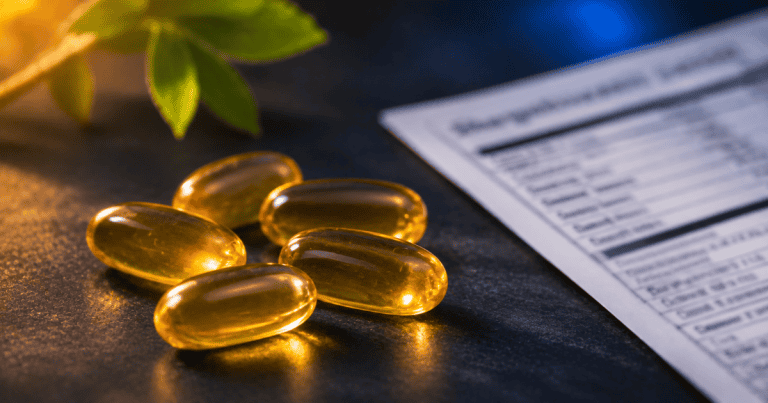
Phosphatidylserine’s reputation rests on bovine-PS trials. The soy PS sold today has mixed results. Dose, the FDA claim and cautions.
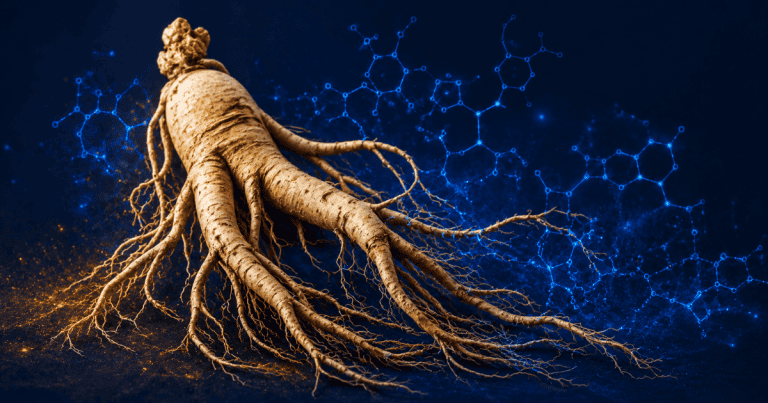
Panax ginseng’s best evidence is for resisting mental Panax ginseng’s best evidence is for resisting mental fatigue during long, demanding work. The benefits in healthy adults are small and inconsistent. Here is what the trials and reviews found. during long, demanding work. The benefits in healthy adults are small and inconsistent. Here is what the trials and reviews found.
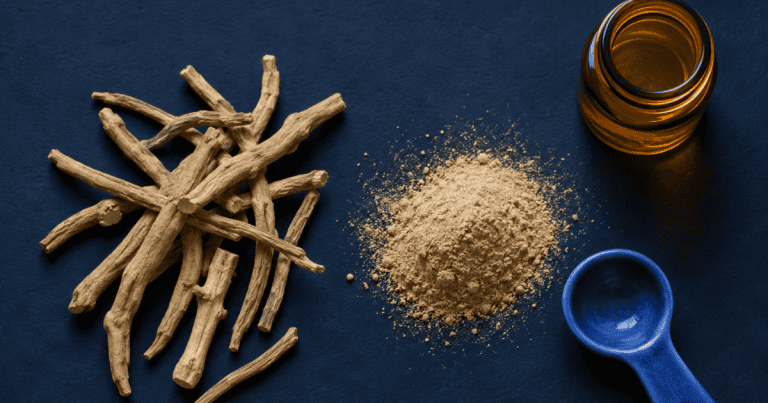
Ashwagandha’s best evidence is for stress, with small effects on sleep. What the trials show, the rare liver-injury risk, and who should avoid it.
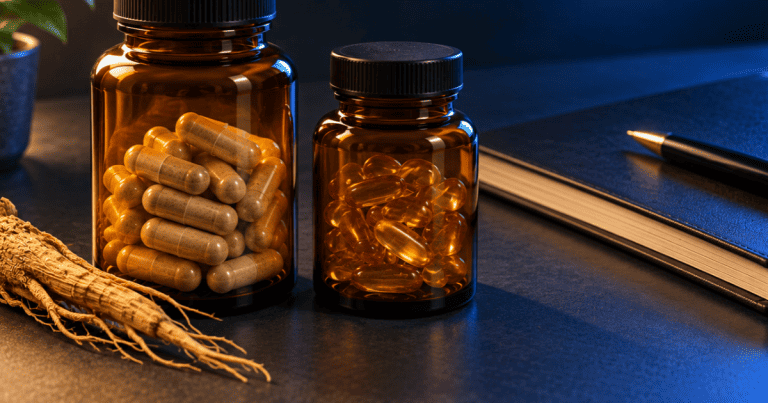
Alpha-GPC and Rhodiola are sold as a focus stack, but the pair has never been tested together. Here is what each one’s evidence shows, and the risks.

Lion’s Mane has a promising mechanism and thin human evidence. Here is what the trials show, how products differ, the safety risks and how to test it.
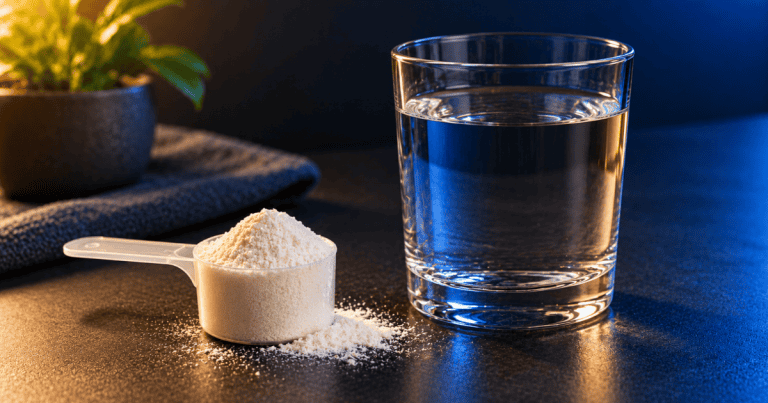
Creatine’s brain benefits are smaller and less certain than its reputation. Here is what the trials, the meta-analyses and the EU regulator found.

Ashwagandha KSM-66 has a more rigorous clinical evidence base than almost anyone in the nootropic community appreciates — including a trial showing 27.9% cortisol reduction with direct serum measurement and across-the-board cognitive improvements in healthy adults at 8 weeks. After 18+ years of research, here is the complete evidence-based guide to the stress substrate compound that determines how well everything else in the protocol performs.
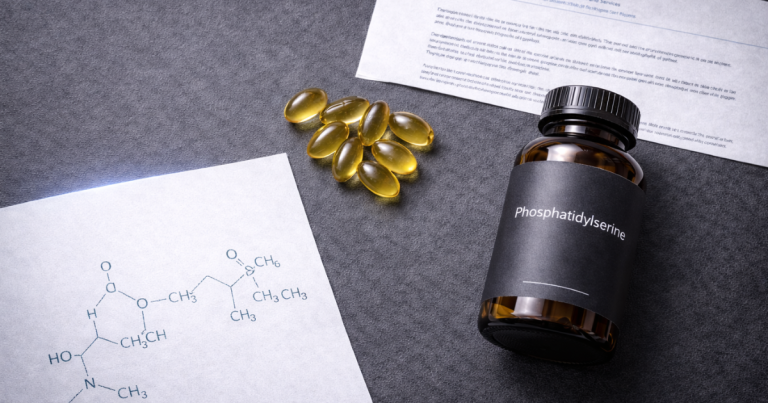
Phosphatidylserine is the only nootropic compound with an FDA qualified health claim for cognitive function — a regulatory distinction every serious cognitive enhancement researcher should understand. After 18+ years of research and a trial reversing 12 years of age-related cognitive decline, here is the complete evidence-based guide to the compound that holds the advanced stack together at the structural level.
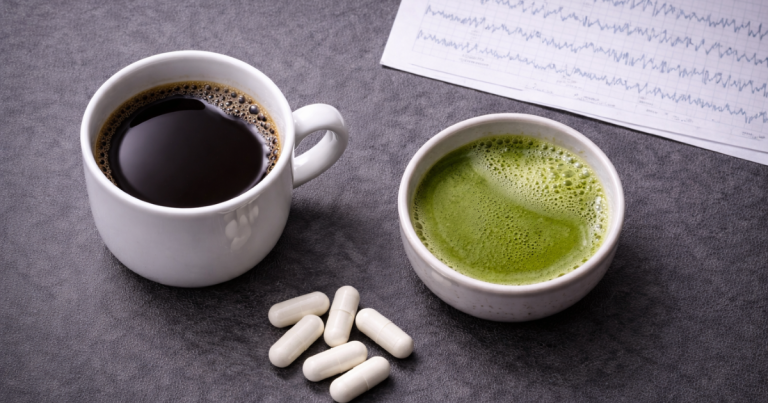
Caffeine and L-theanine is the most referenced stack in this series — and the most under-explained. After 18+ years of research and multiple neuroimaging trials confirming genuine synergistic effects, here is the complete evidence-based guide: how the combination works, what the Haskell and Foxe studies actually showed, the 1:2 ratio protocol, and the tolerance management framework that makes it sustainable.
Alpha-GPC’s trials were mostly in people with dementia. Here is what they found, the little evidence in healthy adults, the doses used and the open question on stroke risk.