Active Recall
Rereading feels productive but rarely builds durable memory. Active recall — retrieving instead of reviewing — is one of the best-evidenced techniques in learning science. Here’s why, and how to do it.

Rereading feels productive but rarely builds durable memory. Active recall — retrieving instead of reviewing — is one of the best-evidenced techniques in learning science. Here’s why, and how to do it.
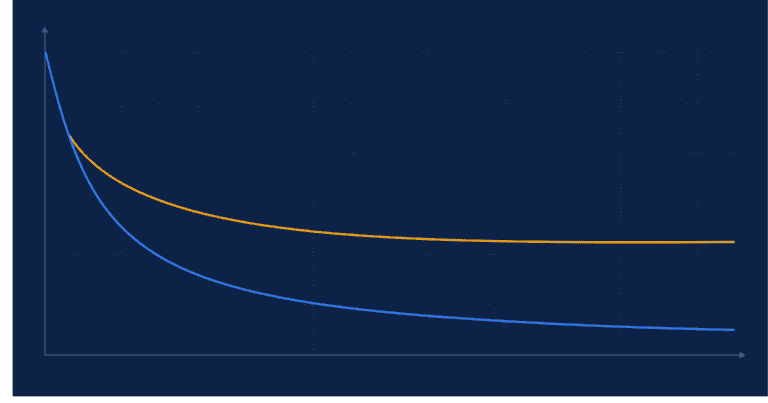
You finish a chapter feeling like you’ve learned it — and a week later most of it is gone. That’s not a bad memory; it’s the forgetting curve, a predictable pattern of memory decay that applies to almost everyone. Understand its shape and you can bend it, using the two techniques that actually make learning stick.

Working memory is the cognitive function most directly responsible for how intelligent you seem — and how intelligent you feel. Understanding its biological capacity limit (4 ± 1 chunks), why the prefrontal cortex is uniquely vulnerable to stress and sleep deprivation, and the specific interventions with RCT evidence for improvement is the difference between vague advice and a precision protocol. This guide covers the neuroscience, the clinical evidence, and the four-layer optimisation protocol that Peter has refined across 40+ Creyos testing sessions.