
Skip to content
NeuroEdge Formula logo featuring a stylized blue neural brain icon beside the NeuroEdge Formula wordmark with the tagline 'Cognitive Enhancement Research.
  • Start Here
  • Nootropics
  • Focus
  • Memory
  • Sleep
  • Brain Health
  • Biohacking
  • About Peter Benson
  • Contact
Free Guide: 7 Days to a Sharper Brain
NeuroEdge Formula logo featuring a stylized blue neural brain icon beside the NeuroEdge Formula wordmark with the tagline 'Cognitive Enhancement Research.
FREE Guide: 7 Days to a Sharper Brain

Home | Memory & Learning

  • Matching teaching to your "style" doesn't improve learning — proven techniques that work for everyone do.
    Memory & Learning

    Learning Styles Myth 

    ByPeter Benson September 2, 2026September 2, 2026

    Almost everyone “knows” their learning style — and around nine in ten people believe matching teaching to it helps you learn. Decades of research say otherwise. Here’s the precise myth, why it fails when tested, why it persists, the quiet harm it does, and what genuinely works instead.

    Read More Learning Styles Myth Continue

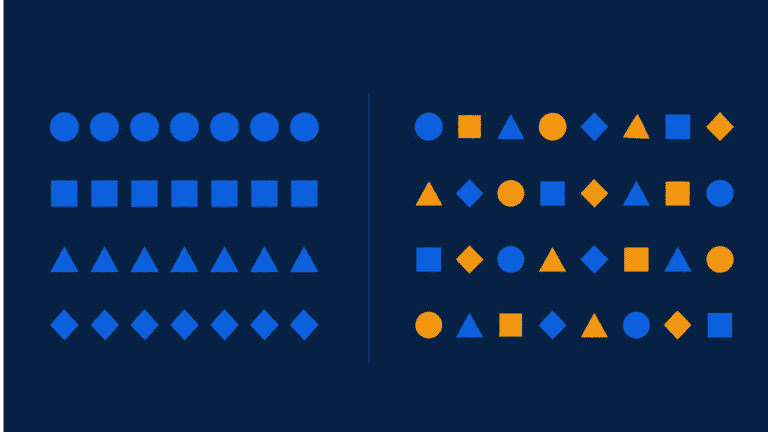
  • Illustration contrasting blocked and interleaved practice, showing why interleaving mixes problem types
    Memory & Learning

    Interleaving 

    ByPeter Benson August 19, 2026August 19, 2026

    Most people study by blocking — drilling one topic before the next. Interleaving mixes Most people study by blocking — drilling one topic before the next. Interleaving mixes related types up instead, and on delayed tests it reliably wins. Here’s what the evidence shows, why it feels worse than it is, the mechanism behind it, and the honest limits of where it works. types up instead, and on delayed tests it reliably wins. Here’s what the evidence shows, why it feels worse than it is, the mechanism behind it, and the honest limits of where it works.

    Read More Interleaving Continue

  • Illustration of a memory palace route with sequenced waypoints representing the method of loci technique
    Memory & Learning

    Memory Palace Method of Loci

    ByPeter Benson August 12, 2026August 12, 2026

    Educational information. This article explains a learning technique and the research behind it. It reflects independent research, not medical or clinical advice. Memory techniques are skills — results depend on how consistently you practise them, and individual outcomes vary. Quick Summary What it is The memory palace — or method of loci — is a…

    Read More Memory Palace Method of LociContinue

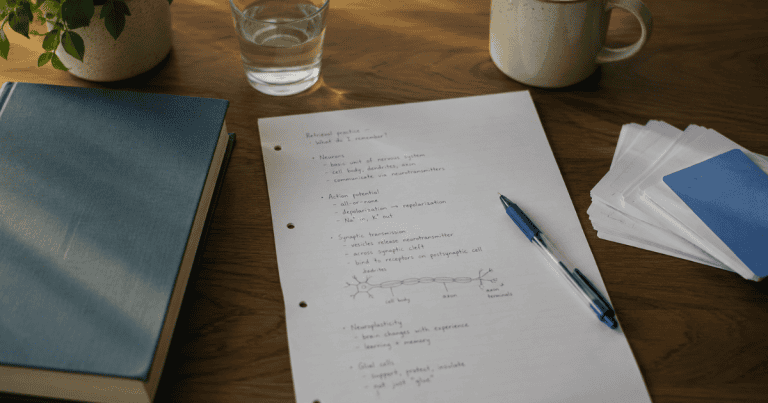
  • Active recall study method — recalling notes onto a blank page with the textbook closed
    Memory & Learning

    Active Recall 

    ByPeter Benson July 19, 2026August 6, 2026

    Rereading feels productive but rarely builds durable memory. Active recall — retrieving instead of reviewing — is one of the best-evidenced techniques in learning science. Here’s why, and how to do it.

    Read More Active Recall Continue

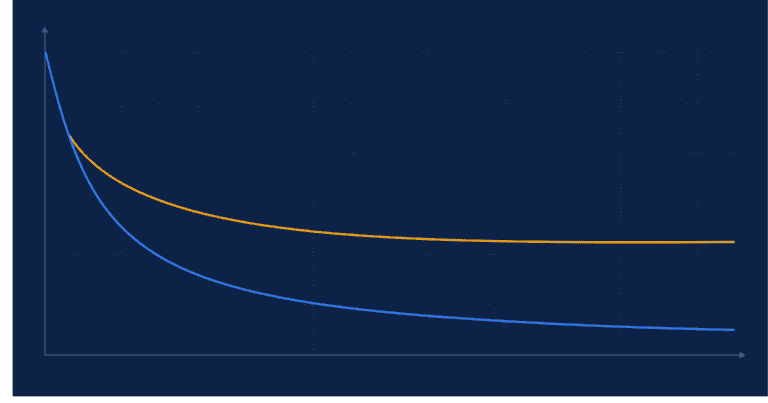
  • Graph of the forgetting curve showing steep early memory decay that flattens with review
    Memory & Learning

    Forgetting Curve

    ByPeter Benson July 17, 2026August 6, 2026

    You finish a chapter feeling like you’ve learned it — and a week later most of it is gone. That’s not a bad memory; it’s the forgetting curve, a predictable pattern of memory decay that applies to almost everyone. Understand its shape and you can bend it, using the two techniques that actually make learning stick.

    Read More Forgetting CurveContinue

  • How to improve memory naturally: four-layer protocol — aerobic exercise Erickson 2011 hippocampal volume, spaced repetition active recall Cepeda Karpicke, Bacopa Monnieri Alpha-GPC Lion's Mane DHA, sleep N3 consolidation, NeuroEdge Memory Protocol
    Memory & Learning

    How to improve memory naturally 

    ByPeter Benson July 1, 2026August 6, 2026

    Affiliate Disclosure: Some links on this page are affiliate links. If you purchase through them, NeuroEdge Formula earns a small commission at no extra cost to you. Peter only recommends products he has personally tested and that meet the evidence standards of this site. Medical Disclaimer: This guide is for educational purposes only and does…

    Read More How to improve memory naturally Continue

  • Nootropics for memory evidence-based ranking: Tier 1 (Bacopa, Alpha-GPC, DHA) and Tier 2 (Creatine, Lion's Mane, PS) with 8-16 week timeline requirement and the Memory Architecture Protocol
    Memory & Learning

    The Best Nootropics for Memory: What the Research Shows

    ByPeter Benson November 24, 2025August 6, 2026

    The question “which nootropics are best for memory?” is answered poorly in most content. This guide ranks compounds by the quality and specificity of their memory evidence — distinguishing between multiple independent RCTs specifically for memory outcomes vs general cognitive enhancement claims. Tier 1 (Bacopa, Alpha-GPC, DHA), Tier 2 (Creatine, Lion’s Mane, Phosphatidylserine), and the compounds that don’t make the cut and why.

    Read More The Best Nootropics for Memory: What the Research ShowsContinue

  • Sleep and memory: N3 slow-wave sleep hippocampal sharp-wave ripple consolidation, REM integration and creative insight, sleep stage memory type specificity, Stickgold 40% recall improvement, Diekelmann Born 2010 Nature Reviews, Mednick nap consolidation
    Memory & Learning

    Sleep and Memory Consolidation: Why Sleep Is Non-Negotiable for Learning

    ByPeter Benson November 19, 2025July 9, 2026

    Sleep is not recovery after learning — it is the completion of learning. N3 slow-wave sleep consolidates declarative facts via hippocampal sharp-wave ripple replay. REM sleep integrates new memories with existing knowledge and generates insight. The final two hours of sleep are peak REM. A 6-hour night removes these hours disproportionately. Stickgold documented 40 percent recall improvement from adequate versus poor sleep on identical learning protocols. The most important study decision is not what you learn — it is what follows the learning session.

    Read More Sleep and Memory Consolidation: Why Sleep Is Non-Negotiable for LearningContinue

  • Working memory neuroscience guide: 4±1 chunk capacity limit, PFC cortisol vulnerability (Arnsten 2011), creatine working memory RCTs (Rae 2003, Bonn 2024), Alpha-GPC cholinergic enhancement, task-switching cost, and the Working Memory Optimisation Protocol
    Memory & Learning

    Working Memory: What It Is and How to Expand It

    ByPeter Benson November 14, 2025August 6, 2026

    Working memory is the cognitive function most directly responsible for how intelligent you seem — and how intelligent you feel. Understanding its biological capacity limit (4 ± 1 chunks), why the prefrontal cortex is uniquely vulnerable to stress and sleep deprivation, and the specific interventions with RCT evidence for improvement is the difference between vague advice and a precision protocol. This guide covers the neuroscience, the clinical evidence, and the four-layer optimisation protocol that Peter has refined across 40+ Creyos testing sessions.

    Read More Working Memory: What It Is and How to Expand ItContinue

  • Spaced repetition guide: Ebbinghaus forgetting curve, Cepeda 317-experiment meta-analysis, 85% accuracy calibration rule, Anki daily review protocol, retrieval practice vs re-reading, sleep consolidation, Bacopa Alpha-GPC cholinergic support
    Memory & Learning

    Spaced Repetition: The Evidence-Based Method for Retaining Anything

    ByPeter Benson November 10, 2025August 6, 2026

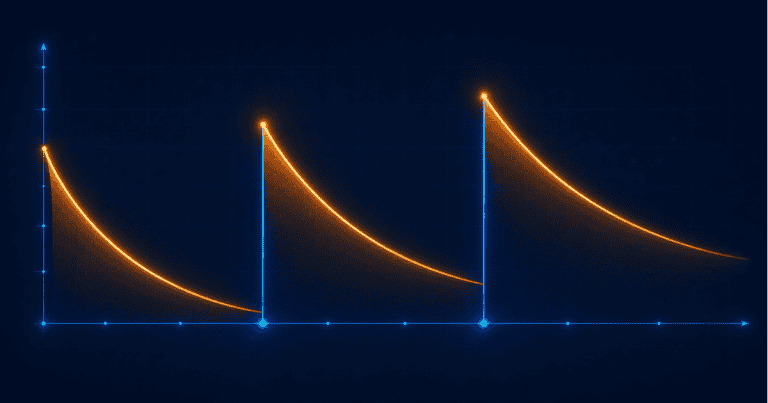
    Spaced repetition is the most evidence-backed learning technique available — and the one most systematically ignored. The Cepeda et al. (2006) meta-analysis of 317 experiments confirms it outperforms massed practice across all conditions. But the mechanism most people miss is that the benefit comes from the retrieval attempt, not the re-exposure. This guide covers the neuroscience, the correct Anki implementation, the 85% accuracy calibration rule, the sleep integration that multiplies retention gains, and the cholinergic supplement stack that supports memory encoding.

    Read More Spaced Repetition: The Evidence-Based Method for Retaining AnythingContinue

Page navigation

1 2 Next PageNext

Research-backed guidance on nootropics, brain optimization, and mental performance. 18+ years of independent research and real-world testing by cognitive enhancement researcher Peter Benson.

🧠 Free Guide: 7 Days to a Sharper Brain

    🔒 No spam ever. Privacy Policy

    Educational information only. Read full disclaimer

    Explore Topics

    • 🧠 Nootropics & Supplements
    • 🎯 Focus & Productivity
    • 📚 Memory & Learning
    • 😴 Sleep & Recovery
    • 🧬 Brain Health & Longevity
    • ⚡ Biohacking & Protocols

    • Start Here!

    LEARN MORE

    • About Peter Benson
    • Research Methodology
    • Free Guide: 7 Days to a Sharper Brain
    • Newsletter Archive
    • FAQ
    • Contact

    LEGAL

    • Privacy Policy
    • Terms of Use
    • Medical Disclaimer
    • Affiliate Disclosure

    2026-2027 NeuroEdgeFormula.com. All rights reserved. | The information on this site is for educational purposes only and is not intended as medical advice.

    • Start Here
    • Nootropics
    • Focus
    • Memory
    • Sleep
    • Brain Health
    • Biohacking
    • About Peter Benson
    • Contact
    Search