Naps and Cognitive Performance
Educational information, not medical advice. Naps are a performance tool, not a treatment. A persistent need to nap for long stretches every day — or falling asleep unintentionally — can signal an underlying sleep disorder or health condition and is worth discussing with a doctor rather than managing with more napping.
| The short answer | Naps genuinely boost alertness and performance — but length is everything. A 10–20 minute nap is the reliable sweet spot; get much past 25–30 minutes and you risk waking groggy from deep sleep, which can leave you worse off for a while. |
| The short nap | 10–20 minutes keeps you in light sleep, so you wake refreshed. A NASA study of pilots found a ~26-minute nap improved performance by 34% and alertness by 54% (Rosekind 1995). |
| The long nap | A full 60–90 minute nap can aid memory consolidation because it includes deep and REM sleep — a nap this long matched a night’s sleep on one learning task (Mednick 2003) — but it brings grogginess and can disturb your night’s sleep. |
| Best timing | Early-to-mid afternoon, riding the natural post-lunch circadian dip. Nap much later than about 3 p.m. and you’ll blunt your night’s sleep. |
| Honest caveat | Naps supplement good night sleep; they don’t replace it. Needing long naps daily is usually a sign to fix your night sleep, not a strategy in itself. |
Naps and Cognitive Performance: Timing, Length and the Evidence
By Peter Benson, Cognitive Enhancement Researcher | 18+ Years Independent Research · Last Updated: August 2026
Naps have a peculiar reputation: half the world treats them as laziness, the other half as a productivity hack. The evidence is clearer and more interesting than either camp assumes. Done right, a nap is one of the fastest, best-supported ways to restore alertness and performance in the middle of a demanding day. Done wrong — a beat too long, or too late — it can leave you groggier than if you’d never lain down. The whole art of napping is in a couple of numbers: how long, and when.
This guide covers what the research actually shows about naps and cognitive performance — the length that reliably helps, the length that backfires, the best time of day, the “coffee nap” trick, and the honest limits, including what a daily need to nap might be telling you. It sits within the broader picture of sleep and recovery, which is where the real cognitive heavy lifting happens.
Why the Afternoon Slump Is Real
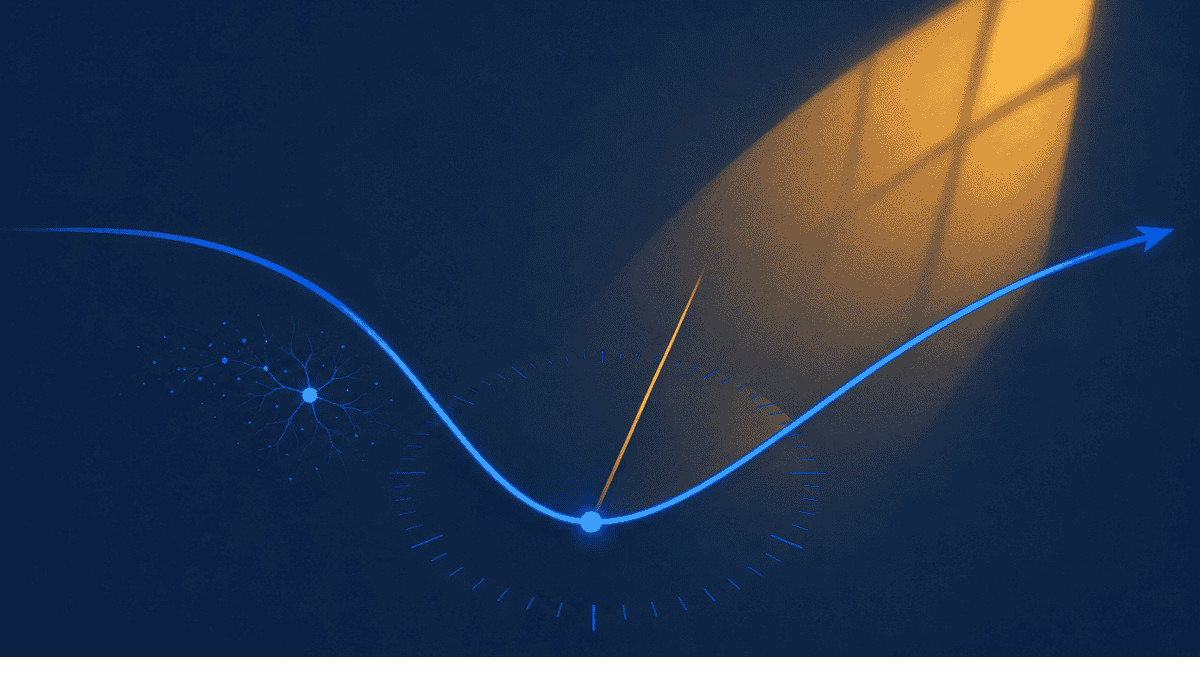
The early-afternoon dip in energy isn’t just the lunch talking. It’s built into your circadian rhythm — the body’s roughly 24-hour clock produces a genuine dip in alertness in the early-to-mid afternoon, a “post-lunch dip” that shows up even in people who skip lunch entirely. That window, broadly the 1–3 p.m. range for most people on a normal schedule, is when the drive to sleep briefly rises and a nap slots in most naturally. It’s also why fighting through the slump with a fourth coffee is often less effective than working with the dip and taking a short, strategic nap in it.
This matters for napping because timing your nap to that natural trough makes it easier to fall asleep quickly, and — just as importantly — keeps the nap far enough from bedtime that it doesn’t steal from your night’s sleep. Nap in the slump, not in the evening.
Nap Length Is Everything: The Sleep-Inertia Trap
The single most useful thing to understand about naps is sleep inertia — the thick, disoriented grogginess you feel if you’re woken out of deep sleep. In a normal descent into sleep you pass through light non-REM stages first, then sink into slow-wave (deep) sleep after roughly 20–30 minutes. Wake up during the light stages and you feel refreshed almost immediately. Wake up mid-way through slow-wave sleep and your brain needs time to reboot — you can feel worse than before the nap for anywhere from fifteen minutes to, occasionally, much longer. Understanding your sleep architecture is what makes sense of the whole nap-length question.
The cleanest evidence comes from a controlled study by Brooks and Lack (2006), who compared naps of exactly 5, 10, 20 and 30 minutes against no nap. The five-minute nap barely helped. The ten-minute nap was the standout — it produced immediate improvements in alertness and cognitive performance that lasted for hours, with essentially no grogginess. The twenty-minute nap helped too, after a brief lag. The thirty-minute nap was the cautionary tale: it produced a period of impaired performance immediately on waking — sleep inertia — before its benefits eventually appeared. In other words, going longer didn’t buy more benefit; it bought grogginess. For a pure alertness boost, short wins.
The Short Nap: Alertness and Performance
The most famous demonstration of the short nap comes from NASA. In a 1995 study by Rosekind and colleagues, long-haul flight crews were given a planned 40-minute rest opportunity during cruise; they slept about 26 minutes on average. Compared with no-nap crews, the nappers showed roughly a 34% improvement in performance (reaction time) and a 54% improvement in physiological alertness measured by EEG, along with far fewer microsleeps in the critical final phase of the flight. Those striking numbers are why “the NASA nap” became shorthand for the strategic power nap.
Two honest footnotes keep it in proportion. The percentages are relative improvements on specific measures, not a blanket “34% smarter,” and the crews weren’t sleep-deprived at the outset — this was maintaining performance across a long shift, which is exactly what a short nap does best. The takeaway is sound and practical: a nap in the 10–20 minute range, kept in light sleep, reliably restores alertness and reaction time without the inertia penalty. If you set an alarm, allow a little time to fall asleep — aiming to be up within about 20–25 minutes of lying down keeps you safely on the right side of the deep-sleep line.
The Long Nap: Memory Consolidation — and Its Cost
There’s a case for the long nap too, but a narrower one. A full 60–90 minute nap is long enough to move through slow-wave sleep and into REM — the two stages most involved in consolidating memories. In a striking study, Mednick, Nakayama and Stickgold (2003) found that a 60–90 minute nap containing both slow-wave and REM sleep improved performance on a visual learning task as much as a full night’s sleep did — the paper’s memorable title was “a nap is as good as a night.”
It’s worth being precise about what that means, because it’s easy to over-read. The finding was specific to a particular perceptual-learning task, not a general “a nap replaces a night” claim — the nappers matched night-sleep on that skill, and the nap’s benefit was additive to later sleep. This is genuinely useful if you’re consolidating something you’ve just practised or studied, which is why naps have a real place in learning (they pair naturally with sleep-based memory consolidation).
The costs are real, though. A nap this long almost guarantees some sleep inertia on waking, and because it discharges a chunk of your sleep drive, it’s the nap most likely to make it harder to fall asleep that night. So the long nap is best reserved for specific situations — recovering from a genuinely bad night, shift work, or deliberately consolidating new learning — rather than as an everyday habit. For most people, on most days, the short nap is the better tool.
The Coffee Nap: Caffeine’s Odd Synergy With Sleep
One of the more counter-intuitive tricks in the literature is the “coffee nap”: drink a coffee, then immediately take a short nap. It sounds self-defeating, but the timing works out. Caffeine takes roughly 20–30 minutes to be absorbed and start blocking the adenosine receptors that make you feel sleepy — about the length of a short nap. So you fall asleep before the caffeine kicks in, the nap itself clears some sleepiness, and you wake just as the caffeine comes online, getting both effects at once.
This isn’t just a nice theory. Reyner and Horne (1997) tested tired drivers and found that caffeine combined with a short nap suppressed driving impairment and sleepiness more effectively than either caffeine or a nap alone. The practical recipe: drink a coffee reasonably quickly, lie down straight away, and set an alarm for about 20 minutes. For the mechanics of caffeine itself, see the guide to caffeine and cognitive performance — and keep the timing early enough in the day that the caffeine doesn’t follow you to bed.
The Honest Caveats
Two things keep napping in perspective. First, naps supplement good sleep — they don’t replace it. A short nap is a fine tool for a normal dip or an occasional short night, but no amount of napping reproduces the full architecture and hormonal and restorative work of a proper night’s sleep. If you find you need a substantial nap every single day to function, the useful move is to look upstream at why your night sleep isn’t doing its job (see sleep and cognitive performance), rather than treating the daily nap as the solution.
Second, you’ll see headlines linking long daytime naps to worse health — higher cardiovascular and metabolic risk. Those come from observational studies, and the most likely explanation is reverse causation: habitual long naps are often a symptom of poor underlying health, disrupted night sleep, or an undiagnosed condition, rather than a cause of it. People who are unwell nap more. That’s very different from a short, strategic nap in a healthy person causing harm, for which there’s no good evidence. The sensible reading isn’t “naps are dangerous” — it’s that a new, persistent need for long naps is a signal worth paying attention to, not ignoring.
Naps and Cognition — Evidence Ranked
🟢 Well supported | 🟡 Real but qualified | 🔴 Commonly claimed, not supported
| Claim | Evidence | Basis |
|---|---|---|
| A 10–20 min nap boosts alertness & performance | 🟢 Well supported | Controlled nap-duration study (Brooks & Lack 2006); NASA field study (Rosekind 1995) |
| Naps ≥30 min cause sleep inertia on waking | 🟢 Well supported | 30-min nap impaired performance immediately post-wake (Brooks & Lack 2006) |
| Coffee + short nap beats either alone | 🟢 Supported | Driving-simulator trials (Reyner & Horne 1997) |
| A long nap can aid memory consolidation | 🟡 Task-specific | 60–90 min nap matched a night on one perceptual task (Mednick 2003); costs inertia |
| Long habitual naps cause heart/metabolic disease | 🟡 Likely reverse causation | Observational only; long naps often a marker of poor health, not a cause |
| Napping can replace a proper night’s sleep | 🔴 Not supported | Naps supplement night sleep; they don’t reproduce its full restorative work |
The right nap depends entirely on what you need next. Three common situations, each with the nap the evidence points to:
You have a demanding meeting at 3 p.m. and you’re flagging. Take a 15-minute nap around 1:30. Set an alarm for 20 minutes to allow for falling asleep. You’ll stay in light sleep, wake without grogginess, and walk into the meeting sharper — the Brooks & Lack / NASA sweet spot exactly.
You’ve got a long evening drive after a full day. Use a coffee nap: down a coffee, lie down immediately, alarm at 20 minutes. You wake as the caffeine engages, getting the nap’s clearance of sleepiness and the caffeine’s lift together — the Reyner & Horne combination.
You slept badly and have something you studied yesterday to lock in. Here a full 90-minute nap earns its keep, giving you a complete cycle through deep and REM sleep for consolidation — but schedule it early afternoon, expect a groggy few minutes on waking, and accept it may push your bedtime slightly later. Notice the logic in all three: you’re choosing the nap length to land on the sleep stage you want, and setting the alarm to wake on the right side of the deep-sleep line.
The NeuroEdge Nap Protocol
The default nap for a normal day, built around the evidence: short, early, and inertia-free. Updated August 2026.
Nap in the early-to-mid afternoon post-lunch trough (roughly 1–3 p.m.). It’s when you’ll fall asleep fastest and when a nap is least likely to disturb your night.
Aim for 10–20 minutes of sleep. Set the alarm for ~20–25 minutes to allow for drifting off, so you wake from light sleep and skip the deep-sleep grogginess.
On a heavy-fatigue day, make it a coffee nap: coffee first, then lie down. You’ll wake as the caffeine engages — but keep it early enough not to reach bedtime.
Reserve the 90-minute nap for recovery or consolidation, not daily use — and treat a daily need for it as a prompt to fix your night sleep.
Peter’s Testing Notes — Naps
First-person, n=1 — impressions, not measurements · Updated August 2026
The lesson the evidence taught me that I’d got wrong for years is that shorter is better. I used to treat a nap as “the more the better” and would routinely surface from a 45-minute afternoon nap feeling like I’d been hit by a truck — the classic sleep-inertia experience. Switching to a deliberately short nap, alarm set so I’m up inside about twenty minutes, changed it completely: I wake clear rather than cloudy, and the lift lasts the afternoon.
The coffee nap is the one that most surprised me in practice — it feels absurd to drink a coffee and then try to sleep, but on a genuinely wiped-out day the combination lands better than either half on its own, and the timing really does work out to waking up as it kicks in. I keep it for real fatigue, not as a daily habit.
The honest part: on the rare stretches when I’ve found myself needing a long nap every day, it’s always turned out to be a night-sleep problem wearing a disguise — and fixing the night was the real answer, not perfecting the nap. I treat naps as what the research says they are: a sharp tool for a specific job, sitting on top of a proper night’s sleep, never instead of it. (These notes are direction-only impressions, not measured results.)
Key Takeaways — Naps and Cognitive Performance
| ✓ | Short is the sweet spot. A 10–20 minute nap reliably boosts alertness and performance with no grogginess; a NASA study found a ~26-minute nap improved pilots’ performance 34% and alertness 54% (Rosekind 1995). |
| ✓ | Beware the 30-minute grogginess trap. Waking from slow-wave sleep causes sleep inertia — a 30-minute nap impaired performance on waking before helping (Brooks & Lack 2006). Set the alarm to stay in light sleep. |
| ✓ | Long naps are for consolidation, not routine. A 60–90 minute nap can match a night for a specific learning task (Mednick 2003) but brings inertia and can disrupt night sleep — reserve it for recovery or study. |
| ✓ | Time it to the afternoon dip, and try the coffee nap. Nap in the 1–3 p.m. circadian trough; for heavy fatigue, coffee-then-nap beats either alone (Reyner & Horne 1997). |
| ✓ | Naps supplement sleep — they don’t replace it. The “long naps cause disease” scare is likely reverse causation, but needing a daily long nap is a real signal to fix your night sleep rather than nap around the problem. |
Naps and Cognitive Performance — FAQ
How long should a nap be for the best cognitive boost?
For a pure alertness and performance boost, aim for 10–20 minutes of actual sleep. A controlled study found a 10-minute nap produced immediate, lasting benefits with essentially no grogginess, while a 30-minute nap caused a spell of impaired performance on waking (Brooks & Lack 2006). If you want to consolidate something you’ve just learned, a full 60–90 minute nap has a role, but it brings grogginess and can disturb your night’s sleep — so it’s a special-purpose tool, not the everyday choice.
Why do I wake up from naps groggy and feeling worse?
That’s sleep inertia — the disorientation of being woken out of deep (slow-wave) sleep, which you enter roughly 20–30 minutes into a nap. Your brain needs time to fully come online, so you can feel worse than before you lay down for anywhere from a few minutes to much longer. The fix is to keep naps short enough to stay in light sleep: set an alarm so you’re up within about 20–25 minutes of lying down, before deep sleep takes hold.
What is a coffee nap, and does it actually work?
A coffee nap is drinking a coffee and immediately taking a short nap. Caffeine takes about 20–30 minutes to be absorbed and start blocking sleepiness signals — roughly the length of a short nap — so you fall asleep before it kicks in and wake as it takes effect, getting both benefits at once. In driving-simulator trials, the caffeine-plus-nap combination reduced sleepiness and impairment more than either caffeine or a nap alone (Reyner & Horne 1997). Drink the coffee quickly, lie down straight away, and set an alarm for about 20 minutes.
When is the best time of day to nap?
Early-to-mid afternoon, broadly the 1–3 p.m. window for most people. That coincides with a natural circadian dip in alertness — the “post-lunch dip,” which occurs even if you skip lunch — so you’ll fall asleep more easily and the nap sits far enough from bedtime not to interfere. Avoid napping in the late afternoon or evening, which can blunt your sleep drive and make it harder to fall asleep at night.
Are naps bad for you, or can they replace night sleep?
Short, strategic naps in healthy people show no evidence of harm. Headlines linking long daytime naps to heart and metabolic disease come from observational studies, and the likeliest explanation is reverse causation — habitual long naps tend to be a symptom of poor health or disrupted sleep rather than a cause. And no, naps can’t replace a night’s sleep: they supplement it, but don’t reproduce its full restorative and hormonal work. If you need a long nap every day to get by, that’s a sign to look at why your night sleep isn’t sufficient.
Get “7 Days to a Sharper Brain” — Free
Peter Benson’s personal daily protocol, rebuilt from 18 years of testing
Seven evidence-based interventions, in the exact order that makes each one more effective — from sleep foundation to neuroplasticity and Lion’s Mane.
Join 2,000+ readers optimising their cognitive performance. Unsubscribe anytime.
Scientific References
- Brooks A, Lack L. (2006). A Brief Afternoon Nap Following Nocturnal Sleep Restriction: Which Nap Duration is Most Recuperative? Sleep, 29(6):831–840. DOI: 10.1093/sleep/29.6.831
- Mednick S, Nakayama K, Stickgold R. (2003). Sleep-dependent learning: a nap is as good as a night. Nature Neuroscience, 6(7):697–698. DOI: 10.1038/nn1078
- Rosekind MR, Smith RM, Miller DL, et al. (1995). Alertness management: strategic naps in operational settings. Journal of Sleep Research, 4(S2):62–66. DOI: 10.1111/j.1365-2869.1995.tb00229.x
- Reyner LA, Horne JA. (1997). Suppression of sleepiness in drivers: combination of caffeine and a short nap. Psychophysiology, 34(6):721–725. PMID 9401427

Peter Benson
Cognitive Enhancement Researcher | 18+ Years Independent Research
Peter has spent 18+ years testing sleep and recovery strategies through systematic self-experimentation. He treats the nap the way the evidence recommends — a short, well-timed tool that sits on top of a solid night’s sleep, never as a substitute for it.
Last reviewed: August 2026 | Educational content only. Not medical advice.