Cost of Multitasking
Multitasking is really task-switching — and every switch has a cost. A cognitive enhancement researcher separates the solid science of switch costs from the shaky claims of permanent focus damage, and shows how to switch less.

Multitasking is really task-switching — and every switch has a cost. A cognitive enhancement researcher separates the solid science of switch costs from the shaky claims of permanent focus damage, and shows how to switch less.

The physiological sigh — double inhale, long exhale — is the fastest deliberate way to lower acute stress. The mechanism, what the randomised trials actually found, the three techniques worth using, and the practices to avoid.

You have a deadline, you feel the dread, and you still open a new tab — then call yourself lazy. The neuroscience tells a different story. Procrastination is an emotion-regulation problem, not a discipline failure, and once you see what your brain is really doing, you can stop fighting the wrong battle.

You know what you should be doing, and you still can’t start — so you blame your willpower. The neuroscience says otherwise. Motivation is a dopamine signal, not a character trait, and once you see how that signal actually works, the problem becomes an engineering task rather than a moral one.

You can’t focus at work because the modern office is built against focus — not because you lack willpower. The research on attention residue, interruptions, and email, plus the structural fixes that actually work.

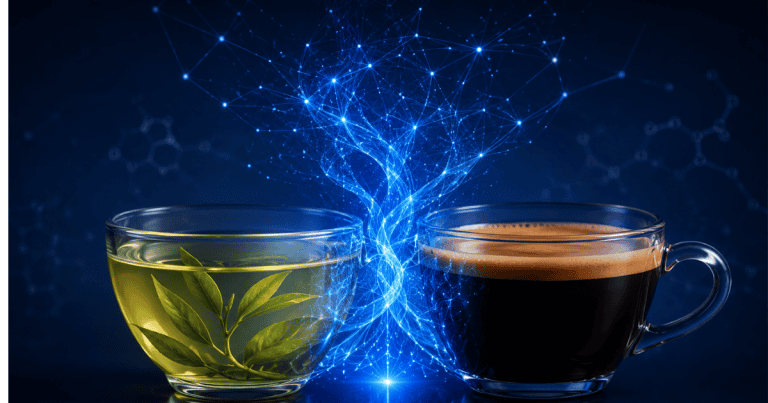
The L-theanine and caffeine combination is the most rigorously studied nootropic stack available. Multiple double-blind RCTs confirm it produces better sustained attention than caffeine alone—not merely reduced side effects, but measurably superior cognitive performance. This complete guide covers the mechanism, clinical evidence, exact dosing protocol, timing framework, cycling requirements, and sourcing standards from 18+ years of personal testing.

ADHD focus problems aren’t a willpower failure — they’re a difference in executive function. What the condition actually is, why “try harder” fails, and which supportive strategies genuinely help alongside professional care (which always comes first).

Flow — effortless, total absorption — isn’t magic. It’s a brain state with identifiable conditions you can engineer. The neuroscience of transient hypofrontality, the research on what triggers flow, and how to enter it deliberately without chasing it.

The first hour after waking sets your whole day. A morning routine built on the actual science — light, the cortisol awakening response, hydration and movement — plus the right order to do it in.

You’re not weak-willed — apps are engineered to capture your attention. How digital distraction exploits the brain’s reward-learning system, the real cost of a phone’s mere presence, and why environment beats willpower.