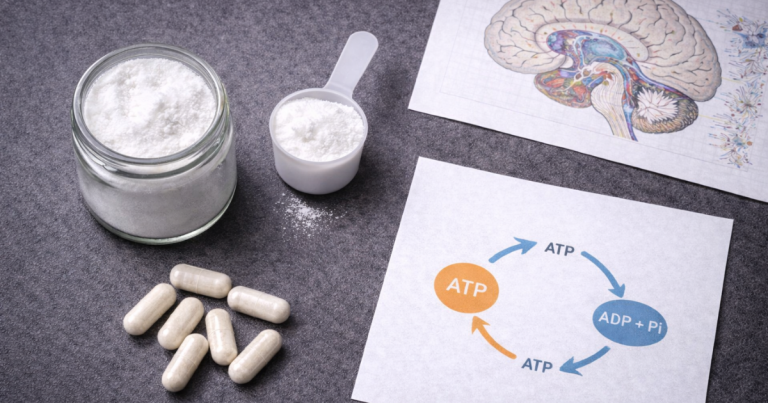
Creatine monohydrate powder beside ATP energy cycle diagram and neuron synapse illustration on a dark surface

Creatine for Brain Health: Benefits, Dosage, and What the Research Actually Shows

Creatine is the most thoroughly researched supplement in human history — and the most overlooked compound in the cognitive enhancement space. The Rae et al. trial found significant improvements in working memory and fluid intelligence. The McMorris research found it protects cognitive function under sleep deprivation. After 18+ years of research, here is the complete evidence-based guide to the brain energy compound that completes the advanced protocol.

Magtein Magnesium L-Threonate capsules beside a synapse density diagram and magnesium-threonate molecular structure on a dark surface

Magnesium L-Threonate: Benefits, Dosage, and What the Research Actually Shows

Most people taking magnesium are taking the wrong form for cognitive purposes. Magnesium L-Threonate was developed at MIT specifically to cross the blood-brain barrier — and the Liu et al. trial found it reversed approximately 9 years of cognitive decline. After 18+ years of research, here is the complete evidence-based guide to the most underappreciated compound in any serious nootropic protocol.

Dried Ashwagandha root beside KSM-66 supplement bottle and cortisol measurement chart on a dark surface

Ashwagandha (KSM-66): Benefits, Dosage, and What the Research Actually Shows

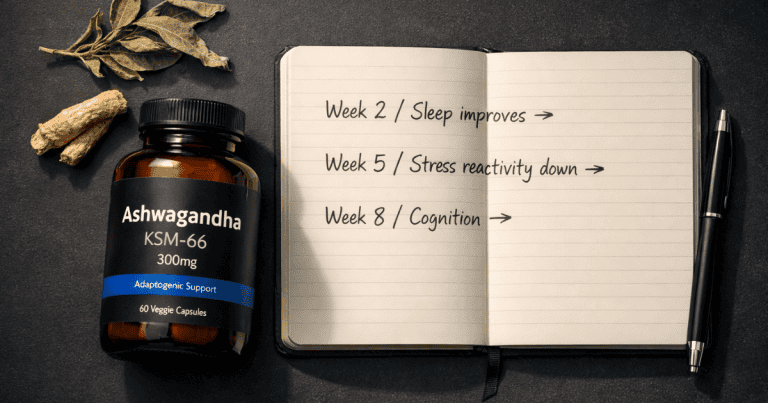
Ashwagandha KSM-66 has a more rigorous clinical evidence base than almost anyone in the nootropic community appreciates — including a trial showing 27.9% cortisol reduction with direct serum measurement and across-the-board cognitive improvements in healthy adults at 8 weeks. After 18+ years of research, here is the complete evidence-based guide to the stress substrate compound that determines how well everything else in the protocol performs.

Coffee cup and green tea bowl beside L-theanine capsules and alpha wave EEG readout on a dark surface

Caffeine and L-Theanine: The Science Behind the Most Studied Nootropic Stack

Caffeine and L-theanine is the most referenced stack in this series — and the most under-explained. After 18+ years of research and multiple neuroimaging trials confirming genuine synergistic effects, here is the complete evidence-based guide: how the combination works, what the Haskell and Foxe studies actually showed, the 1:2 ratio protocol, and the tolerance management framework that makes it sustainable.

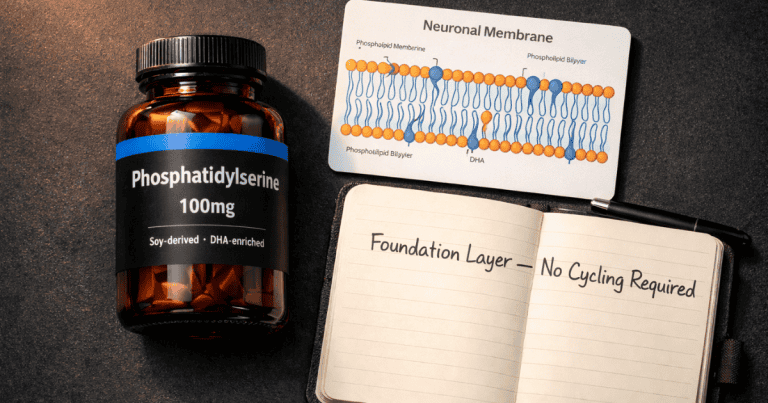
Phosphatidylserine supplement capsules beside an FDA regulatory document and phospholipid molecular diagram on a dark surface

Phosphatidylserine: Benefits, Dosage, and What the Research Actually Shows

Phosphatidylserine is the only nootropic compound with an FDA qualified health claim for cognitive function — a regulatory distinction every serious cognitive enhancement researcher should understand. After 18+ years of research and a trial reversing 12 years of age-related cognitive decline, here is the complete evidence-based guide to the compound that holds the advanced stack together at the structural level.

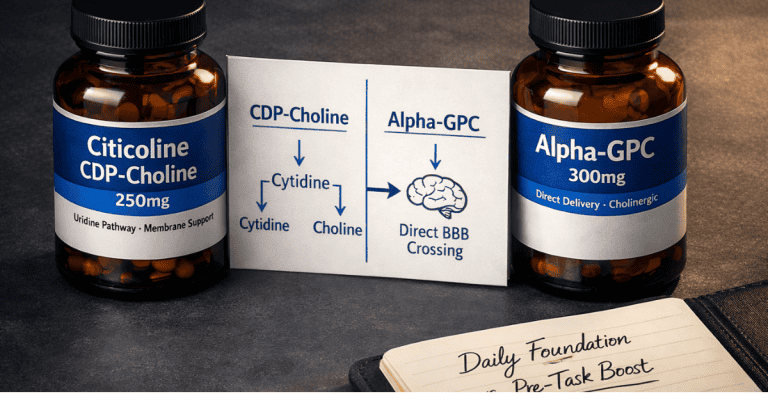
Alpha-GPC supplement capsules beside a clinical trial document and glycerophosphocholine molecular diagram on a dark surface

Alpha-GPC: Benefits, Dosage, and What the Research Actually Shows

Alpha-GPC is a pharmaceutical compound approved by prescription in Europe that most people treat like a casual supplement. After 18+ years of research and a 2,044-patient clinical trial, here is the complete evidence-based guide — how it works, what the research actually shows, the TMAO cardiovascular consideration every user needs to understand, and the cholinergic stack that makes it most powerful.

Salmon fillet beside omega-3 softgel capsules and neuronal membrane diagram on a dark surface

DHA and Omega-3 for Brain Health

DHA is referenced in every other article in this series as the structural foundation that makes everything else work better. After 18+ years of research and the MIDAS trial reversing three years of memory decline in 24 weeks, here is the complete evidence-based guide to the one compound that is not optional for any serious cognitive enhancement protocol.

Rhodiola Rosea golden root plant material and standardized extract capsules beside an altitude map on a dark surface

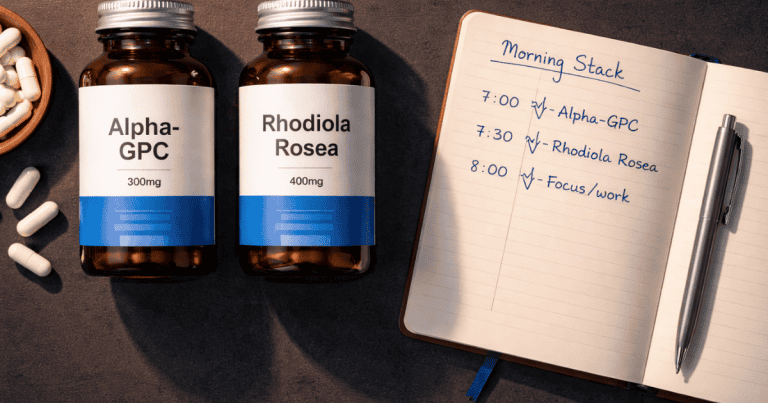
Rhodiola Rosea: Benefits, Dosage, and What the Research Actually Shows

Most people take Rhodiola expecting it to feel like caffeine — and conclude it doesn’t work when it doesn’t. After 18+ years of research and multiple clinical trials, here is what Rhodiola actually does, why it matters more than stimulants for real-world cognitive performance, and the exact dose and timing the evidence supports.

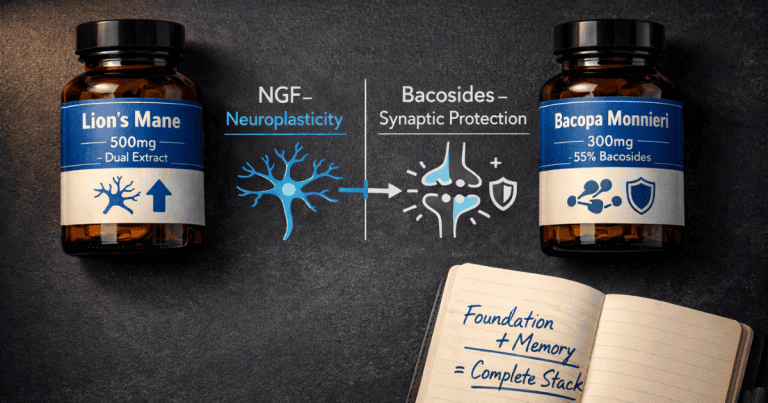
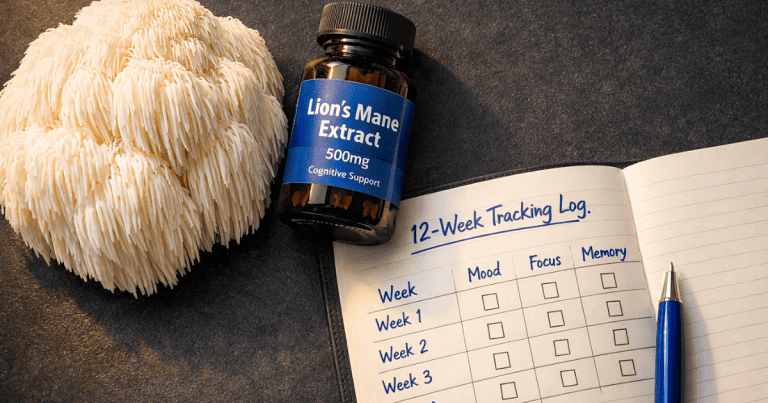
Lion's Mane mushroom fruiting body beside supplement capsules and research journal on a dark surface

Bacopa Monnieri: Benefits, Dosage, and What the Research Actually Shows

Bacopa Monnieri has a meta-analysis of nine randomized controlled trials behind it — and still most people quit before it works. After 18+ years of research, here is the complete evidence-based guide: how it works, what the research actually shows, the exact dose to use, and why patience is not optional with this compound.

Evidence-based nootropic safety evaluation showing supplement bottles certificate of analysis and quality verification on a dark surface

Are Nootropics Safe? The Complete Evidence-Based Safety Guide

Most people asking whether nootropics are safe are actually asking the wrong question. After 18+ years of research, here is the honest evidence-based answer — compound by compound safety profiles, the individual risk factors that actually matter, and the red flags that should stop you from buying a product entirely.