Rhodiola Rosea: Benefits, Dosage, and What the Research Actually Shows
Medical Disclaimer: The information in this article is for educational purposes only and does not constitute medical advice. Always consult a qualified healthcare provider before beginning any supplement regimen. Individual responses to Rhodiola Rosea vary. This guide reflects published research and personal experience and does not substitute for professional medical evaluation.
Rhodiola Rosea is the compound in my protocol that most consistently surprises people — and not in the way they expect.
Most people who encounter Rhodiola for the first time approach it as a stimulant. They take it expecting something that feels like caffeine — heightened alertness, a perceptible energy boost, a noticeable change in mental state. When that experience doesn’t materialize in the way they imagined, they conclude it isn’t working. They are measuring the wrong thing entirely.
Rhodiola is not a stimulant. It is an adaptogen — one of the most thoroughly researched adaptogens in existence — and adaptogenic compounds work by a fundamentally different mechanism than stimulants. Where caffeine forces wakefulness by blocking adenosine receptors, Rhodiola modulates the body’s physiological stress response at the level of the hypothalamic-pituitary-adrenal (HPA) axis. Its primary benefits are stress resilience, anti-fatigue effects, and cortisol regulation that allow you to sustain cognitive performance under conditions that would otherwise cause it to degrade. These are not the same as feeling more alert — they are more important than feeling more alert.
After nearly two decades of researching cognitive enhancement compounds, Rhodiola occupies a specific and irreplaceable position in my intermediate protocol. Not because it delivers the most dramatic subjective effects — it doesn’t — but because it addresses the cognitive performance variable that matters most in real-world conditions: the ability to maintain focus, decision quality, and memory function when you are tired, stressed, or operating under sustained mental load. That is where Rhodiola’s clinical evidence is strongest, and that is what this article documents precisely.
If you are building toward an intermediate protocol, this article builds on the foundational framework from the 5 best nootropics for beginners, the stacking guide, the evidence-based dosing protocols, and the compound guides for Lion’s Mane and Bacopa Monnieri.
What Is Rhodiola Rosea?
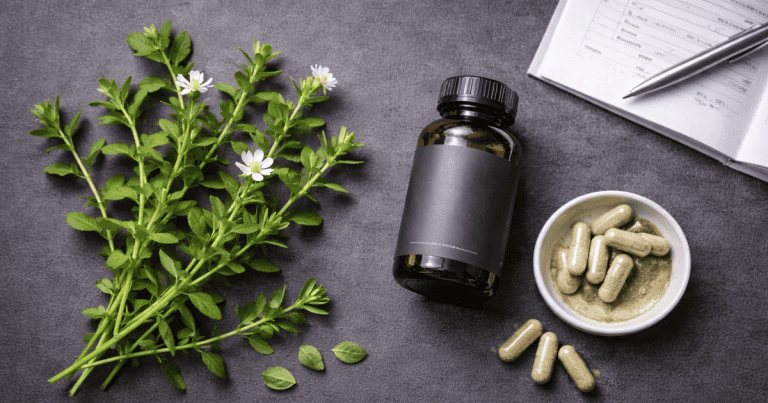
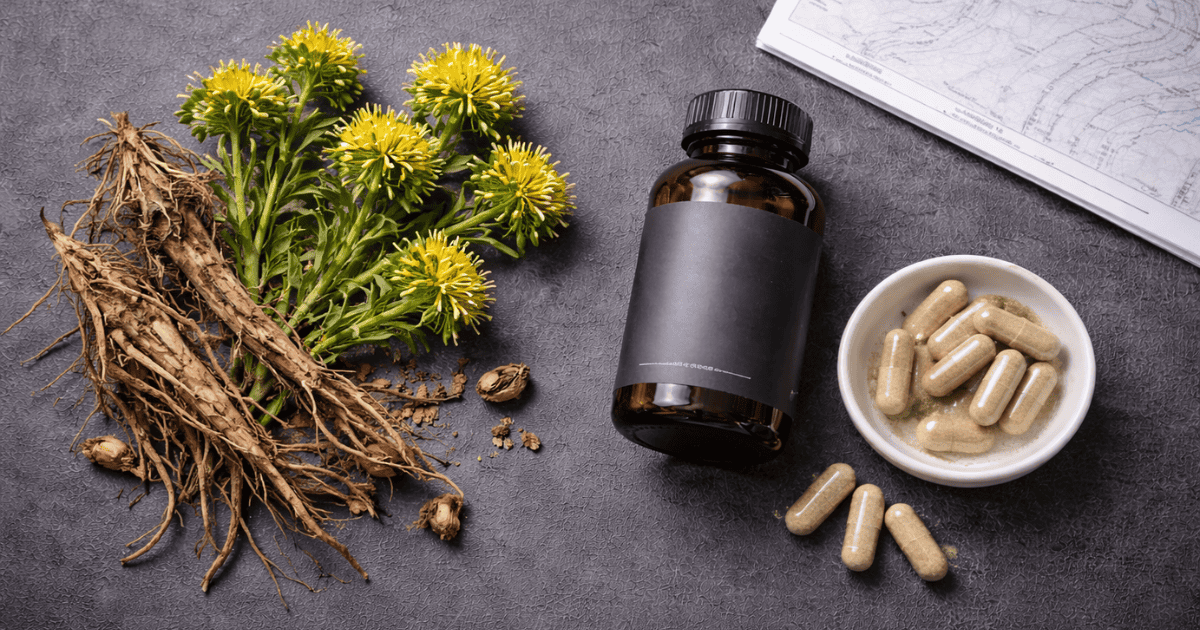
Rhodiola Rosea — also known as golden root, arctic root, or rose root — is a perennial flowering plant native to the cold, mountainous regions of Europe, Asia, and the Arctic. It grows at high altitudes in harsh climates where few other plants survive, and its remarkable biological resilience to environmental stress appears to be mirrored in the stress-protective effects it confers on human physiology.
Rhodiola has a documented history of medicinal use in Scandinavian, Eastern European, and Russian traditional medicine spanning over a thousand years. Historical records document Rhodiola’s use in Viking communities for endurance and mental stamina, in Siberian communities for working in extreme cold, and in Soviet-era Russia where it was extensively researched by military and space program scientists seeking to improve human performance under extreme stress conditions. This Soviet research program — largely classified until the 1990s — produced some of the earliest systematic evidence for Rhodiola’s adaptogenic properties and established the foundation for the modern clinical research that has since validated its benefits.
The active compounds responsible for Rhodiola’s adaptogenic effects are rosavins (a family of phenylpropanoids unique to Rhodiola Rosea) and salidroside (a phenylethanol glycoside). Quality Rhodiola extracts are standardized to minimum concentrations of both — typically 3% rosavins and 1% salidroside — and the presence of this standardization on a product label is the primary quality indicator separating effective from ineffective Rhodiola supplements.
Understanding Adaptogens: Why Rhodiola Works Differently Than Stimulants
To understand Rhodiola’s benefits, you first need to understand what an adaptogen actually is — because the term is both widely used and widely misunderstood in the supplement industry.
The concept of adaptogenicity was first formally defined by Soviet pharmacologist Nikolai Lazarev in 1947, who described an adaptogen as a substance that increases non-specific resistance to stress. The criteria were later refined by Israel Brekhman and Ivan Dardymov, who established three defining properties: an adaptogen must be non-toxic at normal doses, must produce a non-specific physiological response to stress, and must normalize physiological function regardless of the direction of stress-induced deviation.
Modern research on adaptogens has confirmed and elaborated these original criteria, establishing that true adaptogens — including Rhodiola Rosea, Ashwagandha, and Eleuthero — exert their effects primarily through modulation of the HPA axis and sympathoadrenal system, the two primary biological stress response systems. Rather than forcing a pharmacological state (as stimulants do), adaptogens recalibrate the sensitivity and reactivity of these stress response systems — producing a more appropriate, efficient, and sustainable physiological response to stressors of all kinds.
The practical cognitive implication is significant: Rhodiola does not make you feel alert when you are rested. It prevents the cognitive degradation that stress and fatigue produce in the absence of support. This means its benefits are most perceptible under conditions of elevated stress or fatigue — and least perceptible when you are well-rested and unstressed. Many people test Rhodiola on their best days and conclude it isn’t working, when the appropriate test is performance on their worst days.
How Rhodiola Rosea Works: The Mechanisms
Rhodiola’s cognitive and anti-fatigue effects operate through several complementary neurochemical and endocrine mechanisms. Understanding them clarifies both why the compound works and what conditions it is best suited to address.
HPA Axis Modulation and Cortisol Regulation
The primary mechanism through which Rhodiola reduces stress-induced cognitive impairment is modulation of the HPA axis — the hormonal cascade that governs the body’s cortisol stress response. Under conditions of chronic or acute stress, cortisol elevation impairs working memory, reduces hippocampal neuroplasticity, and degrades executive function. Research on cortisol and cognitive performance has consistently demonstrated that sustained cortisol elevation produces measurable impairments in the cognitive domains most relevant to knowledge work — memory consolidation, decision quality, and sustained attention.
Rhodiola’s rosavins and salidroside modulate cortisol release by acting on glucocorticoid receptor sensitivity in the hippocampus, reducing the amplitude of cortisol spikes without blunting the cortisol response entirely. Research on Rhodiola’s cortisol-modulating effects confirmed that Rhodiola supplementation significantly reduced cortisol response to exercise stress in a placebo-controlled trial — a finding with direct implications for any form of cognitive stress as well as physical stress.
Monoamine Neurotransmitter Preservation
Rhodiola inhibits the activity of monoamine oxidase (MAO) — the enzyme responsible for breaking down dopamine, serotonin, and norepinephrine. By reducing monoamine degradation, Rhodiola helps maintain the neurotransmitter levels that sustain focus, motivation, and mood under conditions of prolonged cognitive demand. Research on Rhodiola’s monoamine oxidase inhibitory activity found that both rosavins and salidroside contribute to this effect — with salidroside showing particularly significant activity in central nervous system tissue.
This mechanism explains a specific and clinically important phenomenon: the cognitive fatigue that accumulates over hours of demanding mental work is partially driven by depletion of monoamine neurotransmitters. Rhodiola’s MAO inhibitory activity helps maintain neurotransmitter availability throughout an extended work session, sustaining cognitive performance in the later hours when it would otherwise decline most sharply. This is not the same as the acute alertness caffeine produces — it is a preservation of the neurochemical conditions that allow sustained cognitive performance over time.
Neuroprotection Against Stress-Induced Damage
Chronic psychological stress produces measurable structural damage to the hippocampus through cortisol-mediated neurotoxicity and oxidative stress. Research on Rhodiola’s neuroprotective effects demonstrated that salidroside protects hippocampal neurons from oxidative stress-induced apoptosis — cell death — through multiple antioxidant pathways. This neuroprotective mechanism is particularly relevant for individuals operating under chronic high-stress conditions, where the cognitive costs of cumulative hippocampal damage accumulate silently over months and years before becoming clinically apparent.
Mitochondrial Energy Production
Rhodiola has documented effects on mitochondrial function — the cellular energy production systems that power both physical and cognitive activity. Research on Rhodiola and ATP synthesis found that salidroside enhances mitochondrial efficiency and increases ATP production in neural tissue — providing a mechanistic basis for Rhodiola’s well-documented anti-fatigue effects that is distinct from and complementary to its HPA axis and monoamine mechanisms.
What the Human Clinical Research Actually Shows
Rhodiola Rosea has a robust human clinical evidence base by herbal supplement standards — multiple randomized controlled trials, several systematic reviews, and a particularly strong body of evidence for its anti-fatigue and stress-resilience effects in real-world demanding conditions. The research is unusually ecological — many of the key trials used authentic high-stress populations rather than laboratory stress induction, which increases the real-world relevance of the findings.
The Darbinyan Night-Duty Trial: The Foundation Study
The most cited and methodologically rigorous early Rhodiola trial is the Darbinyan et al. double-blind, placebo-controlled crossover study published in Phytomedicine in 2000. This trial enrolled 56 young physicians performing demanding night-duty shifts — a population under genuine acute stress and sleep pressure rather than laboratory-simulated stress.
Participants received either 170mg of SHR-5 Rhodiola extract (standardized to 3% rosavins) or placebo for two weeks, then crossed over to the opposite condition. During the Rhodiola condition, physicians showed statistically significant improvements in a composite measure of mental fatigue that included short-term memory, speed of audio-visual perception, speed of mental calculations, and ability to concentrate. Effect sizes were clinically meaningful, and the within-subject crossover design controlled for individual variation more rigorously than parallel-group designs.
This trial established the foundational clinical evidence for Rhodiola’s anti-fatigue effects under real-world cognitive stress and defined the SHR-5 extract at 170mg as the minimum effective dose in acute stress conditions.
The Shevtsov Physician Cognitive Fatigue Trial
A subsequent randomized placebo-controlled trial by Shevtsov and colleagues examined Rhodiola’s anti-fatigue effects in 161 cadets performing night duties under sleep restriction. Three doses of Rhodiola were tested (185mg, 370mg, and 555mg of the same standardized extract) against placebo. All three Rhodiola groups showed statistically significant improvements in anti-fatigue and cognitive performance measures compared to placebo, with the 370mg dose producing the most consistent improvements across all measured cognitive domains.
Critically, the 555mg dose did not produce greater improvements than 370mg — and in some measures showed slightly reduced effects — consistent with the paradoxical sedation at higher doses documented in the adaptogen literature. This trial established the dose-response relationship that informs the 200–400mg recommendation for cognitive enhancement: enough to produce maximal anti-fatigue benefits without entering the dose range where the sedative effects of high-dose Rhodiola begin to emerge.
The Student Examination Trial
The Spasov et al. randomized controlled trial investigated Rhodiola’s effects in 40 students during examination periods — a high-ecological-validity stress condition directly relevant to cognitive enhancement applications. Students received either 50mg twice daily of a standardized Rhodiola extract (equivalent to approximately 200mg total at standard standardization) or placebo for 20 days spanning examination periods.
The Rhodiola group showed significant improvements in physical fitness, mental fatigue, neuromotor tests, and general wellbeing compared to placebo. Sleep quality improved, general wellbeing scores increased, and academic motivation was rated higher in the Rhodiola group. This trial’s ecological validity — real students, real examinations, real academic stress — makes it particularly compelling for the knowledge worker and student population that represents the primary cognitive enhancement audience.
The Burnout and Chronic Fatigue Trial
A more recent open-label study published in Journal of Sports Medicine and Physical Fitness examined Rhodiola’s effects in 118 patients with stress-related burnout and chronic fatigue. After 12 weeks of 400mg daily Rhodiola extract, participants showed significant improvements in burnout syndrome scores, attention, cognitive speed, and cortisol awakening response normalization — the last finding representing direct evidence of HPA axis recalibration in a chronically stressed human population.
The Systematic Reviews
Two systematic reviews have evaluated the overall Rhodiola evidence base. The Ishaque et al. systematic review in BMC Complementary and Alternative Medicine concluded that eleven of eleven reviewed studies demonstrated improvements in physical and mental fatigue outcomes and that Rhodiola was well-tolerated across all trials. The Hung et al. systematic review reached similar conclusions, noting that the consistency of anti-fatigue effects across diverse populations and study designs provides meaningful confidence in the compound’s efficacy for this indication.
Free Download
Get the Complete Nootropics Starter Kit
Top 5 Nootropics Guide · Safety Checklist · Dosage Protocols · Quality Source Guide — everything you need to start safely and effectively.
Join 2,000+ readers optimizing their cognitive performance. Unsubscribe anytime.
Rhodiola Rosea Dosage: The Evidence-Based Protocol
Rhodiola dosing is more nuanced than most nootropic compounds because the dose-response curve is not linear. Unlike compounds where more dose generally produces more effect (up to a ceiling), Rhodiola has a documented paradoxical sedation effect at higher doses — a phenomenon consistent with other adaptogens and attributable to dose-dependent shifts in the compound’s interaction with central nervous system receptors.
The Clinical Dose Range
The evidence-based cognitive enhancement dose range for Rhodiola is 200–400mg daily of a standardized extract (minimum 3% rosavins, 1% salidroside). Within this range, the primary clinical trials cluster around specific doses: 170mg (Darbinyan trial), 200mg (student examination trial), 370mg (Shevtsov trial optimal dose). The 200–400mg range captures the doses with the most replicated evidence while staying comfortably below the higher doses where diminishing returns and sedation effects become more likely.
I recommend starting at 200mg for most users. This is the lowest dose with replicated efficacy in human trials and the appropriate starting point for assessing individual response before increasing. Many users find 200mg produces their optimal response — clean anti-fatigue and stress resilience effects without the subtle sedation that some individuals notice at 400mg. Increase to 300–400mg only after a full three-week assessment at 200mg if the initial response is insufficient.
The Most Important Timing Rule for Rhodiola
Of all the timing considerations in a nootropic protocol, Rhodiola’s is the one most non-negotiable. Rhodiola must be taken in the morning — ideally 30 minutes before or with breakfast — and never after 2pm under any circumstances.
Rhodiola’s cortisol-modulating and mild stimulatory effects persist for 4–6 hours post-ingestion. Taken after 2pm, these effects extend into the evening hours and measurably disrupt sleep architecture — reducing slow-wave sleep, increasing sleep onset latency, and degrading overall sleep quality. Research on stimulatory compounds and sleep architecture confirms that even modest sympathetic nervous system activation in the evening produces sleep quality degradation that persists through the following day. Taking Rhodiola after 2pm and then suffering reduced sleep quality negates the anti-fatigue benefits of the compound itself — a self-defeating outcome that the timing rule exists to prevent.
Additionally, consistent with the cortisol awakening response framework described in the evidence-based dosing guide, Rhodiola is best taken after the morning cortisol peak has begun to decline — typically 60–90 minutes after waking — rather than immediately upon waking. Taking it during the cortisol peak reduces its relative effect and may increase the likelihood of unwanted stimulatory side effects.
Cycling Protocol
Rhodiola requires cycling to maintain receptor sensitivity and prevent tolerance development. The two most evidence-supported cycling approaches are:
5 days on, 2 days off: The most practical approach for most users. Take Rhodiola Monday through Friday, skip Saturday and Sunday. This corresponds naturally to the work week pattern where Rhodiola’s anti-fatigue benefits are most needed and provides consistent two-day recovery periods that prevent tolerance accumulation.
8 weeks on, 2 weeks off: The approach used in several clinical trials and the appropriate protocol for users who prefer not to track daily cycling. After 8 weeks of daily use, take a 2-week break before resuming. During the break, do not substitute other stimulatory compounds — the purpose of the break is receptor sensitivity restoration, which requires the absence of the relevant stimulatory input.
Do not take Rhodiola continuously without cycling. Unlike the neuroplasticity compounds (Lion’s Mane, Bacopa, DHA) that benefit from uninterrupted use, Rhodiola’s adaptogenic and monoamine-modulating mechanisms are subject to receptor downregulation with continuous stimulation. Cycling is a pharmacological necessity, not an optional optimization.
Rhodiola Extract Quality: What to Look For
Rhodiola extract quality varies dramatically across the market, and unlike Lion’s Mane (where the primary distinction is fruiting body versus mycelium) or Bacopa (where standardization percentage is the key variable), Rhodiola quality involves both standardization and species authenticity — a more complex evaluation than most nootropic purchases.
Species Authenticity
Rhodiola Rosea is one of approximately 200 species in the Rhodiola genus. Only Rhodiola Rosea contains rosavins — the phenylpropanoid compounds unique to this species and central to its adaptogenic effects. Other Rhodiola species contain salidroside but not rosavins, producing a different and less thoroughly researched pharmacological profile. Research on herbal supplement adulteration has identified Rhodiola species substitution as an active quality concern in the supplement market — another reason why third-party COA verification that includes species identity confirmation is essential rather than optional.
Standardization Requirements
Look for extracts standardized to a minimum of 3% rosavins and 1% salidroside — the specifications used in the primary clinical trials that established Rhodiola’s efficacy. Both percentages should be stated explicitly on the label. A product stating only “standardized to 3% rosavins” without a salidroside specification (or vice versa) cannot be reliably compared to the research. The SHR-5 extract used in the Darbinyan trial and several subsequent studies has become a quality benchmark — products using this specific extract or meeting equivalent standardization specifications are preferred.
Third-Party Verification
As with all nootropic compounds covered in this series, a Certificate of Analysis from an independent third-party laboratory is the minimum quality verification requirement. The COA should confirm species identity (Rhodiola Rosea, not a related species), standardization to the stated rosavin and salidroside percentages, and the absence of heavy metals and pesticides. Without this documentation, you cannot verify that the product you are taking corresponds to the research you are basing your expectations on.
Rhodiola Rosea Benefits: What the Evidence Supports
The following benefits reflect the current state of human clinical evidence, clearly distinguished from mechanistic and animal research findings as in the earlier compound guides in this series.
Supported by Human Clinical Research
Reduced mental fatigue under cognitive stress. The most consistently replicated finding across Rhodiola clinical trials is statistically significant reduction in mental fatigue during demanding cognitive tasks — established in the Darbinyan night-duty trial, the Shevtsov cadet trial, the student examination trial, and confirmed in the Ishaque and Hung systematic reviews. This is Rhodiola’s primary and best-documented cognitive benefit.
Maintained cognitive performance under sleep restriction. The Darbinyan physician night-duty trial demonstrated that Rhodiola preserved cognitive performance across multiple measured domains during periods of acute sleep restriction — a finding of high practical relevance for anyone whose demanding schedule periodically compromises sleep quantity.
Improved attention and concentration under examination stress. The Spasov student examination trial found significant improvements in sustained attention and concentration during a period of high academic stress — translating directly to the examination, presentation, and high-stakes cognitive performance situations that represent the primary use case for most readers.
Reduced cortisol response to stress. The Hung systematic review identified cortisol reduction as a consistent secondary finding across Rhodiola trials, providing direct endocrine evidence for the HPA axis modulation mechanism and confirming that Rhodiola’s stress-protective effects operate at the hormonal level, not merely at the subjective experience level.
Improved mood and reduced burnout under chronic stress. The burnout study demonstrated significant improvements in mood, energy, and burnout syndrome scores after 12 weeks of Rhodiola supplementation — findings with important implications for the cognitive performance of individuals operating under chronic professional stress.
Supported by Mechanistic Research (Human Evidence Developing)
Neuroprotection against chronic stress-induced hippocampal damage. Animal and mechanistic research provides strong evidence for Rhodiola’s ability to protect hippocampal neurons from cortisol-mediated damage, but long-term human trials specifically examining neuroprotection endpoints have not yet been completed. The mechanistic basis for this benefit is robust; the human evidence for this specific application remains preliminary.
Potential benefits for mild-to-moderate depression. A pilot randomized trial comparing Rhodiola to sertraline in mild-to-moderate depression found that Rhodiola produced smaller but clinically meaningful improvements with significantly fewer adverse effects — preliminary evidence for an application that warrants larger-scale investigation but should not be interpreted as established efficacy for the treatment of depressive disorders.
Rhodiola Rosea Safety Profile
Rhodiola has a well-established safety profile at cognitive enhancement doses, supported by a systematic review finding no serious adverse events across eleven reviewed trials. The most commonly reported adverse effects in clinical research are mild and transient: dizziness, dry mouth, and occasional sleep disturbance — the last of which is entirely timing-dependent and eliminated by strict morning-only administration.
The complete safety framework for Rhodiola in the context of a full protocol is covered in the complete nootropic safety guide. The specific contraindications most relevant to Rhodiola are:
Bipolar disorder: Rhodiola’s stimulatory and monoamine-modulating properties may trigger manic episodes in individuals with bipolar disorder. This is a firm contraindication — do not use Rhodiola without psychiatrist supervision if you have a bipolar diagnosis.
Antidepressant medications: Rhodiola’s MAO inhibitory activity creates a theoretical interaction risk with SSRIs, MAOIs, and other antidepressant medications. Consult your prescribing physician before combining Rhodiola with any antidepressant medication. This is not a blanket contraindication — the interaction risk varies by medication class and dose — but it requires medical evaluation rather than independent judgment.
Autoimmune conditions and immunosuppressive medications: As an immune-modulating adaptogen, Rhodiola may theoretically interact with immunosuppressive treatment protocols. Individuals with autoimmune conditions or taking immunosuppressive medications should discuss Rhodiola use with their specialist before proceeding.
Pregnancy and breastfeeding: Insufficient safety data exists for Rhodiola use during pregnancy or breastfeeding. Avoid use during these periods unless specifically approved by a healthcare provider.
How to Stack Rhodiola Rosea for Maximum Cognitive Benefit
Rhodiola’s primary role in a cognitive enhancement stack is as the stress-resilience and anti-fatigue layer — the component that maintains the effectiveness of everything else in the protocol under real-world conditions of elevated stress and cognitive demand. Its mechanisms are complementary to rather than overlapping with the acute focus compounds and neuroplasticity compounds in a complete protocol.
The evidence-supported stacking approaches for Rhodiola, detailed in the complete stacking guide, include:
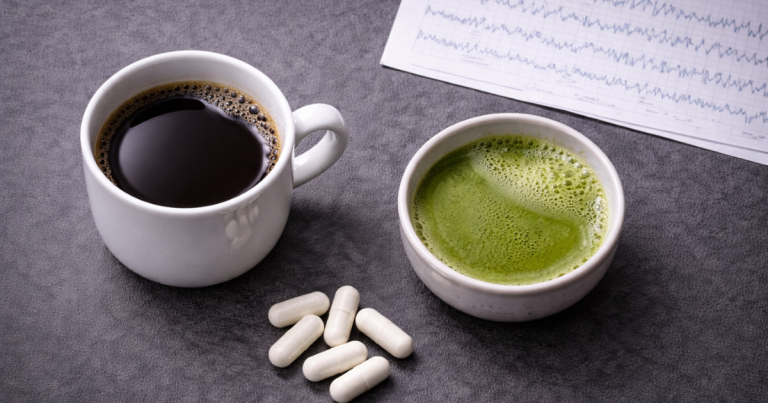
Rhodiola + Caffeine + L-Theanine (Advanced Focus Stack): Rhodiola’s cortisol modulation and monoamine preservation complement the adenosine-blocking mechanism of caffeine and the alpha wave-enhancing effect of L-theanine without pharmacological overlap. Rhodiola maintains the neurochemical environment in which caffeine and L-theanine can do their best work — particularly during the later hours of an extended demanding session when caffeine’s effects are waning and monoamine depletion would otherwise accelerate cognitive fatigue.
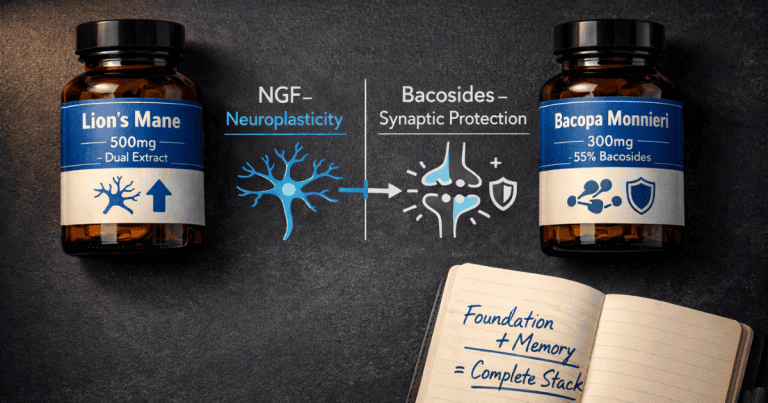
Rhodiola + Lion’s Mane + Bacopa (Complete Cognitive Foundation): This three-compound combination addresses cognitive enhancement from three distinct angles: stress resilience and anti-fatigue (Rhodiola), NGF-mediated neuroplasticity (Lion’s Mane), and cholinergic memory enhancement (Bacopa). There is no mechanistic overlap between these three compounds, making their combination genuinely additive or synergistic across cognitive domains.
Rhodiola standalone (introductory assessment): Before adding Rhodiola to an existing stack, I recommend a standalone two-week trial at 200mg morning-only. The goal is not to feel a dramatic effect — it is to establish that you tolerate the compound well, that your sleep is unaffected by morning timing, and that you understand your personal baseline response before introducing additional variables. This is the one-compound-at-a-time principle from the stacking guide applied specifically to Rhodiola.
Frequently Asked Questions About Rhodiola Rosea
What does Rhodiola Rosea do for cognitive performance?
Rhodiola Rosea is a clinically validated adaptogen that reduces mental fatigue, maintains cognitive performance under stress and sleep restriction, and modulates the HPA axis to produce a more appropriate and efficient physiological response to cognitive stressors. Its primary benefits are stress resilience and anti-fatigue effects — the ability to sustain focus, memory, and decision quality over extended demanding work sessions that would otherwise produce progressive cognitive degradation. It is not a stimulant and does not produce the acute alertness increase associated with caffeine.
How long does Rhodiola Rosea take to work?
Unlike neuroplasticity compounds such as Lion’s Mane and Bacopa, Rhodiola produces its anti-fatigue effects relatively quickly — within 30 minutes to 2 hours of ingestion for acute stress situations. The Darbinyan trial demonstrated significant cognitive benefits within a two-week supplementation period. Longer-term benefits — particularly HPA axis recalibration and more durable stress resilience — accumulate over weeks of consistent use. Rhodiola’s effects are most perceptible under conditions of stress or fatigue and least perceptible when you are well-rested and unstressed.
What is the correct Rhodiola Rosea dosage?
The evidence-based starting dose is 200mg daily of a standardized Rhodiola extract (minimum 3% rosavins, 1% salidroside), taken in the morning — 30–60 minutes before or with breakfast, never after 2pm. This corresponds to the lowest dose with replicated efficacy in published clinical trials. If insufficient response is observed after three weeks, increasing to 300–400mg is appropriate. Do not exceed 400mg daily and do not take in the afternoon or evening. Cycle with 5 days on, 2 days off to prevent tolerance development.
Why do I need to cycle Rhodiola Rosea?
Rhodiola requires cycling because continuous daily use leads to receptor downregulation — the body’s adaptive response to sustained stimulatory input — which progressively reduces the compound’s effectiveness. Unlike neuroplasticity compounds such as Lion’s Mane and Bacopa that benefit from uninterrupted use, Rhodiola’s adaptogenic and monoamine-modulating mechanisms are subject to tolerance development with continuous stimulation. Cycling 5 days on, 2 days off (or 8 weeks on, 2 weeks off) maintains receptor sensitivity and preserves the anti-fatigue and stress-resilience effects across long-term use.
Is Rhodiola Rosea safe to take every day?
Rhodiola is safe for daily use within a cycling protocol at cognitive enhancement doses (200–400mg of standardized extract). The systematic review of eleven clinical trials found no serious adverse events and good tolerability across diverse populations. The primary safety considerations are bipolar disorder (firm contraindication), antidepressant medication interactions (requires medical consultation), and sleep disruption if taken after 2pm. For healthy adults without these risk factors, daily use within a 5-on, 2-off cycling protocol is safe and well-supported by the clinical evidence.
Is Rhodiola Rosea Worth Taking? The Evidence-Based Verdict
The case for Rhodiola Rosea in a cognitive enhancement protocol is unusually straightforward by herbal supplement standards: multiple independent randomized controlled trials in authentic high-stress populations, two systematic reviews confirming consistent anti-fatigue effects across diverse study designs, a well-characterized mechanistic profile explaining why the compound works, and a safety record across those trials showing no serious adverse events at cognitive enhancement doses.
The important caveat is expectation calibration. Rhodiola will not make you feel dramatically more alert on your best days. It will make your worst days — the sleep-deprived, the high-stress, the cognitively demanding — perform significantly better than they otherwise would. For knowledge workers, students, researchers, and anyone whose performance is subject to the cognitive degradation that stress and fatigue reliably produce, that is an enormously valuable benefit. It is simply not the benefit that the nootropic marketing industry typically describes, which is why so many people miss it.
Use the 200mg morning-only starting dose. Cycle consistently. Give it three weeks before assessing — and assess it on your hardest days, not your easiest ones. Track your performance metrics against the baseline framework in the 90-day nootropic timeline, specifically during high-demand periods. That is when Rhodiola’s contribution to your cognitive performance becomes unambiguous.
For the complete intermediate protocol that Rhodiola anchors, see the advanced stack in the nootropic stacking guide. For the compound guides covering the full protocol, see the articles on Lion’s Mane and Bacopa Monnieri. And for the safety context governing responsible Rhodiola use, the complete nootropic safety guide covers every relevant consideration.
References
- Darbinyan, V., et al. (2000). Rhodiola rosea in stress induced fatigue — a double blind cross-over study of a standardized extract SHR-5. Phytomedicine, 7(5), 365–371. PubMed
- Shevtsov, V.A., et al. (2003). A randomized trial of two different doses of a SHR-5 Rhodiola rosea extract. Phytomedicine, 10(2–3), 95–105. PubMed
- Spasov, A.A., et al. (2000). A double-blind, placebo-controlled pilot study of the stimulating and adaptogenic effect of Rhodiola rosea SHR-5 extract on the fatigue of students. Phytomedicine, 7(2), 85–89. PubMed
- Ishaque, S., et al. (2012). Rhodiola rosea for physical and mental fatigue: a systematic review. BMC Complementary and Alternative Medicine, 12, 70. PubMed
- Hung, S.K., et al. (2011). The effectiveness and efficacy of Rhodiola rosea L.: a systematic review of randomized clinical trials. Complementary Therapies in Medicine, 19(1), 32–48. PubMed
- Olsson, E.M., et al. (2009). A randomised, double-blind, placebo-controlled, parallel-group study of the standardised extract SHR-5 of the roots of Rhodiola rosea in the treatment of subjects with stress-related fatigue. Planta Medica, 75(2), 105–112. PubMed
- Mao, J.J., et al. (2015). Rhodiola rosea versus sertraline for major depressive disorder: A randomized placebo-controlled trial. Phytomedicine, 22(3), 394–399. PubMed
- Panossian, A., & Wikman, G. (2010). Effects of adaptogens on the central nervous system and the molecular mechanisms associated with their stress-protective activity. Pharmaceuticals, 3(1), 188–224. PMC
- Lupien, S.J., et al. (2007). The effects of stress and stress hormones on human cognition. Brain and Cognition, 65(3), 209–237. PubMed
- Nabavi, S.F., et al. (2016). Rhodiola rosea as a putative botanical antidepressant. Phytomedicine, 23(7), 770–783. PubMed
Tags: Rhodiola Rosea, Rhodiola Rosea benefits, Rhodiola adaptogen, Rhodiola stress, Rhodiola cognitive performance, Rhodiola fatigue, SHR-5 Rhodiola, Rhodiola dosage, Rhodiola focus, Rhodiola cortisol, adaptogen nootropic, Rhodiola mental performance, Rhodiola anxiety, Rhodiola mood, cognitive enhancement adaptogen
About Peter Benson
Peter Benson is a cognitive enhancement researcher with 18+ years of personal and professional experience in nootropics, neuroplasticity, and brain optimization protocols. He has personally helped hundreds of individuals improve their mental performance through evidence-based supplementation and lifestyle strategies. NeuroEdge Formula is his platform for sharing rigorous, safety-first cognitive enhancement guidance.