The Pomodoro Technique: Does Timed Focus Actually Work?
The Pomodoro technique helps many people start, but studies found no extra output versus self-chosen breaks. What works, and how to use it.

The Pomodoro technique helps many people start, but studies found no extra output versus self-chosen breaks. What works, and how to use it.
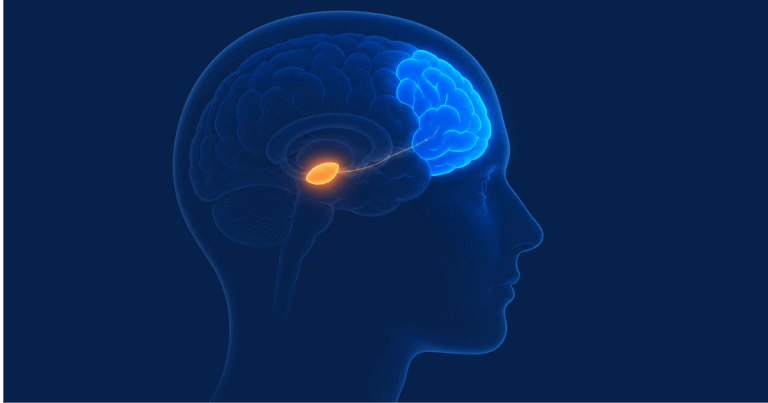
You have a deadline, you feel the dread, and you still open a new tab — then call yourself lazy. The neuroscience tells a different story. Procrastination is an emotion-regulation problem, not a discipline failure, and once you see what your brain is really doing, you can stop fighting the wrong battle.
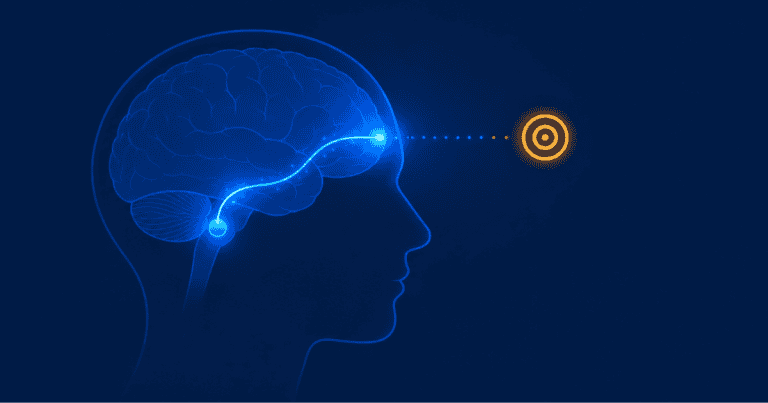
You know what you should be doing, and you still can’t start — so you blame your willpower. The neuroscience says otherwise. Motivation is a dopamine signal, not a character trait, and once you see how that signal actually works, the problem becomes an engineering task rather than a moral one.

Flow can’t be switched on, but research points to conditions that make it likelier. What flow is, what triggers it, and how early the brain science is.

The first hour after waking sets your whole day. A morning routine built on the actual science — light, the cortisol awakening response, hydration and movement — plus the right order to do it in.

Deep work is lost to switching, not lack of willpower. What the research says about interruptions, breaks and block length, and how to protect your focus.