
The Gut-Brain Connection: What the Evidence Shows
The gut and brain do talk, but the dramatic findings are in mice. Here is what human trials show, the serotonin myth, and the habits worth keeping.
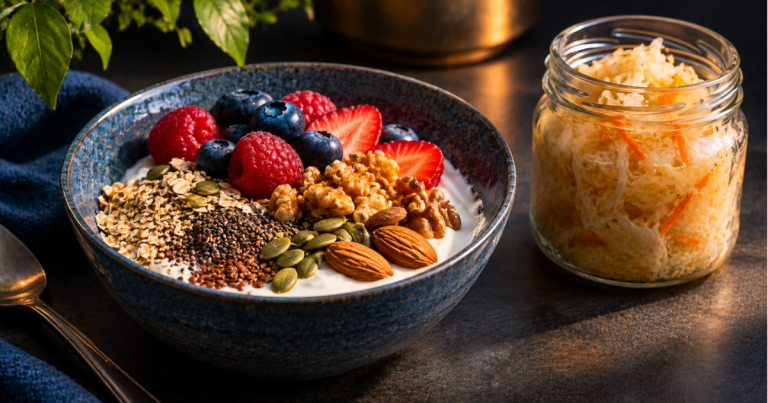
The gut and brain do talk, but the dramatic findings are in mice. Here is what human trials show, the serotonin myth, and the habits worth keeping.
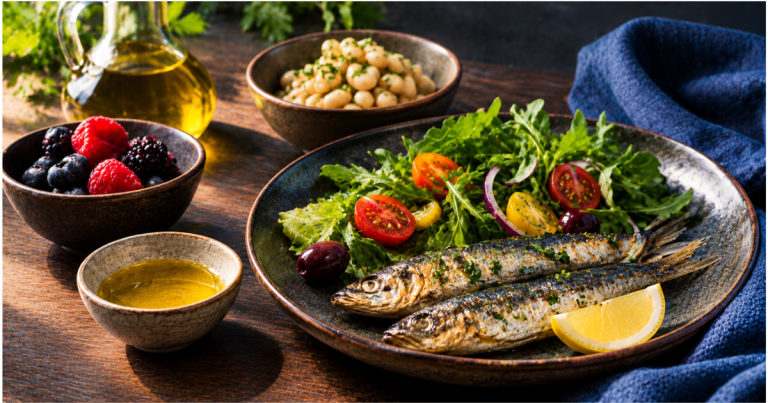
Mediterranean-style eating is linked with lower dementia rates, but diet trials are mixed. Which foods have the best case, what to cut, and what’s overstated.
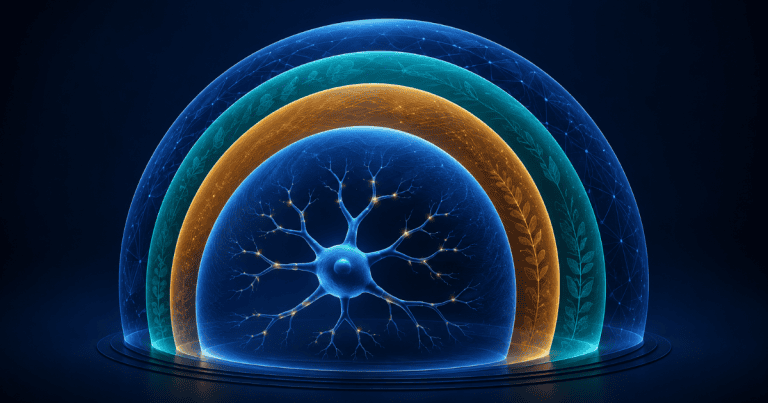
Cognitive decline is not inevitable. 70% of cognitive ageing is modifiable — not genetic. Four mechanisms drive decline: amyloid accumulation (addressed by N3 sleep for glymphatic clearance), neuroinflammation (Mediterranean diet and DHA), vascular damage (aerobic exercise and blood pressure control), and synaptic reserve depletion (language learning, musical training, cognitive challenge). Prevention must begin in midlife — amyloid accumulation starts 15-20 years before symptoms. The evidence is specific enough to match interventions to mechanisms.
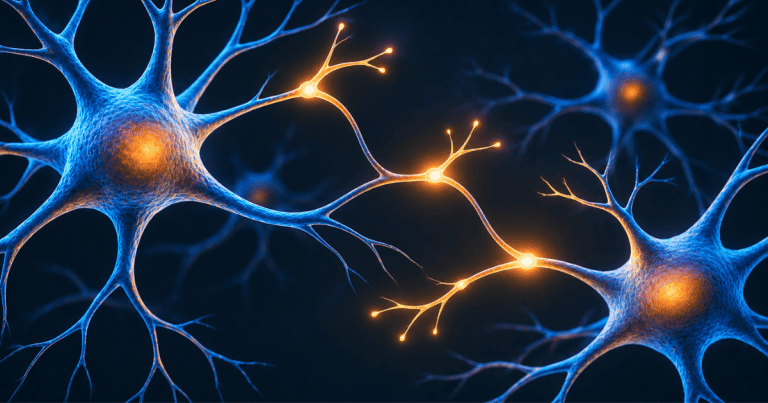
The adult brain keeps rewiring itself. Exercise, hard learning, sleep and lower stress have the evidence; brain games and supplements mostly don’t.

Magnesium L-threonate raises brain magnesium in rats; in people, three small trials found modest test-score gains. Dose, label tips and cautions.