
Ginkgo Biloba
⚕️ Educational Information, Not Medical Advice
This guide to ginkgo biloba is educational and not medical advice. Ginkgo is a herbal extract with real pharmacology and real interactions — if you take anticoagulants or antiplatelet drugs, have a seizure disorder, or have surgery scheduled, talk to your doctor before using it. Peter Benson is a cognitive enhancement researcher, not a medical doctor.
Ginkgo Biloba: What the Evidence Actually Shows
By Peter Benson, Cognitive Enhancement Researcher | 18+ Years Independent Research · Reviewed & citations verified: August 2026
💊 Dosage & Timing — a reference, not a prescription
| Dose used in trials | 120 mg twice daily (240 mg/day total). 240 mg/day is the commonly cited maximum. |
| Form to look for | Standardised leaf extract to roughly 24% flavone glycosides and 6% terpene lactones — the specification the clinical extract (EGb 761) is built to. Unstandardised “ginkgo powder” isn’t the same thing. |
| When to take | With food, split morning and midday. No strong timing evidence; splitting the dose matches how the trials dosed it. |
| Time to any effect | Weeks. The trials that found anything ran 22–26 weeks. There is no acute “dose and feel sharper” effect to expect. |
| How to start | If you try it at all, clear it with your doctor first (see cautions), start at the low end, and set a stop date to judge honestly. |
These are the doses used in the trials, given as a starting reference — not a personalised recommendation. Product and brand names live in Sourcing Standards, below.
Ginkgo biloba is one of the best-selling “brain” supplements in the world, and one of the most thoroughly tested — which makes it a rare case where we can actually answer the question “does it work?” rather than guess. That’s why it’s worth a careful look: the marketing and the evidence point in noticeably different directions, and knowing the gap between them is more useful than another list of supposed benefits. This is part of the Nootropics & Supplements guide.
The short version: the pharmacology is genuinely plausible, the two biggest and longest prevention trials came back clearly negative, there’s a modest and heavily manufacturer-funded signal in people who already have dementia, and the “memory booster for healthy people” use — the way most bottles are sold — has thin support. None of that makes ginkgo a scam; it makes it a well-studied extract whose real evidence is narrower than its reputation.
Why ginkgo should work — the plausible mechanism
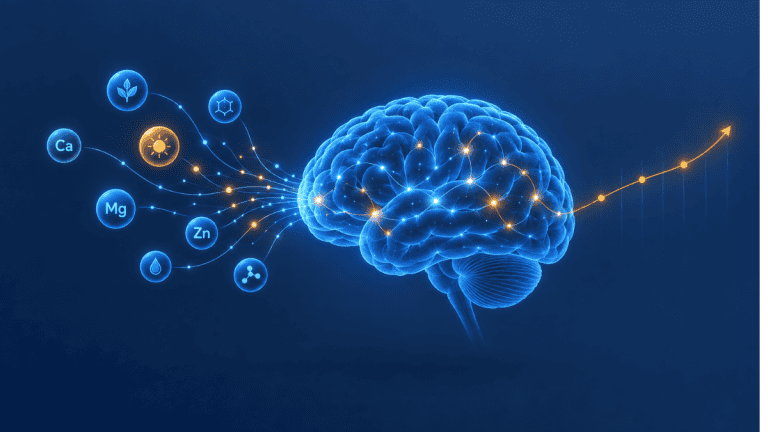
Ginkgo’s case rests on a few reasonable-sounding mechanisms. The standardised extract is rich in flavonoid antioxidants and unique terpene lactones (ginkgolides, bilobalide). It’s been shown to improve some measures of blood flow and blood-vessel function, to scavenge free radicals, and — via the ginkgolides — to antagonise platelet-activating factor, which is also the root of the bleeding concern we’ll get to. Put together, “better cerebral circulation plus antioxidant protection” is a tidy story for why an ageing brain might benefit.
The trouble is that plausible mechanisms are cheap. Plenty of compounds do sensible-looking things in a test tube or a blood-flow measurement and then fail to change anything a person would notice. The only way to know is to test the actual outcome that matters — does it protect memory and thinking? — in large, long, controlled trials. Ginkgo has had exactly those, which is why we can be unusually specific here.
Prevention: the two big trials both came back negative
The Ginkgo Evaluation of Memory (GEM) study is the one that settled the prevention question for most researchers. It randomised roughly 3,000 US adults aged 75 and over to 240 mg/day of standardised ginkgo or placebo and followed them for about six years. Ginkgo did not reduce the rate of dementia or Alzheimer’s disease (DeKosky et al., 2008). A follow-up analysis of the same trial found it did not slow cognitive decline either (Snitz et al., 2009). The US National Center for Complementary and Integrative Health summarised it bluntly: at 240 mg/day, ginkgo was ineffective at reducing dementia and Alzheimer’s in older people.
Europe’s answer, the GuidAge trial, tested the same idea in a different population: over 2,800 adults aged 70+ in France who had spontaneously complained of memory problems, given standardised ginkgo or placebo for five years. The result matched GEM — over five years, 61 people on ginkgo developed Alzheimer’s versus 73 on placebo, a difference that was not statistically significant (Vellas et al., 2012). Two large, long, independent prevention trials, two negative results. When people say “the evidence doesn’t support ginkgo for preventing dementia,” this is what they mean.
The honest takeaway isn’t “ginkgo is useless” — it’s narrower and more precise: as generally used, standardised ginkgo does not prevent dementia in older adults with or without mild cognitive impairment, and shouldn’t be taken with that expectation. If prevention is your goal, the interventions with real evidence live in preventing cognitive decline and across the Brain Health & Longevity pillar — not in a ginkgo bottle.
Treating existing dementia: a modest, and heavily sponsored, signal
Here’s where it gets more interesting — and where honest reporting matters most. Preventing dementia in healthy people and treating people who already have dementia are different questions, and ginkgo’s record on the second is better than on the first. Several trials of EGb 761 at 240 mg/day in patients with mild-to-moderate dementia — particularly those with neuropsychiatric symptoms — have found modest improvements in cognition, everyday functioning and behavioural symptoms (Herrschaft et al., 2012), and some meta-analyses of these EGb 761 trials reach a cautiously positive conclusion.
Two caveats keep this honest. First, the picture is genuinely mixed: broader systematic reviews that pool all the dementia and cognitive-impairment trials have repeatedly concluded the evidence of benefit is inconsistent and not convincing, even while confirming the extract is safe. Second — and this is the part the marketing never mentions — much of the positive EGb 761 literature is funded or conducted in association with the extract’s manufacturer. That doesn’t make the findings wrong, but industry-sponsored trials of a product tend to look more favourable than independent ones, so a modest, sponsor-linked benefit deserves modest, cautious weight.
So the fair summary for dementia treatment: possibly a small adjunctive benefit at 240 mg/day for some symptomatic patients, worth discussing with a physician — not a substitute for established treatments, and not evidence that ginkgo helps a healthy brain.
The way it’s actually sold: memory boosting for healthy people
Most ginkgo is bought by healthy adults hoping for sharper memory and focus — and this is the use with the least support. The big prevention trials enrolled normal or mildly impaired elderly and found no cognitive benefit; trials in healthy younger adults have generally found little to nothing on objective memory and attention tests. If you’re a healthy person expecting ginkgo to make you noticeably sharper, the evidence says to keep your expectations low. For a realistic frame on what supplements can and can’t do, see what to expect from nootropics — and for a botanical with better human evidence for healthy-adult memory, bacopa monnieri is the more defensible starting point.
Worked example — how to trial a “meh-evidence” supplement without fooling yourself
Ginkgo is a useful teaching case because the evidence is weak-to-modest — exactly the situation where people talk themselves into an effect that isn’t there. Here’s a disciplined way to test it (the same method applies to any borderline supplement).
Step 1 — Clear it medically. Because ginkgo has real interactions, run it past your doctor first if you take blood thinners/antiplatelets, have a seizure disorder, or have surgery coming up (see cautions below). No experiment is worth a bleeding or seizure risk.
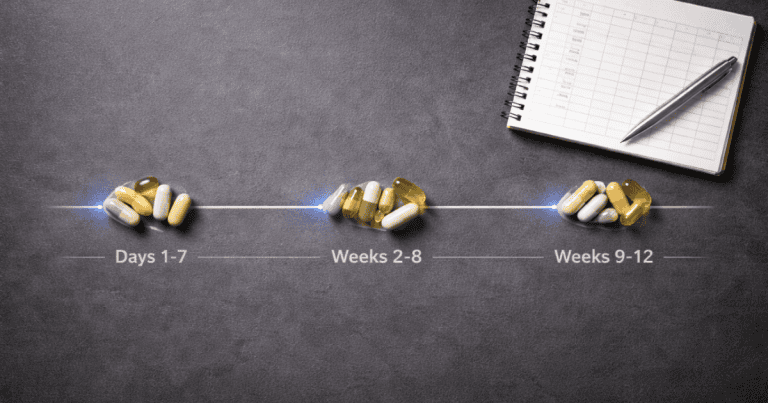
Step 2 — Pre-commit to an outcome and a stop date. Before you start, write down the one thing you’d expect to improve and how you’ll measure it (an objective task, not a vibe), and set a review date 8–12 weeks out — because any real effect takes weeks, and a fixed end date stops “just one more month” rationalising.
Step 3 — Change one thing. Don’t start ginkgo the same week you fix your sleep, add caffeine, or start exercising. If three things change, you learn nothing about ginkgo. Hold everything else steady.
Step 4 — Judge against a low prior, and stop if it’s flat. Given the evidence, expect nothing and require a clear, sustained signal to continue — not a good day or two. If your measure hasn’t moved by the stop date, stop. Spending money and swallowing capsules for an effect you can’t detect is the failure mode this method exists to prevent.
Ginkgo biloba — evidence hierarchy
🟢 Well supported | 🟡 Modest / mixed | 🔴 Commonly claimed, not supported.
The NeuroEdge Protocol
The NeuroEdge Ginkgo Position
Not every compound earns a “how to take it” protocol. For ginkgo, the honest protocol is mostly about expectations. Updated August 2026.
If you’re healthy and chasing focus
Ginkgo is not the pick. The healthy-adult evidence is thin — spend the effort on sleep, exercise and the better-evidenced basics first.
If you’re chasing prevention
Two large RCTs say ginkgo won’t do it. Put the money toward interventions that actually move the needle on cognitive decline instead.
If dementia is in the picture
The modest 240 mg/day adjunct signal is a conversation to have with a physician — alongside, never instead of, established care.
If you try it anyway
Standardised extract, 240 mg/day, medical clearance for the interactions, and the honest 8–12 week stop-rule trial from the worked example above.

Peter’s Testing Notes — ginkgo biloba
Not a current part of my stack · first-person, n=1
I’ll be straight: ginkgo isn’t in my daily stack, and this article is the reason why rather than a testimonial for it. I trialled it years ago expecting the memory effect the bottles promise, ran it for a couple of months, and noticed nothing I could distinguish from normal day-to-day variation — which, given what the prevention and healthy-adult trials show, is exactly what I’d now predict. That’s not a knock on the extract; it’s a knock on the marketing.
Where I’ve landed is that ginkgo is a well-made, well-tolerated extract in search of a use case that the evidence doesn’t clearly provide for healthy people. My compounds with better human data for what I actually want — encoding, focus, resilience — sit elsewhere in the stack. (First-person, qualitative — reported as direction, not measured effect sizes.)
⚠️ Cautions & Interactions
Anticoagulants / antiplatelets — the famous one, in proportion. Ginkgo is endlessly described as a dangerous blood-thinner because of its platelet-activating-factor antagonism. In reality, controlled trials and a meta-analysis of standardised extract found no meaningful effect on clotting and no real interaction with warfarin or aspirin — the alarm rests mostly on isolated case reports. Still, given the stakes, if you take warfarin, a DOAC, aspirin or other antiplatelets, don’t add ginkgo without your doctor’s sign-off.
Surgery. The standard precaution is to stop ginkgo well before elective surgery (commonly ~1–2 weeks) and to tell your surgical team you’ve been taking it — a sensible default even though the bleeding signal is weak.
Seizure disorders. Ginkgo seeds contain ginkgotoxin, which can lower the seizure threshold; leaf extracts contain only trace amounts, but people with epilepsy or a seizure history should be cautious and check with their doctor. Never consume raw or roasted ginkgo seeds.
Common side effects & other notes. Usually mild — headache, GI upset, palpitations, and occasional allergic skin reactions. Ginkgo may also interact with some medications metabolised by the liver’s CYP enzymes; if you take prescription drugs, check for interactions. Not established as safe in pregnancy or breastfeeding.
This is not a complete list of interactions or precautions. Talk to your doctor or pharmacist before starting ginkgo, especially if you take any regular medication or have a medical condition.
Sourcing standards
If you decide to try ginkgo despite the modest evidence, the thing that matters is standardisation: look for a leaf extract standardised to roughly 24% flavone glycosides and 6% terpene lactones (the specification the clinical extract is built to), with third-party testing and the extract ratio clearly stated. Avoid unstandardised “ginkgo leaf powder,” which isn’t comparable to what the trials used. Ginkgo isn’t part of my own stack, so I’m not linking a specific product here — I only attach a shop link to compounds I personally use and can stand behind.
Key takeaways
| → | Ginkgo does not prevent dementia — the two largest, longest RCTs (GEM and GuidAge) were both negative, and it didn’t slow decline in healthy elderly either. |
| → | There’s a modest, mixed signal for EGb 761 240 mg/day in people who already have mild-to-moderate dementia — but that literature is largely manufacturer-linked, so weight it cautiously. |
| → | The healthy-adult memory boost — how it’s mostly sold — has little support. Expectations should be low. |
| → | The “dangerous blood-thinner” reputation is overstated by controlled evidence — but caution around anticoagulants, surgery and seizure disorders is still the right default. |
| → | If you try it, use a standardised extract, get medical clearance for the interactions, and run an honest 8–12 week trial with a pre-set stop rule. |
Frequently asked questions
Does ginkgo biloba actually improve memory?
For healthy people, the evidence says not meaningfully. The largest trials found no cognitive benefit in normal or mildly impaired older adults, and healthy-adult studies are largely null. There’s a modest, mixed signal in people who already have dementia at 240 mg/day, but that’s a different population and a largely manufacturer-funded literature. If you’re healthy and want sharper memory, ginkgo is a poor bet.
Does ginkgo prevent dementia or Alzheimer’s?
No, based on the best evidence. The GEM study (~3,000 elderly, ~6 years) and the GuidAge trial (~2,800 elderly, 5 years) both found ginkgo did not reduce the incidence of dementia or Alzheimer’s. Taking it for prevention isn’t supported.
Is ginkgo dangerous with blood thinners?
The risk is smaller than its reputation. Controlled trials and a meta-analysis of standardised extract found no real effect on clotting and no meaningful interaction with warfarin or aspirin; the concern comes mainly from case reports. That said, because the consequences of bleeding are serious, the sensible default is not to combine ginkgo with anticoagulants or antiplatelets without your doctor’s approval, and to stop it before surgery.
What dose and form should I look for?
The trials used a standardised leaf extract at 120 mg twice daily (240 mg/day), standardised to about 24% flavone glycosides and 6% terpene lactones. If you use it, match that specification — unstandardised ginkgo powder isn’t equivalent — and give it weeks, since there’s no acute effect to feel on day one.
If ginkgo doesn’t work, what’s a better-evidenced option?
It depends on the goal. For healthy-adult memory, bacopa monnieri has better human evidence. For prevention, the real levers are lifestyle — sleep, exercise, cardiovascular and metabolic health — covered in the Brain Health & Longevity pillar. Ginkgo’s niche, if it has one, is a physician-guided adjunct in existing dementia, not a general brain booster.
Get “7 Days to a Sharper Brain” — Free
Peter Benson’s personal daily protocol, rebuilt from 18 years of testing.
✓ Day 1 — Sleep foundation + Magnesium Glycinate
✓ Day 2 — L-Theanine + Caffeine focus stack
✓ Day 3 — Brain nutrition timing for stable energy
✓ Day 4 — BDNF movement protocol
✓ Day 5 — 90-60-30 sleep environment sequence
✓ Day 6 — Stress resilience + cognitive load framework
✓ Day 7 — Neuroplasticity, Lion’s Mane + your complete assembled daily stack
Join 2,000+ readers optimising their cognitive performance. Unsubscribe anytime.
Scientific references
1. DeKosky, S. T., Williamson, J. D., Fitzpatrick, A. L., et al.; Ginkgo Evaluation of Memory (GEM) Study Investigators. (2008). Ginkgo biloba for prevention of dementia: a randomized controlled trial. JAMA, 300(19), 2253–2262. PMID 19017911
2. Snitz, B. E., O’Meara, E. S., Carlson, M. C., et al.; GEM Study Investigators. (2009). Ginkgo biloba for preventing cognitive decline in older adults: a randomized trial. JAMA, 302(24), 2663–2670. PMID 20040554
3. Vellas, B., Coley, N., Ousset, P. J., et al.; GuidAge Study Group. (2012). Long-term use of standardised ginkgo biloba extract for the prevention of Alzheimer’s disease (GuidAge): a randomised placebo-controlled trial. The Lancet Neurology, 11(10), 851–859. Lancet Neurol 11(10):851–859
4. Herrschaft, H., Nacu, A., Likhachev, S., et al. (2012). Ginkgo biloba extract EGb 761 in dementia with neuropsychiatric features: a randomised, placebo-controlled trial to confirm the efficacy and safety of a daily dose of 240 mg. Journal of Psychiatric Research, 46(6), 716–723. PMID 22459264
5. Kellermann, A. J., & Kloft, C. (2011). Is there a risk of bleeding associated with standardized Ginkgo biloba extract therapy? A systematic review and meta-analysis. Pharmacotherapy, 31(5), 490–502. DOI 10.1592/phco.31.5.490
6. Bone, K. M. (2008). Potential interaction of Ginkgo biloba leaf with antiplatelet or anticoagulant drugs: what is the evidence? Molecular Nutrition & Food Research, 52(7), 764–771. PMID 18214851
7. National Center for Complementary and Integrative Health (NCCIH). The Ginkgo Evaluation of Memory (GEM) Study. nccih.nih.gov
Peter Benson
Cognitive Enhancement Researcher | 18+ Years Independent Research
Peter reviews cognitive-enhancement compounds against their primary evidence — including the ones, like ginkgo, that don’t make the cut for healthy adults. He doesn’t currently take ginkgo, and this guide reflects the evidence rather than a recommendation.
Last reviewed: August 2026 | Educational content only. Not medical advice.