Intermittent Fasting and Brain Health: What the Evidence Shows
Short fasts don’t dull thinking in healthy adults, but they don’t sharpen it either. What the human evidence on fasting and the brain actually shows.
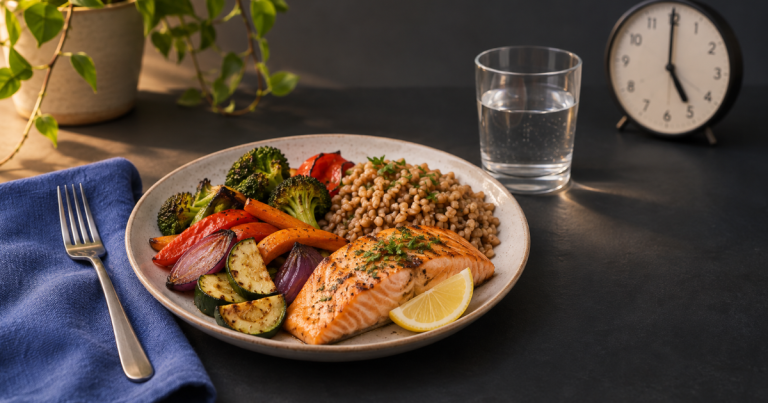
Short fasts don’t dull thinking in healthy adults, but they don’t sharpen it either. What the human evidence on fasting and the brain actually shows.

The gut and brain do talk, but the dramatic findings are in mice. Here is what human trials show, the serotonin myth, and the habits worth keeping.

The changes that help most tonight are free: alcohol, caffeine timing, evening light and a warm shower. What the evidence says, and where supplements fit.

Most citicoline vs alpha-GPC comparisons miss the point. These compounds work through fundamentally different pathways, serve different purposes, and come with a genuinely different safety profile. Here is what 18 years of research and personal testing actually tells you about choosing between them
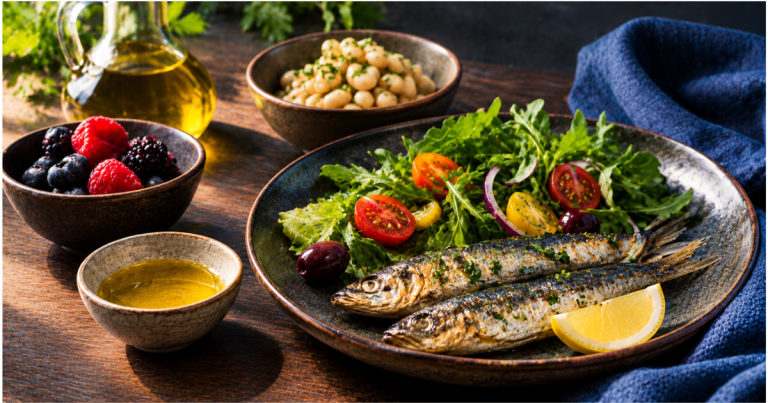
Mediterranean-style eating is linked with lower dementia rates, but diet trials are mixed. Which foods have the best case, what to cut, and what’s overstated.
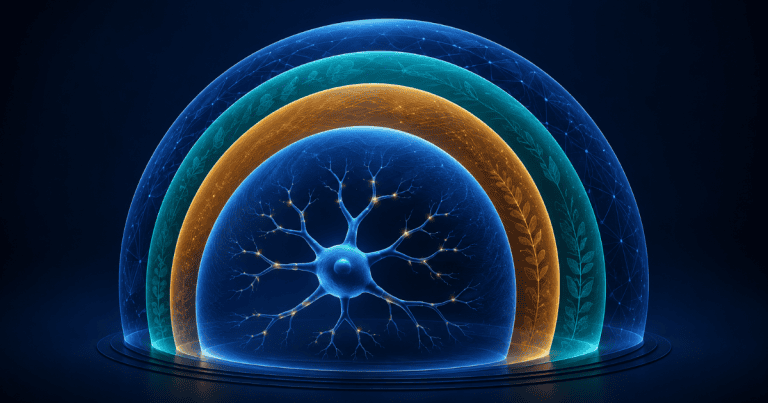
Cognitive decline is not inevitable. 70% of cognitive ageing is modifiable — not genetic. Four mechanisms drive decline: amyloid accumulation (addressed by N3 sleep for glymphatic clearance), neuroinflammation (Mediterranean diet and DHA), vascular damage (aerobic exercise and blood pressure control), and synaptic reserve depletion (language learning, musical training, cognitive challenge). Prevention must begin in midlife — amyloid accumulation starts 15-20 years before symptoms. The evidence is specific enough to match interventions to mechanisms.

No sleep supplement has strong evidence. Ashwagandha, magnesium, glycine, L-theanine and melatonin ranked by their trials, with safety notes.
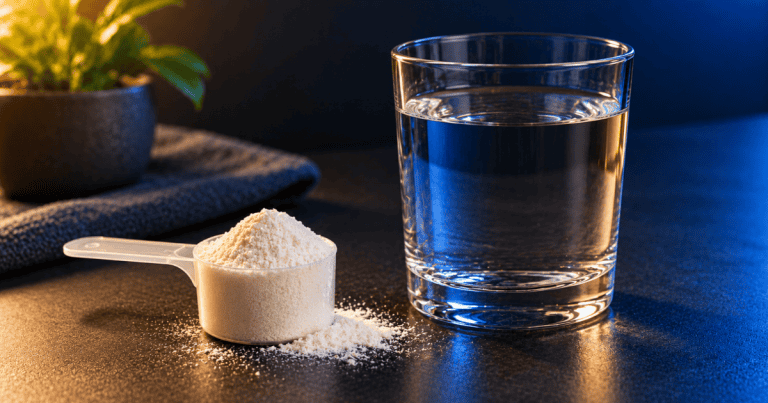
Creatine’s brain benefits are smaller and less certain than its reputation. Here is what the trials, the meta-analyses and the EU regulator found.
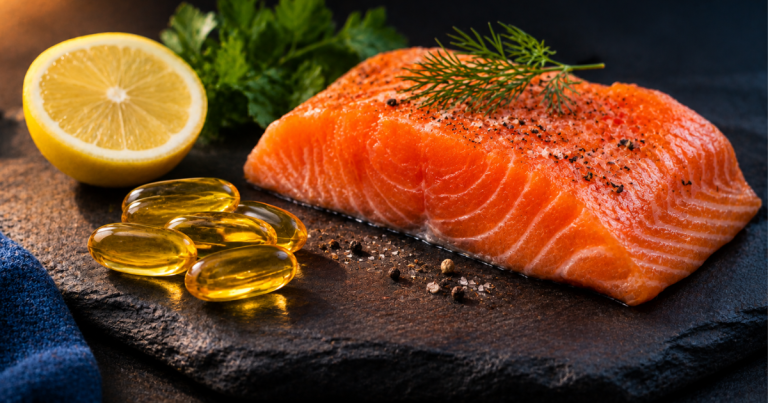
DHA is part of the brain’s structure, but supplement trials are mostly negative. Here is what they found and who has reason to take it.