Cost of Multitasking
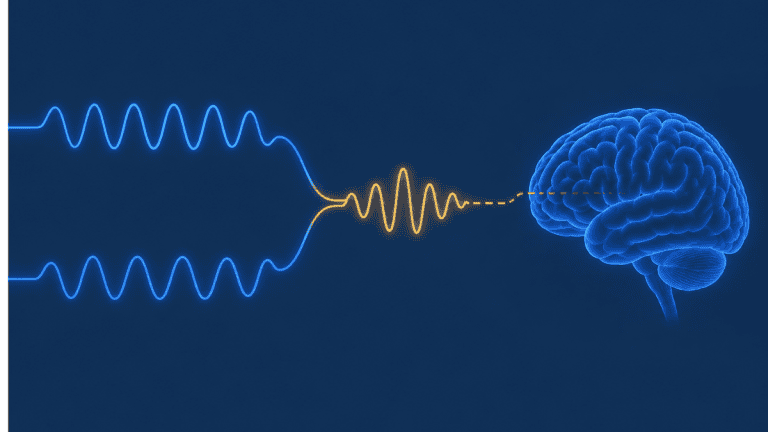
Multitasking is really task-switching — and every switch has a cost. A cognitive enhancement researcher separates the solid science of switch costs from the shaky claims of permanent focus damage, and shows how to switch less.

Multitasking is really task-switching — and every switch has a cost. A cognitive enhancement researcher separates the solid science of switch costs from the shaky claims of permanent focus damage, and shows how to switch less.

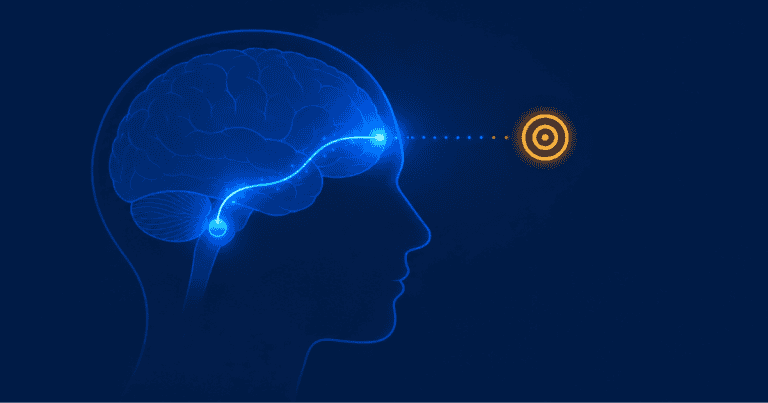
You have a deadline, you feel the dread, and you still open a new tab — then call yourself lazy. The neuroscience tells a different story. Procrastination is an emotion-regulation problem, not a discipline failure, and once you see what your brain is really doing, you can stop fighting the wrong battle.

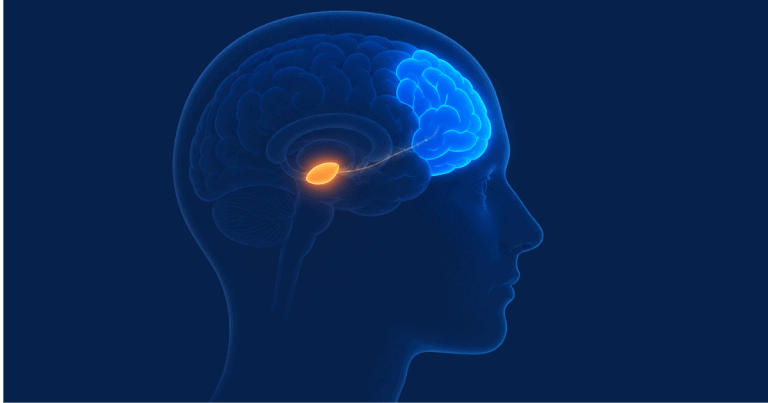
You know what you should be doing, and you still can’t start — so you blame your willpower. The neuroscience says otherwise. Motivation is a dopamine signal, not a character trait, and once you see how that signal actually works, the problem becomes an engineering task rather than a moral one.

The first hour after waking sets your whole day. A morning routine built on the actual science — light, the cortisol awakening response, hydration and movement — plus the right order to do it in.

You’re not weak-willed — apps are engineered to capture your attention. How digital distraction exploits the brain’s reward-learning system, the real cost of a phone’s mere presence, and why environment beats willpower.

Deep work isn’t a willpower problem — it’s an attention-protection problem. The real science of sustained focus, why the “23 minutes” myth is wrong, and the exact protocol Peter uses.