Sleep and Memory Consolidation
Waking takes information in; sleep makes it stick. What deep sleep does for memory, the key experiments, and why you can’t learn new facts asleep.

Waking takes information in; sleep makes it stick. What deep sleep does for memory, the key experiments, and why you can’t learn new facts asleep.
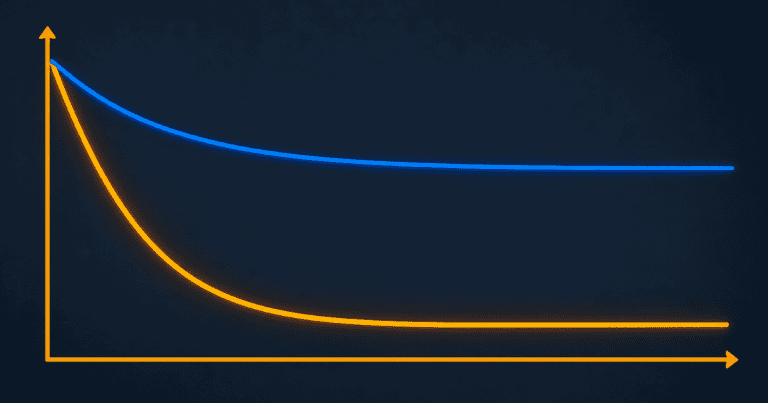
Forgetting is fastest soon after learning, then slows. What the forgetting curve shows, why rereading barely helps, and how to slow it down.

The best ways to improve memory are free: test yourself, space your reviews and protect sleep. Here is what the evidence supports, and what it doesn’t.
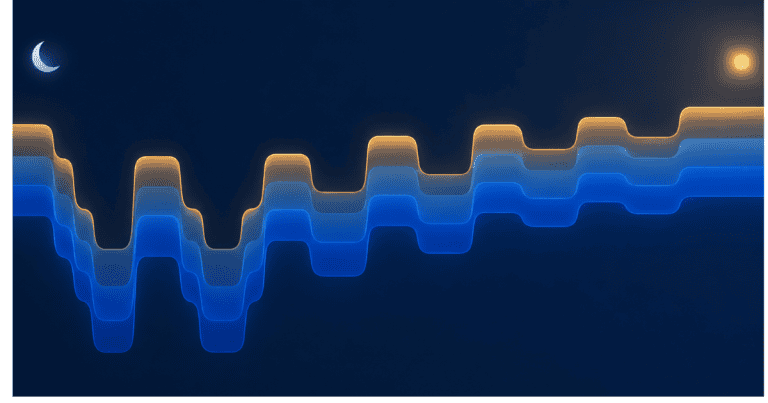
Sleep has a structure, not just a duration. What happens across the stages and cycles of a night, why the shape isn’t symmetrical, what slow-wave sleep does for memory, and an honest look at the claims wearables and headlines get wrong.
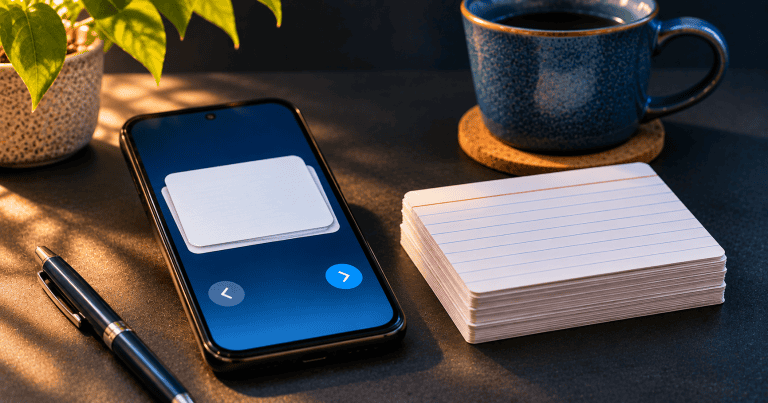
Spacing reviews out beats cramming across hundreds of experiments. How spaced repetition works, choosing gaps, making good cards and picking an app.
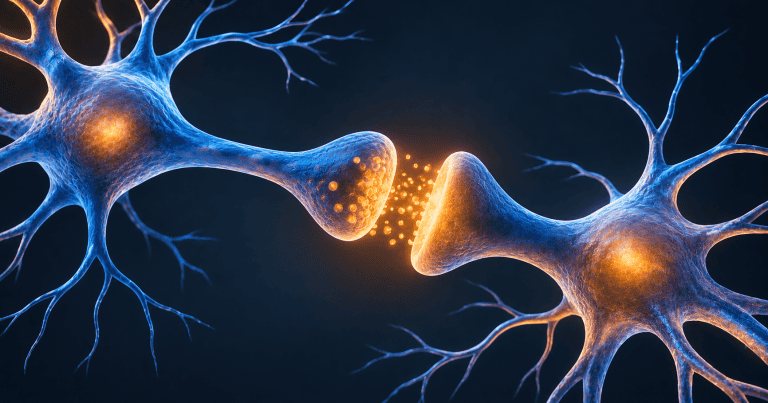
How memories form, in plain terms: encoding, consolidation and retrieval, what sleep and exercise do, and which study methods have the strongest evidence.