Active Recall
Rereading feels productive but rarely builds durable memory. Active recall — retrieving instead of reviewing — is one of the best-evidenced techniques in learning science. Here’s why, and how to do it.

Rereading feels productive but rarely builds durable memory. Active recall — retrieving instead of reviewing — is one of the best-evidenced techniques in learning science. Here’s why, and how to do it.

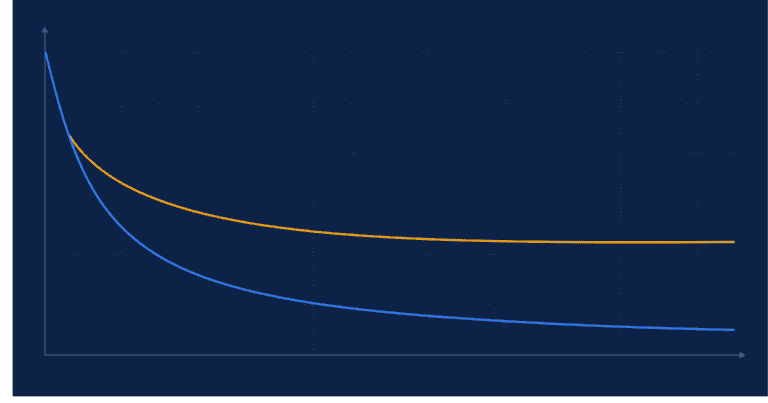
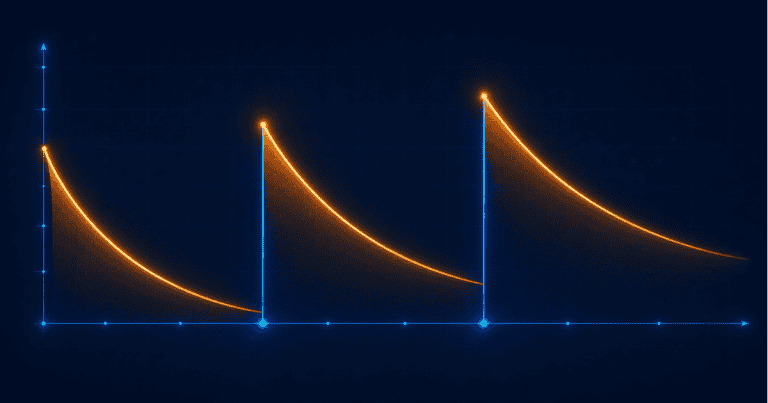
You finish a chapter feeling like you’ve learned it — and a week later most of it is gone. That’s not a bad memory; it’s the forgetting curve, a predictable pattern of memory decay that applies to almost everyone. Understand its shape and you can bend it, using the two techniques that actually make learning stick.

Spaced repetition is the most evidence-backed learning technique available — and the one most systematically ignored. The Cepeda et al. (2006) meta-analysis of 317 experiments confirms it outperforms massed practice across all conditions. But the mechanism most people miss is that the benefit comes from the retrieval attempt, not the re-exposure. This guide covers the neuroscience, the correct Anki implementation, the 85% accuracy calibration rule, the sleep integration that multiplies retention gains, and the cholinergic supplement stack that supports memory encoding.