Blue Light and Screens
Educational information, not medical advice. This article covers everyday screen use, not eye disease. Persistent eye pain, vision changes or sleep problems should be assessed by an optometrist, ophthalmologist or doctor rather than self-managed from an article.
| The fear (overblown) | Screen blue light does not damage your eyes. The amount your eyes get from a screen is roughly a thousandth of daylight; the macular-damage scare comes from cell studies at extreme, unrealistic intensities. |
| Blue-light glasses | A 2023 Cochrane review of 17 trials found no clear benefit for eye strain, and eye specialists don’t recommend them. If you bought a clear pair to fix tired eyes, the evidence isn’t with you. |
| Eye strain is real | Digital eye strain exists — but it’s caused by reduced blinking, focusing effort and glare, not blue light. The fix is breaks and screen setup, not tinted lenses. |
| The real concern | Bright light in the evening suppresses melatonin and can delay your body clock (Chang 2015). That’s the genuine issue — but it’s about brightness and timing, not the “blue” specifically. |
| What to do | For eyes: take breaks. For sleep: dim screens and put devices away earlier, and get bright light in the morning. Behaviour beats gadgets here. |
Blue Light, Screens and Your Brain: Sorting Fact from Fear
By Peter Benson, Cognitive Enhancement Researcher | 18+ Years Independent Research · Last Updated: September 2026
Few topics in the screen-and-brain conversation generate as much anxiety, and as much marketing, as blue light. You’ve been warned it damages your eyes, sold glasses to block it, and told it’s wrecking your sleep. The strange thing is that most of that story is either wrong or badly overstated — and yet buried inside it is one genuine, well-evidenced concern that’s worth taking seriously. The problem is that the real issue and the marketing myths have been blended into a single scare, so people end up worrying about the wrong thing and spending money on the wrong fix.
This guide separates the fact from the fear, point by point: whether screens damage your eyes, whether blue-light glasses do anything, what actually causes tired eyes, and where blue light genuinely matters. It’s a biohacking topic where the evidence-first read saves you both worry and money.
The Fear: Does Screen Blue Light Damage Your Eyes?
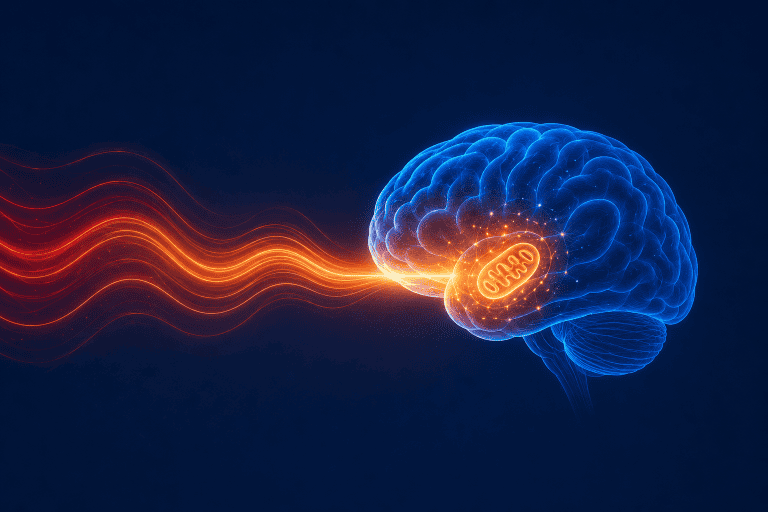
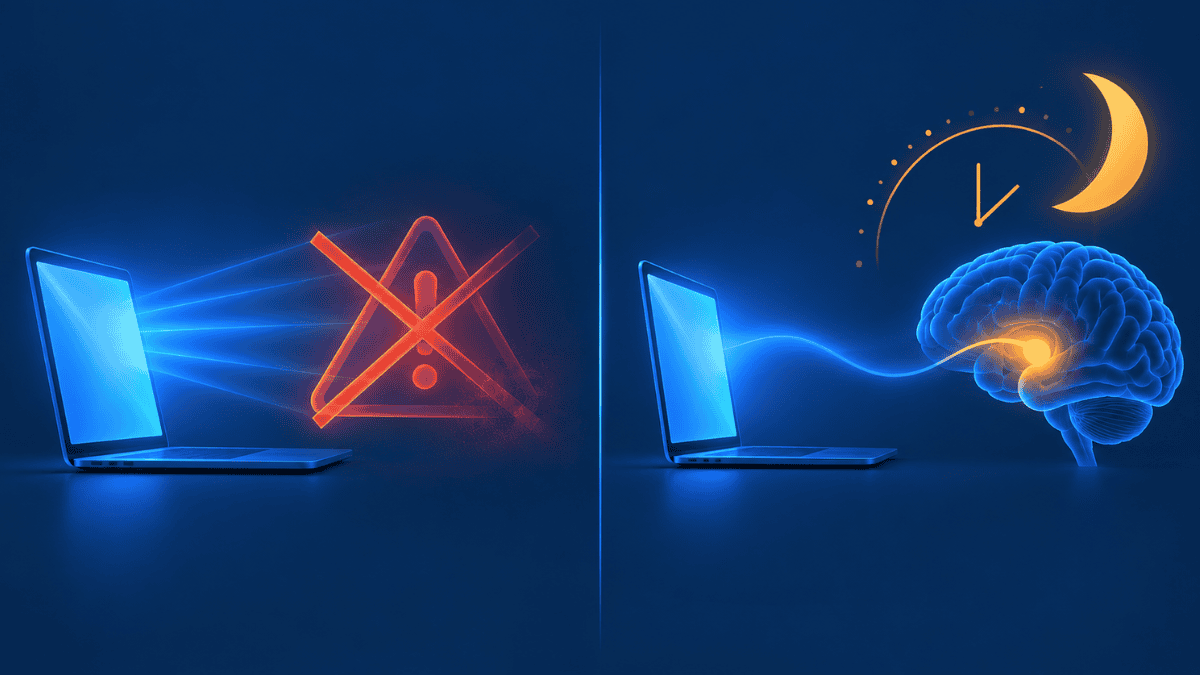
Start with the scariest claim, because it’s also the weakest. The idea that the blue light from your phone or laptop is slowly damaging your retina — raising your risk of macular degeneration — is not supported by the evidence. The single most clarifying fact here is one of scale: the amount of blue light your eyes receive from a screen is roughly a thousandth of what you get from ordinary daylight. If screen-level blue light were genuinely retina-damaging, a walk outside would be catastrophic — and it isn’t.
So where did the fear come from? Largely from laboratory studies that exposed isolated retinal cells to blue light at intensities orders of magnitude higher than any consumer device produces. That’s a legitimate way to study cell biology, but it tells you almost nothing about the effect of glancing at your phone. Extrapolating from cells blasted with extreme light to a person scrolling in bed is exactly the kind of leap that turns a lab curiosity into a consumer scare. On current evidence, normal screen use is not a meaningful threat to eye health.
Blue-Light Glasses: What the Evidence Actually Says
Blue-light-blocking glasses became a multi-billion-dollar category on the promise of relieving eye strain. The best available evidence doesn’t support it. A 2023 Cochrane review — the gold standard of evidence synthesis — pooled 17 randomised controlled trials across six countries and found that blue-light filtering lenses probably make no meaningful difference to eye strain from computer work compared with ordinary lenses. Its authors were direct: the findings do not support prescribing these lenses to the general population. The American Academy of Ophthalmology takes the same line and does not recommend them for digital eye strain.
What about sleep, the other big claim? Here the review found the evidence inconclusive — the trials that measured sleep produced inconsistent, largely unconvincing results. There’s a mechanistic reason to be sceptical of the clear “computer glasses” most brands sell: near bedtime, bright light at any wavelength suppresses melatonin, and the modest filtering inside a pair of lenses doesn’t move the needle much. None of this means the glasses harm you — reported downsides were minor — but if you bought a pair expecting relief from tired eyes or transformed sleep, the evidence simply isn’t there.
But Digital Eye Strain Is Real — Just Not From Blue Light
It’s important not to overcorrect here. If your eyes ache and feel dry by late afternoon, that discomfort is genuine — digital eye strain is a real phenomenon. The mistake is blaming the wrong culprit. The actual causes are mechanical and behavioural: when you stare at a screen you blink far less often, which dries the eyes; your focusing muscles hold tension for hours; and glare, poor lighting, screen distance and posture all add to the load. Blue light isn’t on that list.
That’s good news, because it means the fix is free and effective. The most-cited approach is the 20-20-20 rule — every 20 minutes, look at something about 20 feet away for 20 seconds — which relaxes the focusing system and prompts you to blink. Add deliberate blinking, lubricating drops if you’re dry, sensible screen distance and brightness, and reduced glare, and you address eye strain at its source. Tinted lenses target a cause that isn’t causing the problem; break habits target the ones that are.
The Legitimate Concern: Evening Light and Your Body Clock
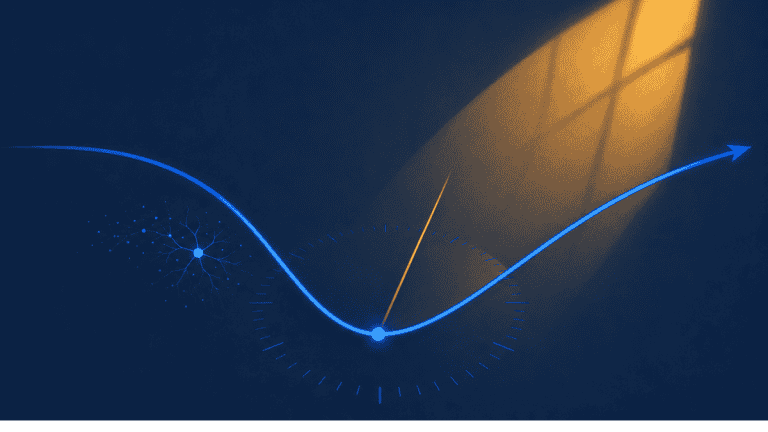
Now the part that’s genuinely real. Your body clock takes its main cue from light, and light in the evening — especially bright, blue-enriched light — suppresses the sleep hormone melatonin and can nudge your circadian rhythm later. In a well-known controlled study, Chang and colleagues (2015) had people read on a light-emitting device before bed and compared it with reading a printed book. The device readers took longer to fall asleep, had suppressed melatonin, shifted their circadian timing later, and were groggier the next morning. So the underlying mechanism — evening light disrupting sleep and the clock — is real, and it matters for how you think and feel the next day.
This is the kernel of truth the marketing latched onto — and then distorted. The concern is legitimate; the framing “blue light from screens is ruining your sleep, so buy blue-blockers” is not the right conclusion to draw from it, as the next section explains.
How Big Is the Effect, Really?
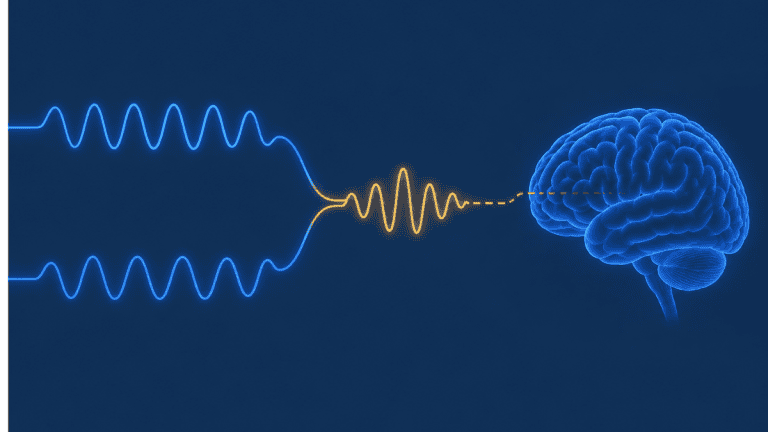
Here’s where honesty tempers the alarm. First, the effect is about light in general, not “blue” as a villain — bright white light suppresses melatonin too, which is why the fix is dimming and timing rather than filtering one colour. Second, dose matters: much of the striking evidence comes from prolonged evening exposure, and shorter bursts of screen use right before bed have not reliably been shown to delay sleep onset in experiments. Third, brightness and timing matter more than most people realise — a dim phone an hour before a normal bedtime is a very different exposure from a bright screen at maximum brightness two hours past it.
And there’s a fourth factor the blue-light story conveniently ignores: what you’re doing on the device. A tense work email, an argument on social media, or a gripping game keeps you awake through arousal and stimulation, not photons. For a lot of people, the reason the phone wrecks their sleep is the content and the lost time, not the wavelength — which is closely tied to how digital distraction pulls at attention. Software “night modes” that warm the screen colour are free and harmless, but trials show they do little to melatonin at normal brightness. They’re not a substitute for turning the brightness down or simply putting the phone away earlier.
What Actually Works
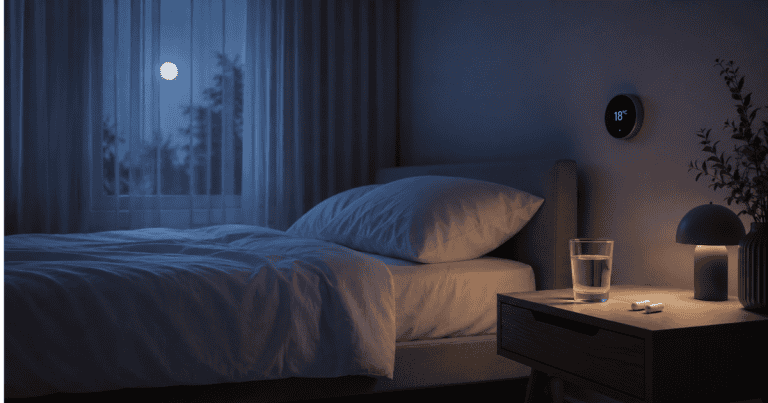
Split it cleanly by the two real problems. For tired eyes: take regular screen breaks (the 20-20-20 rule), blink deliberately, use lubricating drops if you’re dry, and sort out glare, brightness, distance and posture. Skip the glasses — the evidence says they won’t help the strain. For sleep and your body clock: the levers are behavioural and about light in total, not one colour. Dim your screens and your room in the evening, put devices away earlier rather than filtering them, and be honest about whether it’s the light or the doom-scrolling keeping you up.
One underused move works in the opposite direction: get bright light in the morning. Anchoring your clock with daytime light does more for evening sleepiness than any filter, and it’s the piece most people skip. If you enjoy wearing amber glasses in the last hours before bed, there’s little harm in it and possibly a small benefit — but treat it as a minor add-on, not the main event. The honest bottom line is that better sleep comes from dimming, timing and behaviour — the fundamentals — far more than from any gadget aimed at blue light. For a ready-made routine, see our guide to better sleep tonight.
Picture someone with tired eyes by evening and poor sleep, who’s just read a scary article about blue light. Watch how the fear-driven and evidence-driven responses diverge — and which one actually fixes anything.
The fear-driven response: they buy clear blue-light glasses, worry about long-term eye damage, and feel they’ve addressed the problem. But the glasses don’t touch the eye strain (wrong cause), don’t meaningfully change sleep (wrong lever), and the eye-damage worry was unfounded to begin with. Weeks later the eyes still ache at 4 p.m. and sleep is unchanged — money spent, problem intact.
The evidence-driven response: they split the two problems. For the eyes: 20-20-20 breaks, more blinking, a lubricating drop, and fixing glare and screen distance — the strain eases within days. For sleep: they dim the screen and room in the evening, set a device curfew half an hour before bed, and get outside in the morning for bright light. They also notice the real culprit was late-night scrolling, not the wavelength, and cut it.
The contrast is the whole article. The fear-driven path bought a product that matched the marketing but not the mechanisms. The evidence-driven path spent nothing, targeted the actual causes, and worked — because it asked “what’s really going on?” instead of “what do I buy?”
Blue Light and Screens — Evidence Ranked
🟢 Well supported | 🟡 Real but qualified | 🔴 Commonly claimed, not supported
| Claim | Evidence | Basis |
|---|---|---|
| Screen blue light damages your eyes / retina | 🔴 Not supported | Screen blue light ≈ 1/1000 of daylight; scare traces to extreme in-vitro cell studies |
| Blue-light glasses reduce digital eye strain | 🔴 Not supported | 17-trial Cochrane review found no clear benefit; not recommended by ophthalmology bodies |
| Digital eye strain is real (but not from blue light) | 🟢 Real — other cause | Reduced blinking, focusing effort, glare; fixed by breaks (20-20-20) |
| Evening light suppresses melatonin & delays the clock | 🟢 Well supported | Light-emitting device before bed delayed sleep & circadian timing (Chang 2015) |
| Ordinary short evening screen use wrecks everyone’s sleep | 🟡 Overstated | Depends on brightness, duration, timing; short use may not shift onset; content/arousal matters |
| Blue-blockers / night mode transform sleep | 🟡 Weak / minor | Inconclusive for glasses; night mode does little at normal brightness — dimming & timing win |
The NeuroEdge Screen-Light Protocol
Two different problems, two different fixes — behaviour over gadgets. Updated September 2026.
20-20-20, blink deliberately, drops if dry, fix glare and distance. This targets the real cause of strain — not the glasses.
Lower brightness in the evening and put devices away earlier. It’s total light and timing that matter, not filtering one colour.
Get bright light early in the day. Anchoring your clock does more for evening sleepiness than any filter — and most people skip it.
Ask whether it’s the light or the scrolling keeping you up. Often it’s arousal and lost time, not the wavelength — fix that instead.
Peter’s Notes — Blue Light
First-person, n=1 — impressions, not measurements · Updated September 2026
I owned the blue-light glasses. Two pairs, actually — I fully bought the story for a while. Looking back, the most useful thing I ever did for my eyes wasn’t wearing them; it was the unglamorous stuff — taking breaks, fixing my monitor position and glare, remembering to blink. The strain that I’d vaguely blamed on “blue light” turned out to respond to things that had nothing to do with wavelength.
On sleep, my honest experience matches the nuance in the research rather than the marketing. Dimming everything in the evening and getting off my phone earlier makes a noticeable difference; the glasses, when I wore them, didn’t obviously do much on their own. And the biggest culprit for me was never the light at all — it was what I was doing late at night, the stimulating stuff that kept my mind switched on long after the screen was off.
So my takeaway is a small relief and a small redirect. The relief: you can stop worrying that screens are damaging your eyes. The redirect: put the effort into dimming, timing and morning light — and into what you’re actually looking at — rather than into a filter. (These notes are direction-only impressions, not measured results.)
Key Takeaways — Blue Light and Screens
| ✓ | Screens don’t damage your eyes. Screen blue light is about a thousandth of daylight; the retina-damage fear comes from extreme cell studies, not real-world exposure. You can stop worrying about this one. |
| ✓ | Blue-light glasses don’t fix eye strain. A 17-trial Cochrane review found no clear benefit, and eye specialists don’t recommend them. Sleep claims are inconclusive too. |
| ✓ | Eye strain is real — from other causes. Reduced blinking, focusing effort and glare cause it, not blue light. Fix it with breaks (20-20-20), blinking, drops and screen setup. |
| ✓ | The real issue is evening light and sleep. Bright evening light suppresses melatonin and delays your clock (Chang 2015) — but it’s about brightness and timing, not the colour, and content/arousal matters as much as light. |
| ✓ | Behaviour beats gadgets. Dim screens and put devices away earlier, get bright light in the morning, and mind what you’re scrolling. That does far more than any blue-light filter. |
Blue Light and Screens — FAQ
Does blue light from screens damage your eyes?
On current evidence, no. The amount of blue light your eyes receive from a screen is roughly a thousandth of what you get from ordinary daylight, so if screen levels were damaging, being outdoors would be far worse. The macular-degeneration fear traces to laboratory studies that exposed isolated retinal cells to light intensities far higher than any consumer device produces — which doesn’t reflect real-world screen use. Normal screen use is not considered a meaningful threat to eye health.
Do blue-light-blocking glasses actually work?
Not for the main things they’re sold for. A 2023 Cochrane review of 17 randomised trials found blue-light filtering lenses probably make no meaningful difference to eye strain from computer work, and the American Academy of Ophthalmology doesn’t recommend them for digital eye strain. Effects on sleep were inconclusive. The glasses don’t appear to harm you, but if you bought a clear pair expecting relief from tired eyes or dramatically better sleep, that expectation isn’t supported by good evidence.
Then why do my eyes feel strained after screens?
Digital eye strain is real, but it isn’t caused by blue light. When you focus on a screen you blink far less, which dries the eyes, your focusing muscles stay tense for long periods, and glare, poor lighting, screen distance and posture add to the load. The effective fixes address those causes: the 20-20-20 rule (every 20 minutes, look about 20 feet away for 20 seconds), deliberate blinking, lubricating drops, and sorting out glare, brightness and distance. Tinted lenses target a cause that isn’t the problem.
Does blue light really disrupt sleep?
This is the legitimate concern — with nuance. Bright, blue-enriched light in the evening does suppress melatonin and can delay your body clock; in one controlled study, reading on a light-emitting device before bed delayed sleep and shifted circadian timing versus a printed book (Chang et al. 2015). But the effect is about light in general, not the colour specifically — bright white light does it too — and it depends on brightness, duration and timing. Short, dim evening use matters less than prolonged bright exposure, and stimulating content keeps you awake through arousal, not photons.
What’s the best way to protect my sleep from screens?
Behaviour, not gadgets. Dim your screens and your room in the evening, put devices away earlier rather than relying on filters, and get bright light in the morning to anchor your body clock — that last step does more for evening sleepiness than any blue-light product. Be honest about whether it’s the light or late-night scrolling keeping you up, since content and lost time are often the real culprits. Software night modes are free and harmless but do little at normal brightness; they’re no substitute for turning the brightness down and putting the phone away.
Get “7 Days to a Sharper Brain” — Free
Peter Benson’s personal daily protocol, rebuilt from 18 years of testing
Seven evidence-based interventions, in the exact order that makes each one more effective — from sleep foundation to neuroplasticity and Lion’s Mane.
Join 2,000+ readers optimising their cognitive performance. Unsubscribe anytime.
Scientific References
- Singh S, Keller PR, Busija L, McMillan P, Makrai E, Lawrenson JG, Hull CC, Downie LE. (2023). Blue-light filtering spectacle lenses for visual performance, sleep, and macular health in adults. Cochrane Database of Systematic Reviews, Issue 8:CD013244. DOI: 10.1002/14651858.CD013244.pub2
- Chang AM, Aeschbach D, Duffy JF, Czeisler CA. (2015). Evening use of light-emitting eReaders negatively affects sleep, circadian timing, and next-morning alertness. Proceedings of the National Academy of Sciences, 112(4):1232–1237. DOI: 10.1073/pnas.1418490112
- Münch M, Kobialka S, Steiner R, Oelhafen P, Wirz-Justice A, Cajochen C. (2006). Wavelength-dependent effects of evening light exposure on sleep architecture and sleep EEG power density in men. American Journal of Physiology — Regulatory, Integrative and Comparative Physiology, 290(5):R1421–R1428. DOI: 10.1152/ajpregu.00478.2005

Peter Benson
Cognitive Enhancement Researcher | 18+ Years Independent Research
Peter has spent 18+ years separating genuine cognitive science from wellness marketing. He writes about blue light the way the evidence demands — defusing the eye-damage fear and the glasses hype, while taking the real circadian effect of evening light seriously.
Last reviewed: September 2026 | Educational content only. Not medical advice.